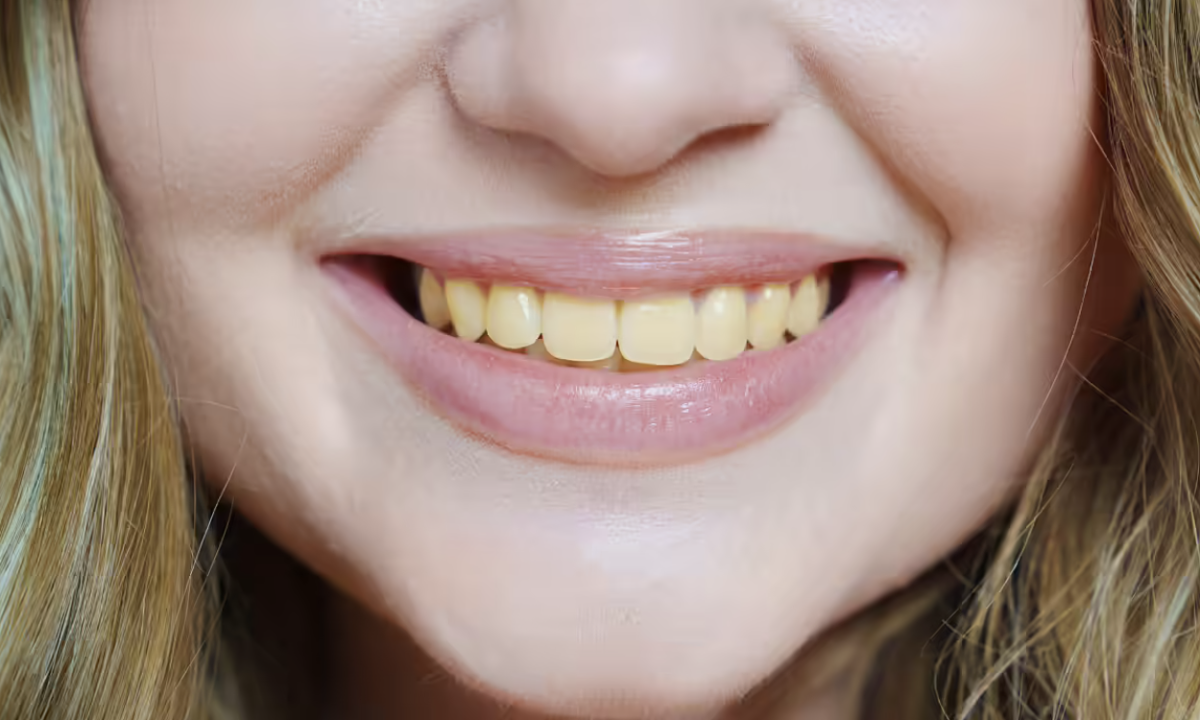
Teeth color changes are not only caused by poor hygiene, but are sometimes also an early sign of underlying health problems.
Teeth perform many important functions such as crushing food, creating aesthetics for the face and even “speaking” when the body has problems. Paying attention to changes on tooth surfaces helps detect diseases promptly, before they get worse.
Tooth color changes
Teeth turn yellow
When teeth turn yellow, many people often think about drinking coffee, tea or smoking. However, worn tooth enamel is what causes the yellow dentin layer underneath to become visible. This phenomenon
According to medicine, yellow teeth sometimes reflect liver problems. A study on Science Direct shows that increased bilirubin levels can yellow teeth, gums and even skin. Besides, uncontrolled weight causes harmful bacteria to multiply, creating conditions for plaque to form and causing teeth to become discolored.
Yellow teeth are linked to nutritional deficiencies, an acidic diet and teeth grinding. Image: Times of India
Gray, dark teeth
Teeth turning grey, brown or dark are not only due to damage or decay but are also related to problems within the body. Some serious cases stem from exposure to heavy metals such as lead and mercury, which hinder tooth enamel development.
Chronic diseases affect the reabsorption of minerals, especially in the kidneys, reducing blood calcium and causing teeth to darken. Sudden changes in tooth color should be closely monitored because they may be a sign of a systemic disorder.
Teeth appear white spots
White streaks or chalky spots on teeth originate from enamel hypoplasia – a condition in which tooth enamel is not fully formed. Vitamin A, D, calcium, and fluoride deficiencies are contributing factors. Over time, this condition increases the risk of celiac disease and reduces the ability to absorb nutrients.
Changes in tooth color and overall health
Teeth reflect many different health problems. For example, in people with diabetes, high blood sugar can easily form plaque and gum disease. A study by the US National Institutes of Health found that up to 95% of obese people had poor oral health, showing a close connection between metabolism and dental health.
Kidney disease also significantly affects the color and durability of teeth. Mineral balance disorders weaken tooth enamel, making teeth darker. Studies show that people with chronic kidney disease are more likely to have dental problems than normal people.
Additionally, vitamin B12 deficiency can cause tooth discoloration and gingivitis. The US National Institutes of Health said that B12 deficiency increases the risk of dental diseases, emphasizing the important role of nutrition in enhancing tooth and gum health.
How to care for and protect your teeth
Proper brushing, flossing and regular dental visits are the foundation of maintaining a healthy mouth. Limiting sugar, tobacco, and foods high in acid, while maintaining a balanced diet will help reduce the risk of tooth discoloration and protect overall health.
Learning to listen to the signals from your teeth is very important, because every change, no matter how small, can contain a message about the body’s condition. Teeth not only bring a confident smile, but also reflect your own health.