Creatinine, eGFR, cystatin C, urine dipstick and UPCR tests help detect kidney problems early.
Kidney diseases are increasing significantly. A recent study in the journal The Lancet shows that the number of people with kidney disease has skyrocketed, from 78 million in 1990 to 788 million in 2023. Chronic kidney disease is now the 9th leading cause of death in the world.
Keeping your kidneys healthy is extremely important, and some simple tests can reveal the health of your kidneys.
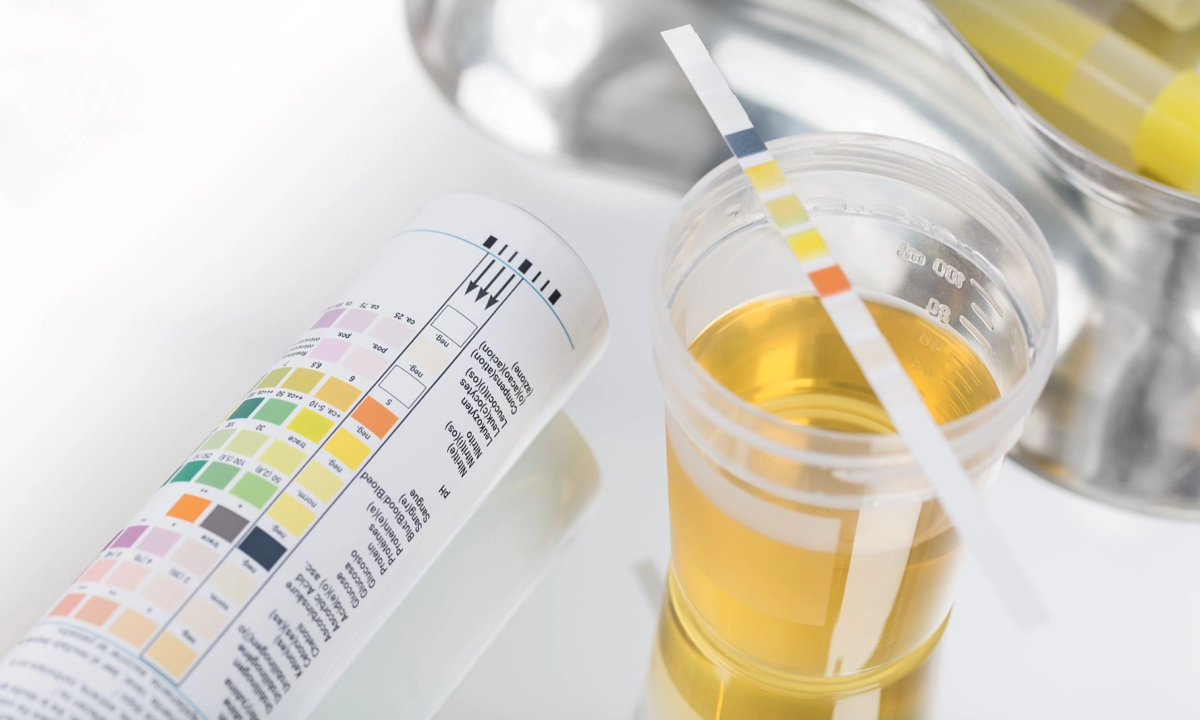
A urinalysis dipstick test helps evaluate the concentration of protein and blood in the urine. Image: Very Well Health
In a video shared on Instagram, Dr. Arjun Sabharwal, a nephrologist trained at DY Patil Medical School (Mumbai) and the Royal College of Physicians, UK, highlighted tests that can help rule out kidney disease.
Remember, early diagnosis can improve treatment options and their outcomes. Even if you feel healthy, periodically performing these tests can help detect “silent” kidney problems before they progress.
Creatinine and eGFR blood test
The kidneys have the function of filtering waste from the blood. The easiest way to estimate how well your kidneys are working is through blood creatinine and eGFR tests.
eGFR (estimated glomerular filtration rate) indicates how well your kidneys are working, Dr. Sabharwal explains. eGFR provides a percentage of your kidney function.
Cystatin C test
Cystatin C is a protein made by cells in the body. According to the National Kidney Foundation, when the kidneys function well, cystatin C levels in the blood will be normal. However, when the kidneys have problems, cystatin C levels will increase.
“If you exercise, take supplements, have a lot of muscle, or use creatinine, the creatinine reading can be skewed. That’s where Cystatin C can provide a more accurate measure of kidney health,” the doctor said.
Urine Dipstick Test
Before kidney function begins to decline, the body will give signs. This may manifest itself as protein leakage into the urine. A simple urine dipstick test can detect this leak.
This test is very quick. The health care provider will place a strip of chemically treated paper, called a dipstick, into the urine sample. The dipstick will change color if albumin (a type of protein) appears in the urine.
Urinary Protein/Creatinine Ratio (UPCR)
According to nephrologists, the urinary protein/creatinine ratio (UPCR) test looks at the amount of protein leaking from the kidneys into the urine. Higher-than-average levels may be a sign of a kidney-related problem. This test is performed by collecting a urine sample and then analyzing the protein to creatinine ratio.
If UPCR is increased, creatinine is increased, or there is blood in the urine dipstick, see a nephrologist. “Diet, turmeric milk, detoxification and home remedies will no longer be effective in this case,” Dr. Sabharwal emphasized.