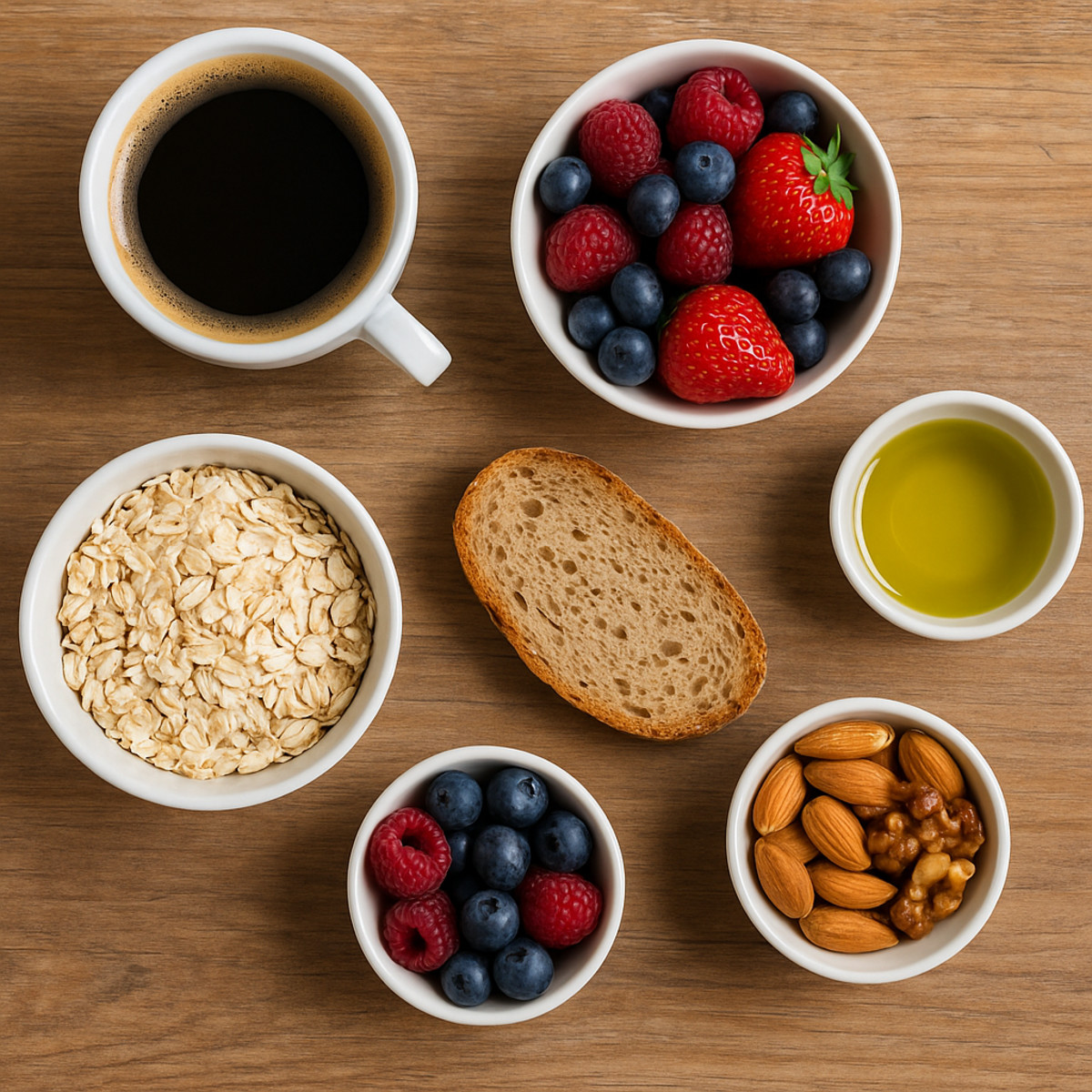
A new study from King’s College London found that some of the most common foods on the daily menu – tea, coffee, berries, nuts, cocoa, whole grains and olive oil – may contribute significantly to heart health. The reason: they are rich in polyphenols, natural substances that studies attribute to having a beneficial effect on the heart, brain and digestive system.
More than 3,100 adults in Great Britain participated in the study, who were followed for 11 years. The researchers regularly checked their blood pressure, cholesterol levels and risk indicators such as ASCVD and HeartScore, and also monitored through urine tests the levels of the breakdown products of polyphenols – that is, how many foods rich in polyphenols they really ate over time.
As the levels of metabolites of polyphenols in the urine increased, an improvement in heart risk indicators was seen: blood pressure and “bad” cholesterol decreased, and the levels of “good” cholesterol (HDL) increased. In simple words: those who regularly put more polyphenols in their plate – it seems that their cardiovascular system behaved better over the years.
According to the researchers, the benefit of polyphenols does not come alone. Foods like tea, coffee, berries, nuts, olive oil and whole grains come as part of a healthier overall diet – one that also contains fiber, good fats, vitamins and minerals. This combination probably explains why those who remain loyal over the years to a diet rich in polyphenols enjoy a slower increase in the risk of heart disease.
Despite the encouraging findings, the researchers emphasize that the study is an observational study: it shows a link between a diet rich in polyphenols and better heart indices, but does not prove cause and effect. It’s possible that people who eat more of these foods also exercise more, smoke less or maintain a healthy lifestyle in general – all of which contribute to the result.
Still, there is a very simple practical message here: polyphenols are found in readily available and relatively cheap foods, and do not require expensive supplements or “miracle diets”. A cup of tea or coffee, a plate of oatmeal with berries, yogurt with a few nuts, wholemeal bread toast with olive oil – these are all everyday examples that can, over time, help the heart work in better conditions.
The researchers also emphasize that the goal is not to “flood” the body with polyphenols, but to incorporate them as part of a balanced menu that contains a lot of plant foods, a little processed food, and high-quality fats such as olive oil and nuts. A small but permanent change in eating habits – such as replacing some sweet snacks with fruits or nuts, or choosing more whole grains – may, according to the findings, contribute to cumulative protection of the heart over the years.
In the end, the message from the British study is simple: it is impossible to stop time or completely eliminate the risk of heart disease, but a diet rich in polyphenols can be one of the most accessible ways to slow down the rate of increase in this risk, and make the daily plate an important tool in maintaining health.
https://bonza.chat/ai-gaming-companion
https://plinko.ucoz.net
https://vk.com/ru_casino_admiral
https://vk.com/casino.bollywood
https://vk.com/ru.casino.champion
https://aviator.ucoz.net
https://vk.com/spin.city.casino
https://vk.com/azino777.casino
https://vk.com/ru_friends_casino
https://vk.com/zerkalo_x_casino
https://turbo-casino.ucoz.net
https://oscarspin-norway.com
https://oscarspin-norway.com/apk
https://oscarspin-norway.com/app
https://oscarspin-norway.com/bonus
https://oscarspin-norway.com/casino
https://oscarspin-norway.com/deposit
https://oscarspin-norway.com/download
https://oscarspin-norway.com/faq
https://oscarspin-norway.com/legal
https://oscarspin-norway.com/login
https://oscarspin-norway.com/mirror
https://oscarspin-norway.com/mobile
https://oscarspin-norway.com/payments
https://oscarspin-norway.com/problems