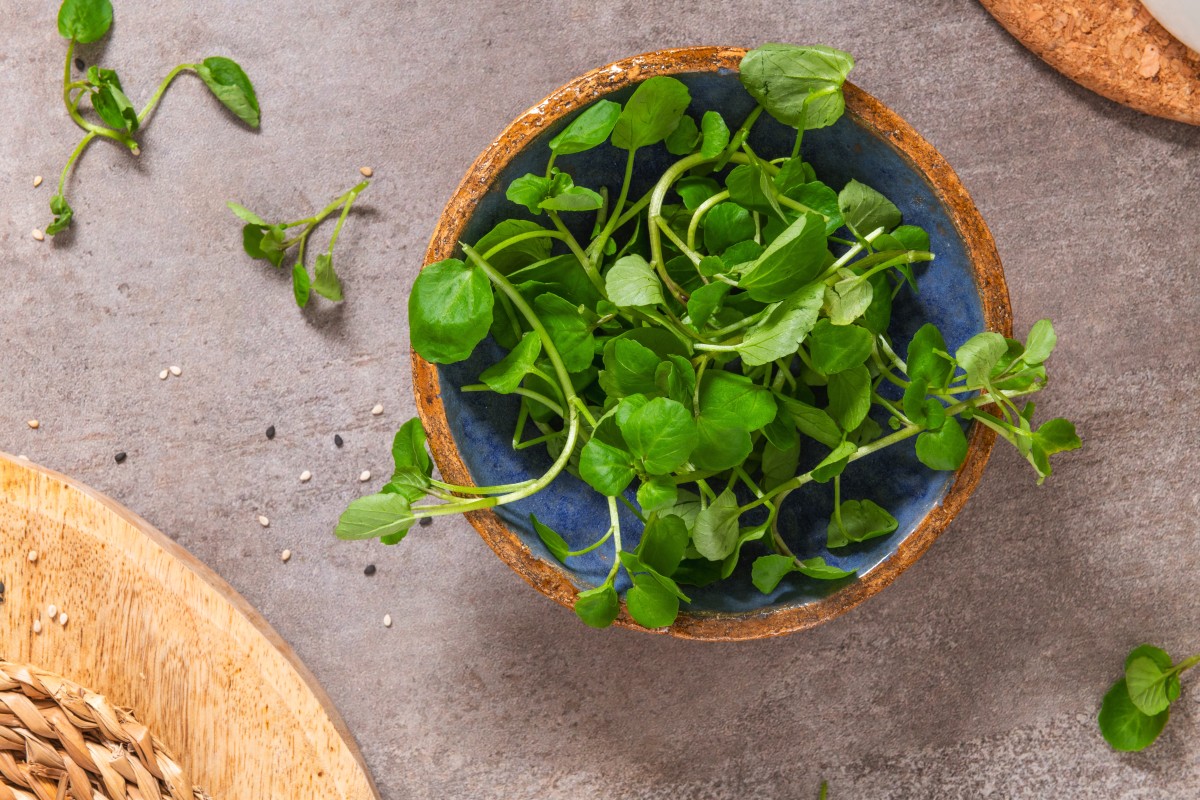
If you walk around the market or supermarket, you will find plenty of leafy vegetables, legumes and cruciferous vegetables. But according to a nutritional rating by the US Center for Disease Control (CDC), there is one vegetable that is considered the healthiest of all.
The CDC published a list of 41 fruits and vegetables that were defined as “Powerhouse” – that is, they have an extremely high nutritional density. Each of them received a score ranging from 10.47 to 100, depending on the content of vitamins, minerals and overall health contribution. At the top of the list is the watercress, which received a perfect score of 100. For comparison, the vegetable that received the lowest score in the ranking was the sweet potato, with a score of 10.51. In the field of fruits, the tomato was crowned as the healthiest, but gained a significantly lower score – 20.37.
According to clinical dietician Scott Keatley, watercress is considered a “nutritional bomb” because it provides a wide variety of essential components, with almost no calories. One cup of watercress contains only four calories, but provides more than 100% of the recommended daily intake of vitamin K, which is essential for bone health and proper blood clotting.
In addition, watercress contains about 17% of the daily intake of vitamin C, which supports the immune system and skin health, and about 6% of vitamin A, which is important for vision and the immune system. It is also rich in phytochemicals and antioxidants, which according to research may help reduce the risk of various diseases, including certain types of cancer, as well as contribute to eye health.
In the CDC ranking, other vegetables that came close to the top are Chinese cabbage, which ranked second with a score of 91.99, and Swiss chard, which ranked third with a score of 89.27. According to Keatley, all three provide a particularly high nutritional contribution, and the choice between them can also be based on personal taste and dietary habits. Chinese cabbage, for example, is rich in vitamins C and K and also contains folic acid, which is essential for cell formation and DNA repair. On the other hand, Swiss chard provides high amounts of vitamins A, C and K, along with antioxidants that support heart and eye health.
As for the recommended amount, there is no binding guideline for daily consumption of watercress. However, Kitley suggests incorporating one cup of it into meals three to four times a week, as part of a varied diet. It can be added to salads, soups, sandwiches or as a simple side dish with olive oil and a little lemon.
At the same time, due to the high vitamin K content, people taking blood thinners are requested to ensure consistent consumption and not to sharply change the amount in the menu, and to consult a doctor if necessary. Bottom line, the CDC ranking places watercress at the top of the list of healthy vegetables, but experts emphasize that a balanced and varied diet, which includes a combination of different vegetables and fruits, is the key to a healthy diet over time.
https://alatheerfm.com/
https://www.aleranking.pl/gabinety-stomatologiczne/krzysztof-gebczynski-gabinet-stomatologiczny-1458585
https://www.afrika-orient-bonn.de/
https://cityherald.in/
http://www.cottonlinx.com/
https://artaxsolution.com/
https://log4consult.de/
https://www.beijixingtravel.com/author/bjx/
https://www.bitex-international.com/
https://goldenhousearts.com/
https://akarbook.com/
https://www.masternoodledinkytown.com/
https://iringmulyo.kartakomet.com/
https://ciptaragamtalenta.com/category/uncategorized/
https://elliots.in/category/uncategorized/
https://goldendreamsdecor.com/
https://scprojectsllc.com/
https://mdiafrica.org/
https://monclerjacketsoutletstore2016.com/
https://cash123.org/
https://pormikijabar.org/
https://ashirwadchildrenhospital.in/
https://padangkota.com/
https://cueee.jp/
https://semarangkab.com/