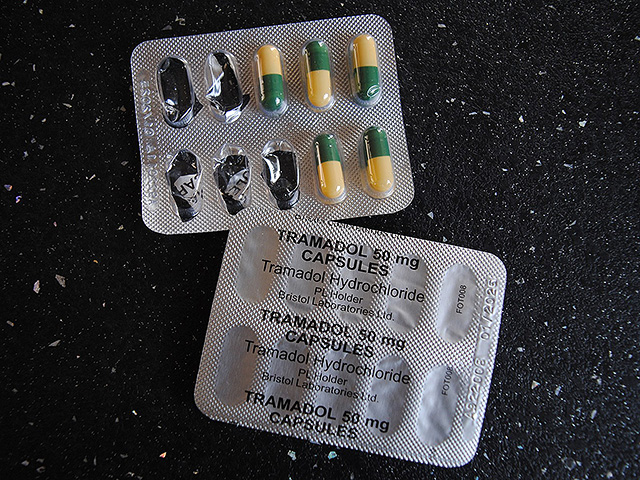
An extensive analysis of already published studies has found that tramadol, a powerful opioid painkiller often prescribed for chronic pain, provides only limited relief in practice. According to a review published in the journal BMJ Evidence Based Medicine, the drug does reduce pain, but the degree of improvement is too small to be considered clinically significant.
In addition, the results indicate an increased risk of serious side effects, including those related to the heart. The researchers conclude that the potential harms of tramadol probably outweigh its benefits, so use of the drug should be limited as much as possible.
Tramadol is a dual-action opioid that doctors widely prescribe for moderate to severe pain, both acute and chronic. As a result, it is included in many clinical guidelines for the treatment of pain. Tramadol prescriptions have increased markedly in recent years, making it one of the most commonly used opioids in the United States. According to the authors, this is facilitated by the perception that tramadol is safer, has fewer side effects and is less likely to cause addiction compared to other short-acting opioids.
Although previous reviews have looked at tramadol, none have provided a complete picture of its effectiveness and safety for various forms of chronic pain, leaving many questions unanswered. To fill this gap, the researchers analyzed randomized clinical trials published up to February 2025 that compared tramadol with placebo in patients with chronic pain, including cancer-related pain.
The final analysis included 19 studies with 6,506 participants. Five studies focused on neuropathic pain, nine on osteoarthritis, four on chronic low back pain, and one on fibromyalgia. The average age of participants was 58 years (range 47 to 69). Most studies looked at tablets, with only one study using a topical cream. Treatment courses lasted from 2 to 16 weeks, and observation lasted from 3 to 15 weeks. Pooled analysis of the data showed that tramadol does reduce pain intensity, but the improvement is minimal and does not reach the threshold at which it can be considered clinically significant.
Eight studies tracked serious side effects over 7 to 16 weeks. They found that taking tramadol approximately doubled the risk of harmful effects compared with placebo – mainly due to an increase in cardiovascular complications, including chest pain, coronary heart disease and congestive heart failure.
There has also been an association between tramadol and an increased risk of certain types of cancer, but the researchers stress that the short follow-up period does not allow reliable conclusions to be drawn.
In all studies, the drug more often caused mild adverse reactions – nausea, dizziness, constipation and drowsiness. The authors acknowledge that much of the results are at high risk of bias. In their opinion, this most likely means that the real benefits of tramadol are overestimated, and the possible harm is underestimated.