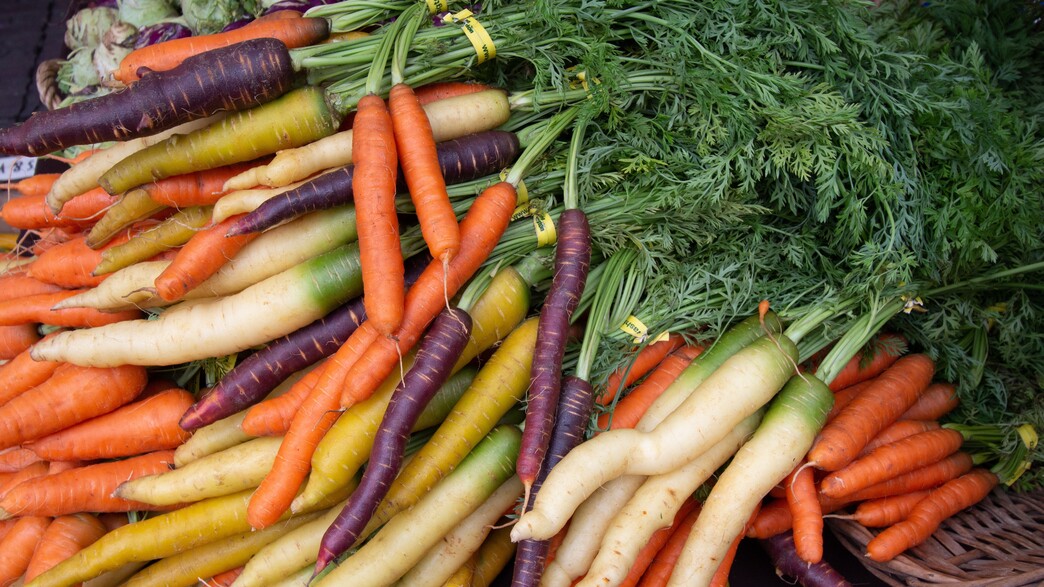
Anyone who has visited Europe must have come across a special root vegetable – parsnip. It looks like a white carrot, but it tastes sweet. Despite the similar shape, the nutritional components and health benefits of the two are very different.
The health benefits of the white carrot (parsnip)
In the distant past, it was customary to use parsnip for a variety of medical conditions, from headaches and fever to diseases such as dermatitis, eye inflammation, and mouth inflammation. It was also used as a laxative, diuretic and to treat frostbite.
Parsnip is more similar in composition to root vegetables such as potatoes and sweet potatoes. It contains twice as many carbohydrates and calories as carrots, but also more fiber, potassium and twice as much folic acid. It contains psoralen, a compound from the furocoumarin family that increases the skin’s sensitivity to light, and is used to treat a variety of skin diseases, such as eczema, psoriasis and vitiligo.
It also contains antioxidants that help respiratory health and reduce inflammation indicators, and improve the function of the immune system and prevent infections. It contains about 20% of the daily intake of vitamin C, and may shorten the duration of flu and colds in the winter season.
The health benefits of the orange carrot
The orange carrot, on the other hand, contains a very large amount of beta-carotene, which turns into vitamin A in the body Which generally does not exist in Presnip. One carrot provides about 110% of the recommended daily intake of this vitamin.
The carrot is known for its contribution to eye health, thanks to the large amount of beta carotene in it, and it helps prevent macular degeneration (a common eye disease in old age). A lack of it can even cause night blindness. In addition, studies have found that the beta carotene in carrots may reduce the chance of getting certain types of cancer, such as colon cancer. Carrots also contain lycopene, which may reduce the chance of heart disease and even protect against other types of cancer such as stomach, prostate, lung and breast.
The potassium in carrots helps lower blood pressure by eliminating sodium and excess fluids.
Thanks to the content of beta-carotene, vitamin E, vitamin C and zinc that it contains, the carrot can improve cognitive function and improve brain health. Purple carrots also have anthocyanins, which may protect against neurodegenerative diseases such as Alzheimer’s and Parkinson’s by reducing oxidative stress and inflammation.
Which one is healthier?
These are two nutritious root vegetables that can be integrated into a balanced diet. They are particularly suitable for roasting in the oven or as an addition to soups and stews. Unlike most vegetables that contain vitamins that are destroyed by cooking, the beta-carotene in carrots becomes more available to the body after cooking. Parsnips become sweeter when baked or cooked, andEspecially delicious in the form of chips in the oven.
In terms of mineral and vitamin content – each of them has its own benefits, so it is recommended to consume both. In terms of nutritional value – the parsnip contains a larger amount of carbohydrates and a higher glycemic index, so if you are interested in reducing carbohydrates or you suffer from diabetes – it should be treated as a carbohydrate portion, unlike carrots.
Who is not recommended to consume these carrots?
Both vegetables are rich in potassium. Therefore, those who suffer from kidney diseases with hyperkalemia (high potassium in the blood) should especially avoid the parsnip, which contains a higher amount of potassium. People who are allergic to wormwood and birch should limit their consumption of carrots, which contain similar proteins that can cause an allergic reaction.
Nega Persman Tal, clinical dietitian of Klalit in the Haifa and Western Galilee district