Children should eat oranges, tangerines, apples, kiwis, and bananas to supplement natural vitamins and minerals and increase resistance during the cold season.
MSc. Le Thi Hong Hue, Department of Pediatrics, Tam Anh General Clinic, District 7, said that the cold season is the time when viruses that cause respiratory diseases such as flu, measles, hand, foot and mouth disease… easily break out. Children’s immune systems often decline when the temperature drops. Increasing fruit in your daily diet helps supplement essential micronutrients and stimulates the body to produce white blood cells – an important factor in identifying and destroying pathogens.
Orange, tangerine
Citrus fruits are rich in vitamin C, which helps increase white blood cell production, aids in healing tissue damage, and maintains the health of mucous membranes in the nose and throat. If your child is coughing, avoid drinking orange juice on an empty stomach or if it is too sour, and limit use in the evening to avoid throat irritation. Parents boil tangerines with rock sugar to soothe children’s throats and reduce coughs. Antioxidants in fruits such as vitamin C also neutralize free radicals, protect respiratory mucosa cells, and strengthen children’s natural immune barrier.
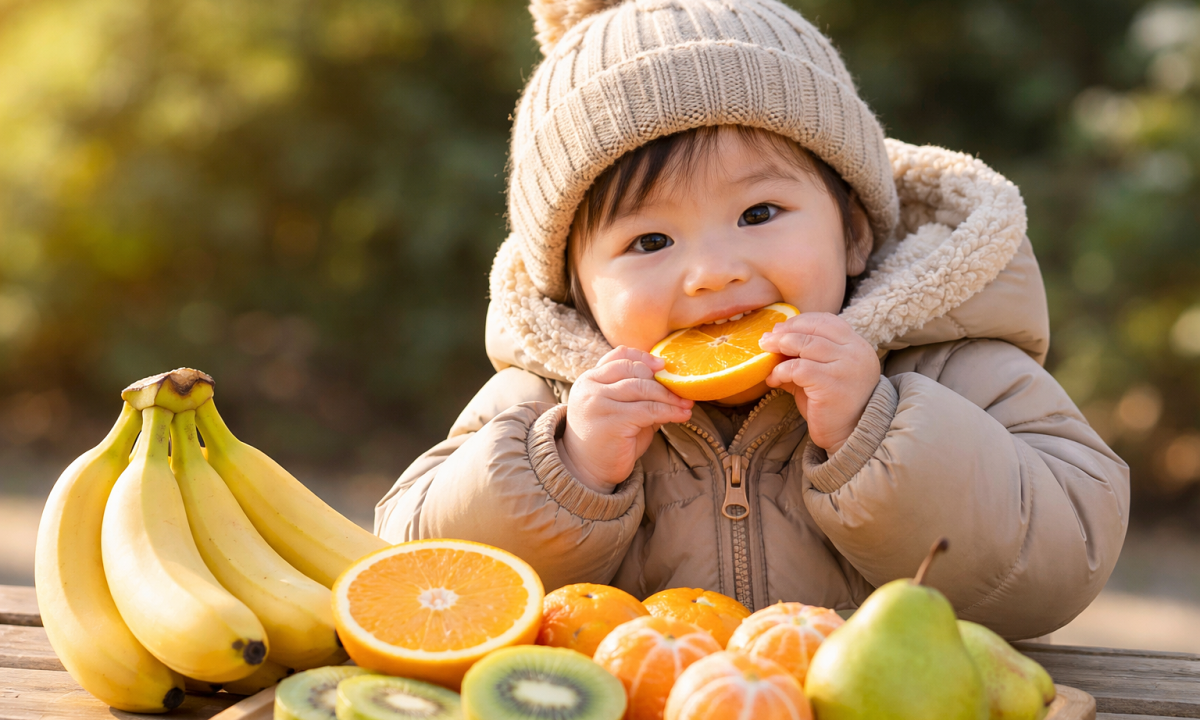
Children should eat a lot of fruit in the cold season to strengthen the immune system. Illustration created by AI
But
According to Oriental medicine, pears have cooling properties, laxative effects, eliminate phlegm, and reduce coughs. Pears contain a lot of water and fiber, helping to rehydrate effectively in dry weather. Pears steamed with rock sugar or steamed with honey (for children over one year old) are a benign folk remedy that supports breathing. However, parents should not let children eat pears when they have diarrhea because it can make the condition worse.
Apple
This fruit contains a lot of quercetin – a powerful antioxidant that protects lung cells from the effects of cold air, fine dust, and inflammatory factors. Fiber in apples (especially pectin) helps increase bowel movements and reduce constipation. Apple peels contain many nutrients, but you should wash them thoroughly or soak them in salt water before feeding them to children to remove pesticide residues.
Kiwi
This food has a vitamin C content two times higher than oranges. Kiwi also contains vitamin E, potassium, polyphenols, actinidin enzyme, which supports digestion and strengthens the immune system. Eating kiwi regularly can reduce the incidence of upper respiratory infections in young children.
Banana
Bananas are rich in energy, easy to digest, suitable for children on cold days, when the need for heat increases. Bananas contain vitamin B6 to support the production of antibodies, and rich potassium content regulates blood pressure and reduces fatigue. Parents should not feed their children bananas when they are hungry or when they are coughing with phlegm because it can cause increased mucus secretion, making the baby’s throat uncomfortable.
Dr. Hue noted that children should not be fed fruit directly from the refrigerator because it can easily damage the throat mucosa, causing sore throat or cough. The best time to eat fruit is between two main meals (about 10:00 or 15:00) to help the body absorb vitamins well. Limit feeding your child in the evening to avoid affecting sleep or causing indigestion. Parents should choose fresh fruit, wash it, and store it properly.
In the cold season, air humidity often decreases, easily causing children to become dehydrated through their breath and skin. Fruit provides water and natural sugar to help children maintain energy, support metabolism, and keep the body warm.