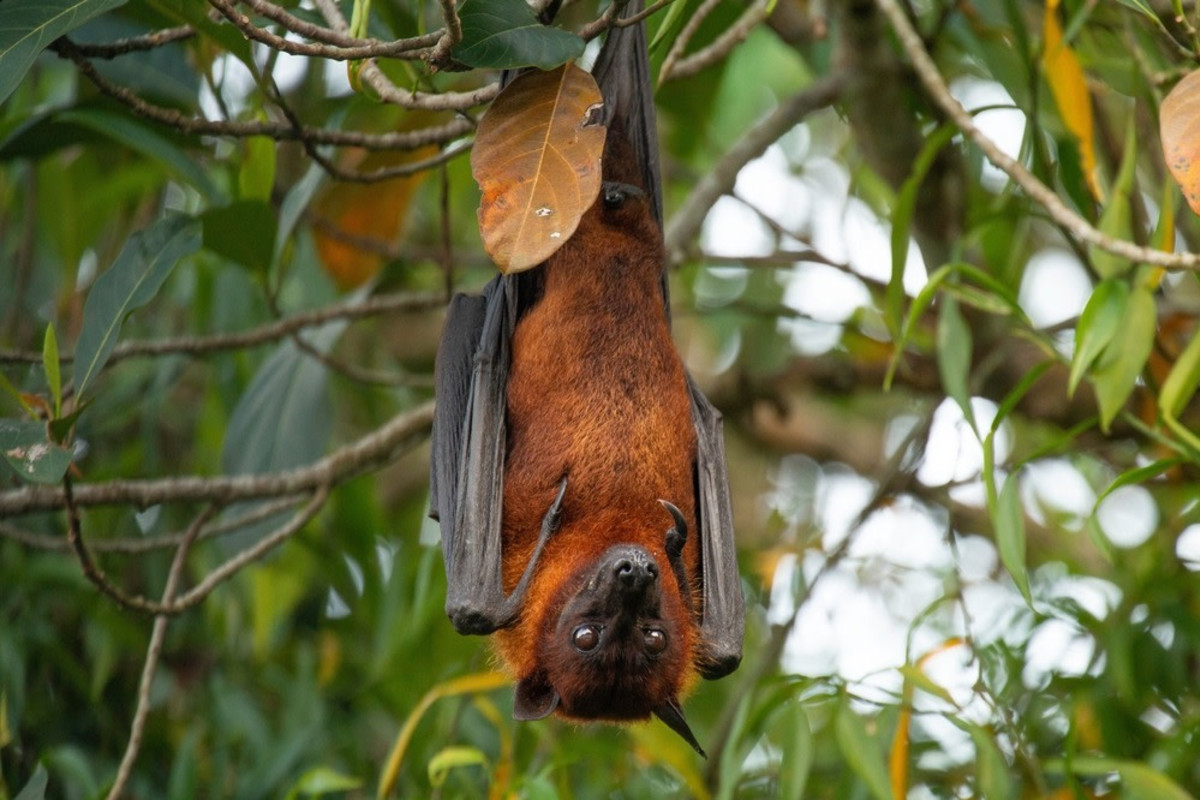
Nipah virus is a zoonotic virus, meaning a virus that passes from animals to humans. Its natural reservoir is fruit bats, also known as flying foxes, and it can be transmitted to humans through direct contact with infected animals, mainly bats and pigs, or through food and drinks contaminated with their secretions. In some areas of South Asia, outbreaks have been documented linked to drinking raw date juice, collected from date trees frequented by bats.
After the transition to humans, the virus may also be passed from person to person, mainly through close contact and exposure to body secretions. For this reason, local outbreaks require isolation of patients, close monitoring of contacts, and adherence to protective measures for medical personnel. However, so far no cases have been reported outside India in the current outbreak.
Nipah virus was first identified in 1999 in Malaysia, where a large outbreak among pig farmers killed more than a hundred people. Since then, outbreaks have been reported almost every year, mainly in Bangladesh and India. Studies indicate a clear seasonal pattern in some areas, with an increase in the number of cases between December and April, a period that coincides with the date juice collection season. Individual cases have also been recorded in other Asian countries, such as the Philippines and Singapore.
The current outbreak in West Bengal is considered unusual mainly because it is an area where no cases of Nipah have been reported since 2007. Public health experts point out that the return of the virus after many years requires the strengthening of monitoring and surveillance systems, along with raising awareness among the medical teams and the population.
The disease itself usually begins within days of infection. The first symptoms include fever, headache, muscle aches, cough and difficulty breathing. In many cases, the disease worsens rapidly and involves the central nervous system. Patients may develop acute encephalitis, which is manifested by confusion, loss of consciousness, convulsions and often leads to death. Even among survivors, long-term complications have been documented, including seizure disorders and permanent neurological damage.
The death rate from the Nipah virus is considered particularly high and ranges, according to data from the American Center for Disease Control, between 40% and 70%. As of today, there is no specific drug treatment for the virus and there is no vaccine approved for use in humans. The treatment of patients is based on supportive care only, which includes hospitalization in advanced units, ventilation if necessary, and close monitoring of respiratory and neurological function.
Already in 2018, the World Health Organization defined the Nipah virus as a disease generator (pathogen) with the highest priority for research and development, due to its epidemic potential and the lack of therapeutic tools. In recent years, studies have been conducted to develop vaccines and monoclonal antibodies, and some of them are in the early stages of trials, but are not yet available for clinical use.
In the absence of preventive or curative treatment, the main emphasis is on prevention. The World Health Organization recommends reducing exposure of bats to food and beverage collection sites, boiling date juice before drinking, and planning pig farms taking into account their proximity to bat populations. At the same time, outbreaks are treated through isolation, epidemiological investigation and strict contact tracing.
Although it is a deadly and alarming virus, experts emphasize that the risk to the general public outside the outbreak areas remains low. However, the current case, in the shadow of the corona epidemic we have been through, reminds us how zoonotic diseases can reappear, and how important a well-prepared health system, continuous monitoring and international cooperation are in identifying and containing emerging biological threats.