Scientists from Baylor College of Medicine and the Duncan Neurological Research Institute at Texas Children’s Hospital have discovered a sequence of biological processes that links human genetic makeup, lipid disorders and the development of Parkinson’s disease. The work, published in the journal Brain, holds promise for identifying people at increased risk of the disease before symptoms appear and for developing treatments aimed at preventing the disease, rather than just alleviating its symptoms.
It was previously known that many genes that increase the likelihood of Parkinson’s disease are involved in the regulation of lipid metabolism. It has also been suggested that lipid malfunctions may directly contribute to changes in the brain that underlie the development and progression of the disease.
The researchers focused on the SPTSSB gene, which is involved in the early stages of sphingolipid synthesis. Of particular interest was its variant rs1450522, which is associated with a modest increase in the risk of Parkinson’s disease.
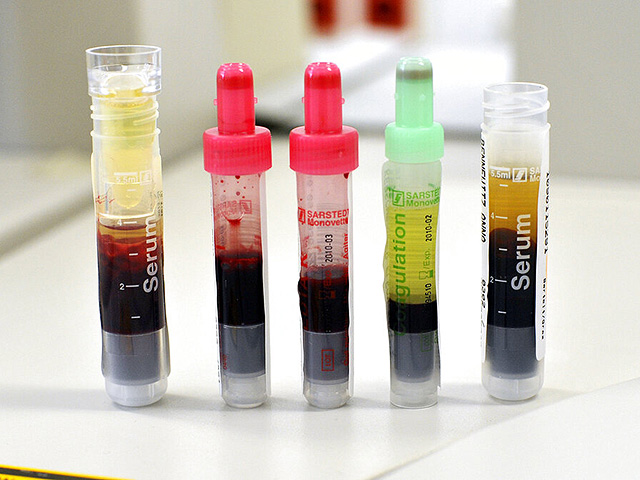
To further understand the mechanism of this connection, scientists analyzed metabolites – metabolic products – in the blood of 149 patients with Parkinson’s disease and 150 healthy people. The results were then confirmed on a large data set including thousands of participants.
A statistical model developed on the basis of these data showed that the rs1450522 variant of the SPTSSB gene is associated with increased production of the protein of the same name and changes in lipid metabolism, which together increase the risk of developing the disease. For the first time, convincing evidence has been obtained that such a chain – from a genetic variant to disorders of lipid metabolism – may play a causal role in the occurrence of Parkinson’s disease.
Although the detected changes in lipid composition were minor, the researchers consider them important because they help understand the mechanism that triggers the disease. According to the leader of the work, understanding exactly how lipid changes lead to Parkinson’s disease may help create methods that can prevent or delay its manifestation.
Work in this direction is ongoing, as the results could lead to the development of simple blood tests for early detection of disease risk.
https://vulkan-vegas101.pl/privacy-policy/
https://vulkan-vegas101.pl/terms-and-conditions/
https://vulkan-vegas101.pl/responsible-gaming/
https://vulkan-vegas101.pl/login/
https://vulkan-vegas101.pl/bonus/
https://vulkan-vegas101.pl/sign-up/
https://vulkan-vegas101.pl/slots/
https://vulkan-vegas101.pl/app/
https://vulkan-vegas101.pl/games/
https://vulkan-vegas101.pl/faq/
https://vulkan-vegas101.pl/links/
https://vulkan-vegas-77.pl/index.php/contact-us/
https://vulkan-vegas-77.pl/slots/
https://vulkan-vegas-77.pl/games/
https://vulkan-vegas-77.pl/faq/
https://vulkan-vegas-77.pl/links/
https://vulkan-vegas-651.pl/privacy-policy/
https://vulkan-vegas-651.pl/responsible-gaming/
https://vulkan-vegas-651.pl/sign-up/
https://vulkan-vegas-651.pl/games/
https://vulkan-vegas-651.pl/links/
https://vulkan-vegas-651.pl/faq/
https://vulkan-vegas91.pl/bonus/
https://vulkan-vegas91.pl/odpowiedzialnej-grze/