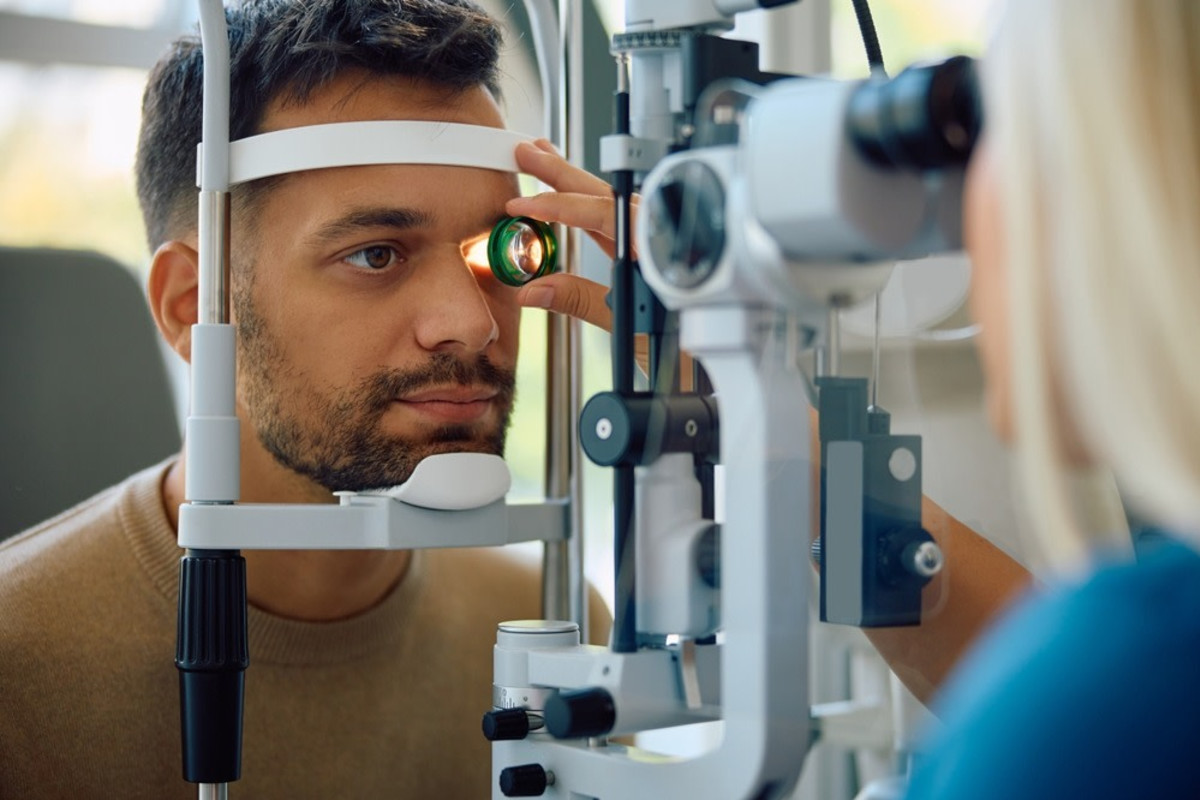
Age-related macular degeneration, or AMD, damages the macula, the central area of the retina responsible for sharp and detailed vision. The disease is especially common over the age of 60 and can lead to severe damage to the central vision, making it difficult to read, drive and recognize faces. Despite its prevalence, treatment options in the early stages are limited, and in most cases there is no treatment that prevents the progression of the disease.
In the current study, retinal photographs of approximately 2,000 people with diabetes, who underwent routine screening tests for eye complications over five years, were examined. The researchers assessed in each photograph whether there were signs of macular degeneration and what the degree of severity was, and then compared patients who took metformin and those who did not take the drug.
The findings showed that among those aged 55 and over, those who took metformin had a 37% lower risk of developing intermediate grade macular degeneration during the five years of follow-up. The researchers corrected the data for factors that may affect the result, such as age, gender and duration of diabetes, in an attempt to reduce possible biases.
The head of the research team, an ophthalmologist from the University of Liverpool, stated in the institution’s announcement that most of those suffering from macular degeneration do not benefit from effective treatment in the intermediate stage of the disease, therefore any new medicinal direction arouses great interest. According to him, the next step should be a controlled clinical trial that will examine whether metformin can indeed be used as a dedicated treatment to prevent the progression of AMD.
However, the researchers emphasize that this is an observational study. That is, it indicates a statistical relationship between taking the drug and a lower incidence of macular degeneration, but does not prove that the drug caused the reduction in risk. It is possible that patients who take metformin differ in their lifestyle, diabetes balance or other medical factors from those who do not take it.
Another point is that the study included only diabetics. It is not clear whether people without diabetes will have the same protective effect. The researchers also did not have accurate data regarding the doses taken or the degree of compliance with the treatment, data that may affect the results.
Metformin is an old drug and its cost is relatively low. It is considered safe to use and is in the first lines of treatment for type 2 diabetes. In addition to its effect on sugar levels, in recent years its possible effects on inflammatory processes and cellular aging have also been studied. Researchers hypothesize that these mechanisms may explain a protective effect on the retina.
On the other hand, metformin also has known side effects, mainly in the digestive system, and with long-term use, the possibility of a decrease in vitamin B12 levels has been described. Therefore, any future expansion of its use, if considered, will require a careful examination of the benefit versus risk ratio.
The current study joins a broader wave of interest in the relationship between metabolic drugs and eye health. In recent years, works have also been published that examined other drugs from the family of GLP-1 weight loss injections and their possible effect on the retina, with mixed and sometimes even alarming findings. Meanwhile, the findings regarding metformin raise the possibility that an old, well-known and readily available drug may play a new role in the fight against one of the most common diseases of old age.
https://mostbet-ivorycoast.com/support
https://mostbet-ivorycoast.com/withdrawal
https://ci-mostbet.com
https://ci-mostbet.com/apk
https://ci-mostbet.com/app
https://ci-mostbet.com/bonus
https://ci-mostbet.com/casino
https://ci-mostbet.com/deposit
https://ci-mostbet.com/download
https://ci-mostbet.com/faq
https://ci-mostbet.com/legal
https://ci-mostbet.com/login
https://ci-mostbet.com/mirror
https://ci-mostbet.com/mobile
https://ci-mostbet.com/payments
https://ci-mostbet.com/problems
https://ci-mostbet.com/promocodes
https://ci-mostbet.com/reviews
https://ci-mostbet.com/slots
https://ci-mostbet.com/support
https://ci-mostbet.com/withdrawal
https://mostbet-mold.com
https://mostbet-mold.com/apk
https://mostbet-mold.com/app
https://mostbet-mold.com/bonus