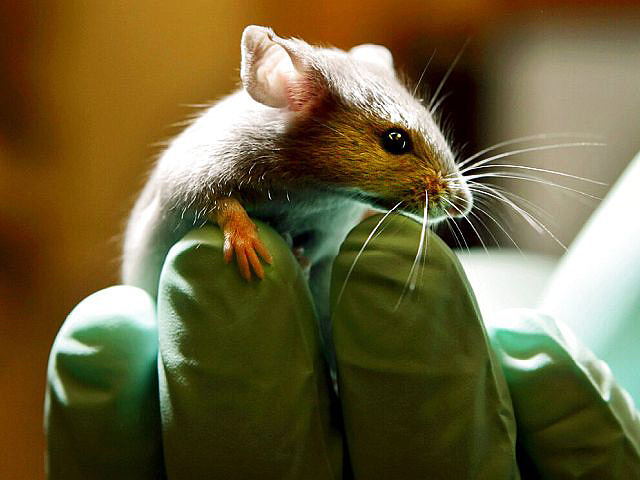
In a Stanford Medical School study, scientists were able to “reboot” the immune system of mice and reverse autoimmune type 1 diabetes. Experts believe that a similar strategy may be effective in other autoimmune diseases, as well as help improve outcomes of organ transplants. In the experiment, the researchers used a combined transplantation of blood stem cells and insulin-producing pancreatic islet cells from a donor with immune incompatibility with the recipient. Type 1 diabetes occurs when the immune system mistakenly attacks the islet cells in the pancreas responsible for producing insulin, disrupting blood sugar control.
This dual approach simultaneously restored insulin production and rebuilt the mice’s immune systems. However, not a single animal experienced graft-versus-host disease, a serious complication in which donor immune cells attack the body’s own tissues. Moreover, the mice’s original immune system stopped destroying the newly transplanted islet cells. Throughout the six months of the experiment, the animals did without insulin injections or drugs to suppress the immune system.
In the first work, the scientists first induced diabetes in mice using toxins that destroyed the insulin-producing cells of the pancreas. The disease was then reversed by prepping the animals with gentle pre-transplant therapy, including immunotherapeutic antibodies and low-dose radiation, followed by a transplant of blood stem cells and pancreatic islet cells from an unrelated donor.
The new study looked at a more difficult challenge: treating or preventing diabetes caused by an autoimmune reaction, in which the immune system itself destroys its own islet cells. In humans, this corresponds to type 1 diabetes. Unlike the induced diabetes model, where the main challenge was preventing donor cells from being rejected by the immune system, in mice with an autoimmune disease, transplanted islet cells face a double threat: they are both foreign to the body and susceptible to attack by an autoimmunely active immune system that destroys the islet cells regardless of their origin.
The characteristics of mice with autoimmune diabetes make preparing for a successful blood stem cell transplant much more difficult. However, the solution turned out to be relatively simple: scientists added a drug already used to treat autoimmune diseases to the preparatory regimen developed in 2022. Combined with a blood stem cell transplant, this resulted in the formation of an immune system made up of cells from both the donor and the recipient, and completely prevented the development of type 1 diabetes in all 19 mice. Moreover, nine mice with long-term type 1 diabetes were completely cured thanks to a combined transplantation of blood stem cells and pancreatic islet cells.
Since the antibodies, drugs and low doses of radiation used in the experiment are already used in clinical practice for blood stem cell transplants, the researchers believe the next logical step is to test this approach in people with type 1 diabetes.