Although a normal, healthy kidney system can handle high amounts of protein, for people with kidney damage, too much protein can create an excessive burden.
High-protein diets are becoming a trend for gaining muscle and losing weight, but their true impact on kidney health remains a big question mark for many people.
The notion that eating too much protein is always bad for your kidneys is only partly true: it’s mostly dangerous if your kidneys are already unhealthy. When kidney function declines, consuming too much protein will certainly make the condition worse.
Why does protein put pressure on the kidneys?
The main task of the kidneys is to filter waste products from protein metabolism. The greater the amount of protein consumed, the harder the kidneys have to work to eliminate these byproducts.
Dr. Abhijeet Kumar, Specialist Director of Nephrology and Kidney Transplant at Max Super Specialty Hospital (Lucknow), shares that when you eat proteins, they are broken down into amino acids and absorbed into the blood. This filtering of amino acids and waste increases the workload and blood pressure inside the kidneys. This is especially worrying if your kidneys are having problems.
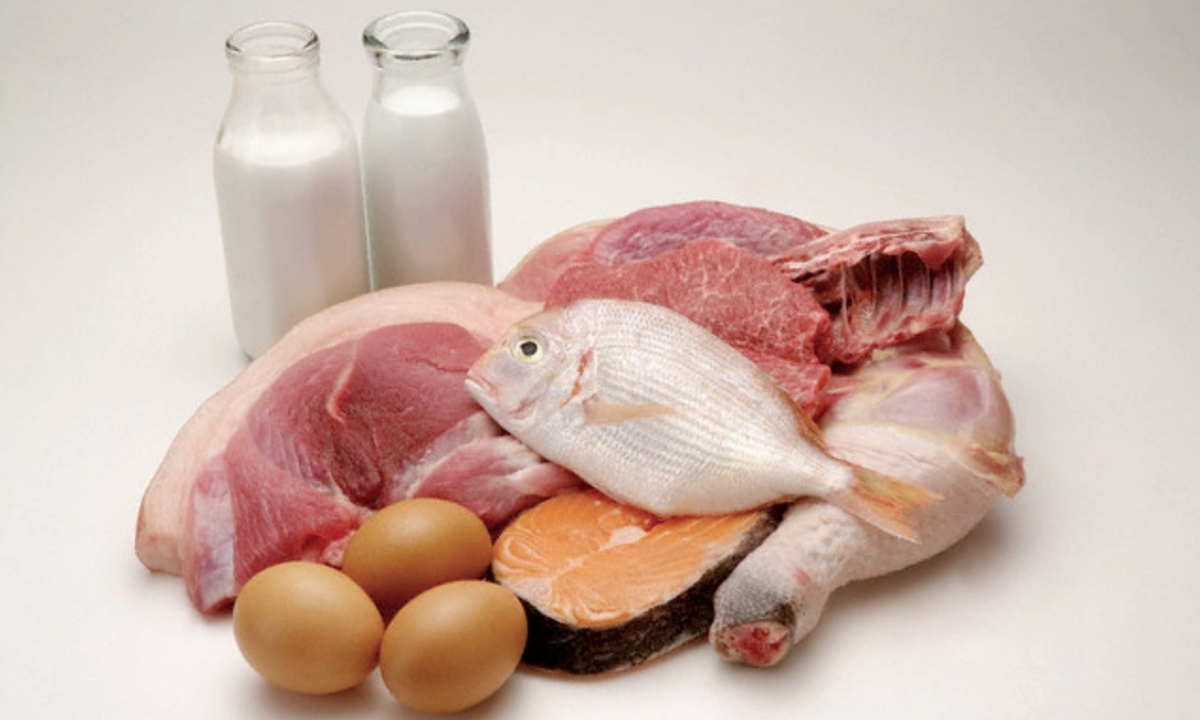
For people who already have kidney damage, consuming too much protein can create an excessive burden. Image: empoweredfit.com
Recommended protein quantification for each patient group
For patients with kidney disease, monitoring protein intake is extremely important. Dr. Kumar gives reference parameters (can vary depending on each person’s constitution) as follows:
-
Early chronic kidney disease (CKD 1-3): 0.8 – 1 g protein per kg body weight.
-
Advanced chronic kidney disease (CKD 4-5): 0.6-0.8 g protein per kg body weight.
-
Patients on hemodialysis: 1.2-1.5 g protein per kg body weight (to compensate for protein lost during dialysis).
The risks of consuming too much protein
Consuming too much protein, especially of animal origin, can cause the following consequences:
-
Phosphorus burden: Animal proteins often contain high levels of phosphorus, making it difficult for kidney patients to eliminate.
-
Excess acidity: Eating too much animal meat increases acid production in the body.
-
Causes inflammation: Some protein sources, typically red meat, can promote an inflammatory response.
Experts guide how to protect your kidneys
To keep your body’s “filters” always working well, you should note:
- Prioritize lean protein: Choose skinless poultry, fish, or beans.
- Balance animal and plant protein: Don’t rely too much on a single source.
- Limit processed foods: Stay away from deli meats, sausages and refined proteins.
- Provide enough water: Drinking lots of water helps the kidneys better filter out fats and amino acids.
- Consult an expert: If you’re unsure about your health, get kidney function tests and get personalized advice from a nephrologist.