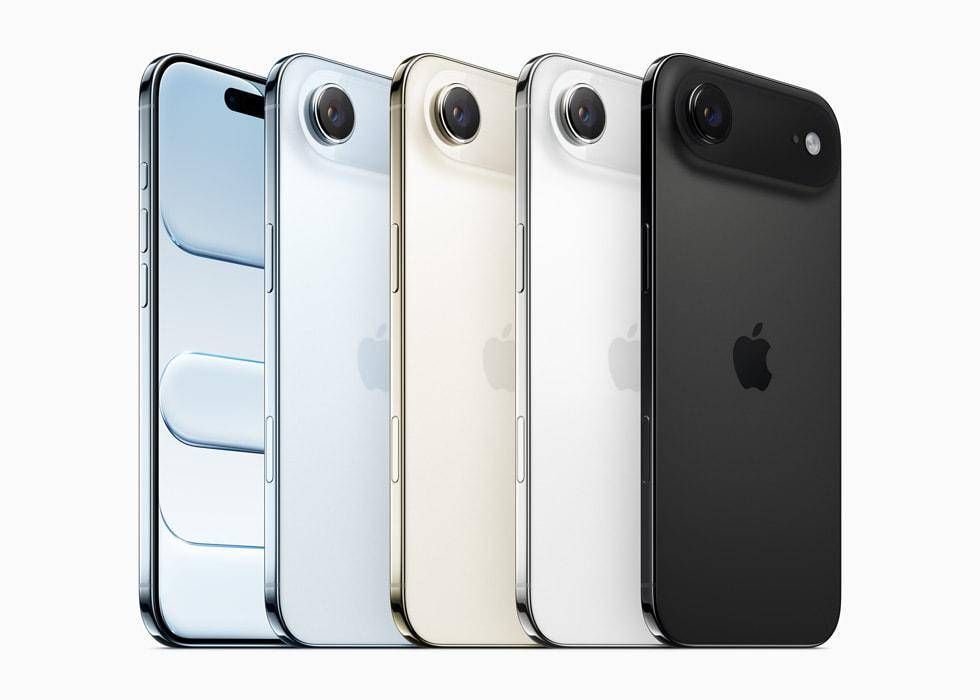
It now seems clear that iPhone Air sales fell well short of expectations, a situation that would have pushed Apple to drastically reduce or even suspend manufacturing operations. Since the days immediately following the launch, observers had noticed an anomaly: while the iPhone 17 Pro was sold out with long waiting times, the Air model remained constantly available for immediate delivery. To confirm the negative picture, several reports followed one another which indicated a cut in production orders to a minimum, an unmistakable sign of a lack of interest on the part of consumers towards this specific form factor.
The problem does not seem to be limited to the Cupertino company alone. Samsung also encountered the same positioning difficulties with its Galaxy S25 Edge, leading, according to some rumours, to canceling the model scheduled for the following year. This scenario outlines a market picture in which the demand for extremely thin devices, given the technical or price compromises required, is much weaker than expected by the technology giants.
As a result, the Chinese industry reacted quickly to negative signals from market leaders. A new supply chain report, picked up by DigiTimes and based on sources from Sina Finance, suggests that major Asian brands have decided to abandon the ultra-thin smartphone race. Manufacturers such as Xiaomi, Oppo and Vivo have permanently frozen or canceled development plans for their “Air” models, which were designed to compete directly with Apple’s new proposal. In particular, Xiaomi, a company that built part of its initial success by following Apple’s design choices very closely, would have shelved a project that involved a very faithful replica of the iPhone Air.