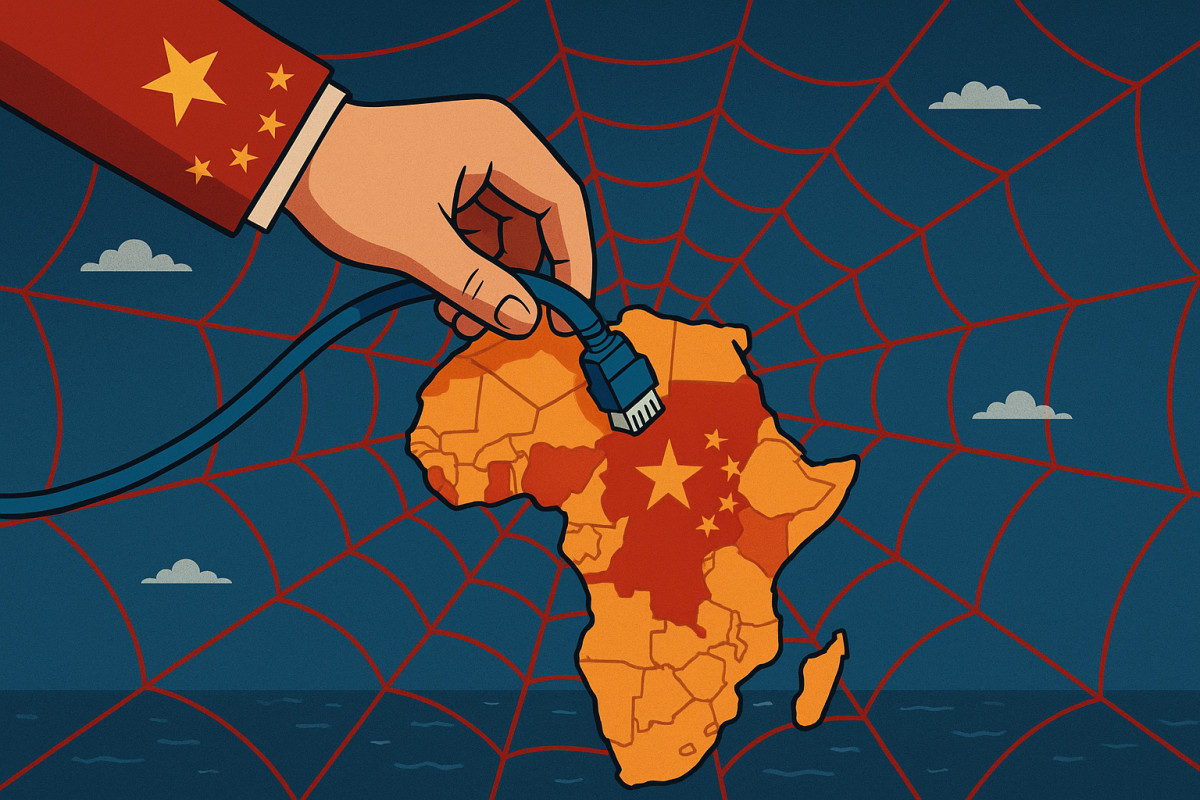
Lu Heng, who grew up in a fishing village in Shifu, China, started his career in the Internet industry in the Netherlands. In his 20s he developed an idea that made him very rich: to rent unused IP addresses to companies that needed them. According to him, the goal was to create a “transparent, market-based rental model.”
Between 2013 and 2016, AFRINIC granted Cloud Innovation Ltd, owned by Lu Heng, about 6.2 million IPv4 addresses – more than were allocated to Nigeria, the continent’s most populous country.
At the same time, in a report by DNS Africa – an African organization dedicated to digital literacy and Internet infrastructure – it was stated that this move turned the public resource into a commercial one and harmed the ability of local Internet providers to expand network capacity.
A significant part of the addresses was transferred through a subsidiary in Hong Kong called Larus Limited to cloud service companies and Internet services outside the mainland. The body also notes that the rental of the addresses created a “price boom” for local service providers and caused high costs for consumers.
In 2020, AFRINIC demanded that the IPv4 addresses be returned, arguing that their use outside the continent violates the rules. Lu Heng replied that at the time of the allocation there were no rules prohibiting renting outside the area.
Following the legal battle, in lawsuits in Mauritius, AFRINIC’s bank accounts were even frozen in 2021 – which led to a temporary shutdown of the organization.
AFRINIC also points out that today full transparency and a stronger monitoring mechanism on the distribution of IP addresses is required, to ensure that the rights of the public and the local resource are preserved.
In conclusion, the IP addresses, which are supposed to serve Africa, have become a commercial private resource. Experts are calling for them to be returned to AFRINIC or to create full transparency, in order to allow Internet connection for the entire population and to prevent a situation where Internet connection in Africa will become a rare and expensive commodity.