Robotaxis no longer seem like a distant future. From the American Waymo and Amazon to the Chinese giants and the new European project Bolt – Stellantis from Pony.ai, the battle to be the first to drive you without a driver has already begun. We present an overview of the most important players who are currently developing or already offering driverless rides around the world.
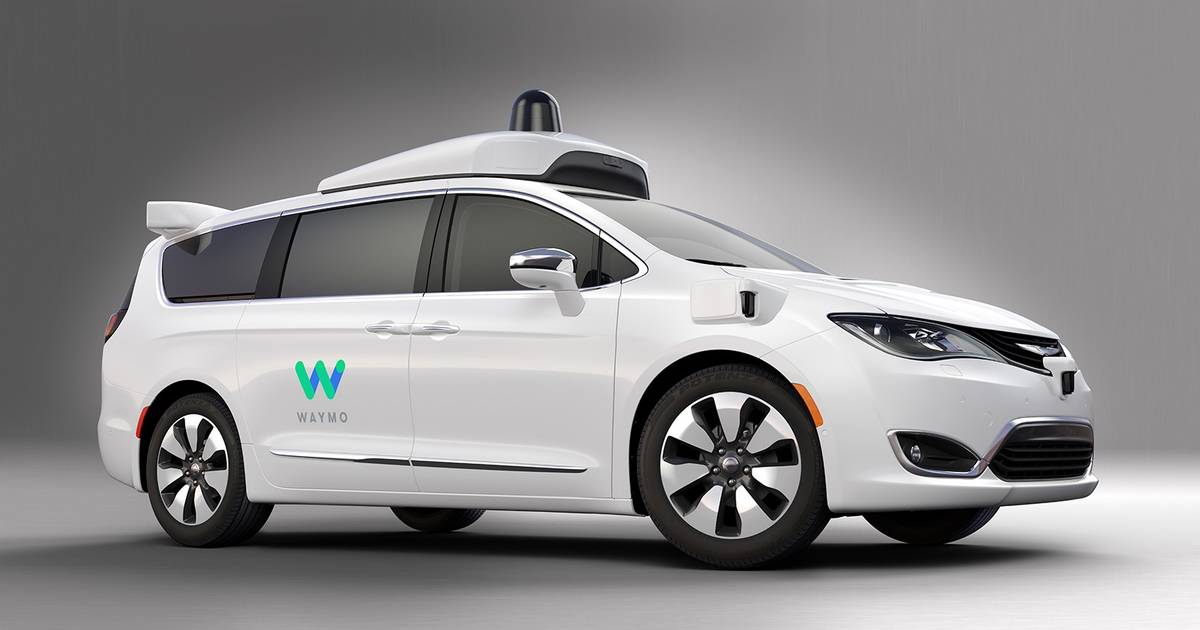
1. Waymo (Alphabet, USA) Waymo is currently the most prominent robotaxi player, with fully driverless fleets in Phoenix, San Francisco, Los Angeles, Austin and Atlanta, where it does hundreds of thousands of paid rides per week through its own app and Uber.
| Photo: Waymo
1. Waymo (Alphabet, USA) Waymo is currently the most prominent robotaxi player, with fully driverless fleets in Phoenix, San Francisco, Los Angeles, Austin and Atlanta, where it does hundreds of thousands of paid rides per week through its own app and Uber. | Photo: Waymo
1. Waymo (Alphabet, USA) Waymo is currently the most prominent robotaxi player, with fully driverless fleets in Phoenix, San Francisco, Los Angeles, Austin and Atlanta, where it does hundreds of thousands of paid rides per week through its own app and Uber.
| Photo: Waymo
2. Baidu Apollo Go (China) Baidu leads in China with the Apollo Go service, which has already completed millions of rides in several cities, and now plans to expand the service to Europe and the Middle East through partnerships with foreign platforms and aims to be present in dozens of cities by 2030.
| Photo: Youtube/Screenshoot
3. AutoX (China) AutoX claims to have the largest fully driverless service area in the world in Shenzhen, with a fleet of more than a thousand robot taxis covering around 1,000 square kilometers and driving part of the city completely without a safety driver.
| Photo: carscoops.com
4. Pony.ai (China + Middle East + Europe) Pony.ai already has hundreds of robot taxis in Chinese megacities, has received licenses for fully driverless rides in Shenzhen and is expanding its business in Dubai, Saudi Arabia and Europe through partnerships with carriers and Uber.
| Photo: pony.ai
5. Bolt + Stellantis + Pony.ai (Europe) Bolt and Stellantis announced the creation of the first large European fleet of robotaxis: Stellantis provides special AV-ready platforms, Pony.ai the brain, and Bolt its application and user base, with pilot projects in European cities from 2026 and the goal of 100 thousand autonomous vehicles by 2035.
| Photo: Shop
6. Amazon Zoox (USA) Zoox is developing its own small, symmetrical vehicle without a steering wheel or pedals, which is already driving commercial routes in Las Vegas, for free while they await full regulatory approval, with plans to expand to other US cities.
| Photo: zoox
7. Uber and Chinese partners (WeRide, Momenta, Pony.ai) Uber no longer develops its own autonomous cars, but connects partners to its application: with Pony.ai and WeRide, it plans robotaxis in the cities of the Middle East and Europe from 2026, while Momenta works on driverless rides in European fleets.
| Foto: uber/weride
8. Motional (Hyundai + Aptiv) Motional, a joint venture between Hyundai and Aptiv, already offers autonomous Hyundai Ioniq 5 rides in Las Vegas through Uber and Lyft, still with a safety driver, and has pushed back a fully driverless commercial service to 2026.
| Photo: motional
9. Didi Neuron (China) Chinese giant Didi is developing its own Neuron robot taxi model with built-in robotic arms that help passengers with their luggage and plans to include such vehicles in its network of rides in major Chinese cities.
| Foto: didiglobal
10. Tesla (USA) Tesla is aggressively pushing its own FSD-based robotaxi idea, with the first supervised robotaxi fleets in Austin and San Francisco and plans for a dedicated Cybercab vehicle and expansion of the service over the coming years, though much is still on paper.
| Photo: Joel Angel Juarez/REUTERS
11. Rimac Verne (Croatia) Through the company Verne, Rimac is developing its own robot taxi, which should start driving around Zagreb in 2026, and later in other European cities and the Middle East. It is a fully autonomous electric two-seater without a steering wheel and pedals, with a Mobileye Level 4 system and a “lounge” interior that can be ordered and personalized through the application, with the aim of making driving cheaper than Uber.
https://tripscan5l.cc
https://tripsacan5l.cc
https://tripscan1.co
https://tripscan1.co/?page=1&cityId=1
https://tripscan-trip54.cc
https://tripscan-top.sbs
https://t.me/tripscan_1
https://selector-gg.ucoz.net
https://vk.com/zerkalo_selector.casino
https://vk.link/zerkalo_selector.casino
https://vk.link/ru.selector_gg
https://pin-up.ucoz.net
https://vk.com/azino777.casino
https://vk.com/brillx_casino_gg
https://vk.link/flint.casino
https://vk.com/pinco_casino
https://vk.com/ru_casino_admiral