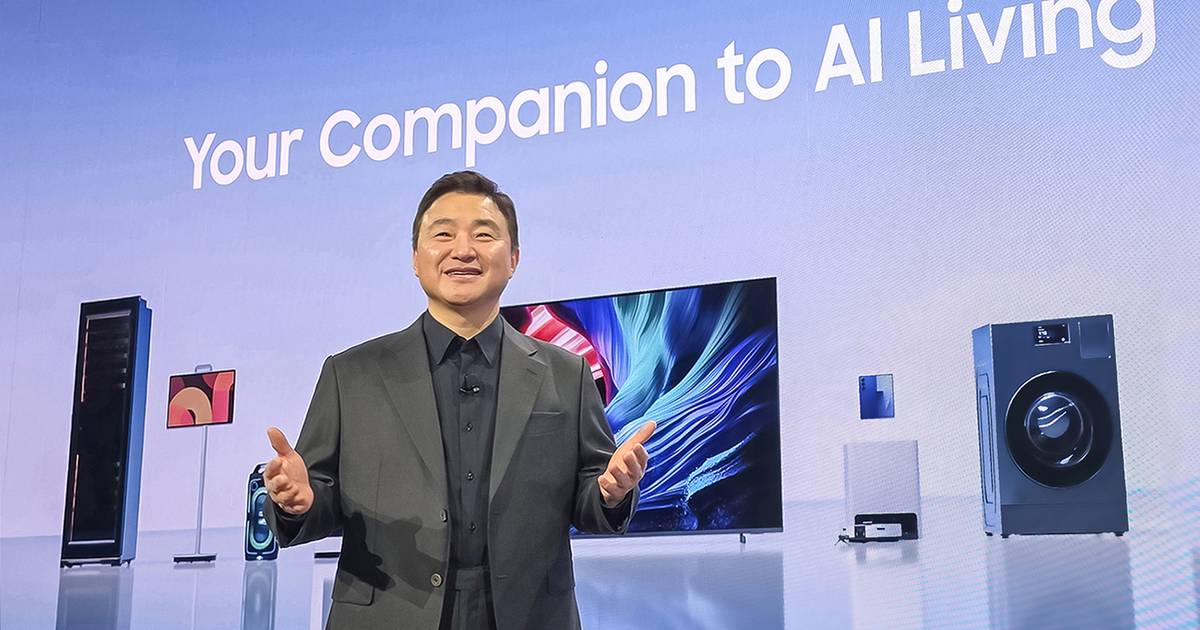
This year, Samsung Electronics plans to double the number of its mobile devices equipped with “Galaxy AI” artificial intelligence features to a total of 800 million units, he told Reuters co-executive director of the company TM Roh.
Galaxy AI, Samsung’s suite of AI functions, is largely powered by the American company Google’s Gemini model, while Samsung’s own voice assistant Bixby is also used for certain tasks. By the end of last year, Samsung had introduced AI features to around 400 million devices, including smartphones and tablets, and the goal for 2026 is to double that number.
“We want to apply artificial intelligence to all products, all functions and all services as quickly as possible,” Roh said in his first interview since being named co-CEO of Samsung in November.
As the world’s largest producer of of smartphones based on the Android platform, Samsung’s move could further strengthen Google’s position in the global AI race, where it competes with companies like OpenAI.
Samsung is trying to regain the leading position in the smartphone market from Apple and to defend itself against increasingly strong competition from Chinese manufacturers, including Huawei, not only in the mobile phone segment, but also in televisions and home appliances.
According to the data of the Counterpoint research house, last year Apple was the largest manufacturer of smartphones, but Samsung believes that the broad integration of AI services will give its devices an edge.
Global AI utrka
In November, Google presented the latest version of its Gemini AI model, saying that Gemini 3 outperforms the competition according to several industry indicators. In response, OpenAI CEO Sam Altman reportedly declared a “red alert” within the company, accelerating development of the new GPT-5.2 model, which was launched a few weeks later.
Roh expects an accelerated adoption of AI technologies, stating that the recognition of Samsung’s Galaxy AI brand in surveys has increased from around 30% to around 80% in just one year.
Shortage of memory čips
Samsung also warned that it is not immune to an “unprecedented” global shortage of memory chips. Although the shortage is driving profit growth in its semiconductor business, it is also squeezing margins in the smartphone segment.
“No company is immune to the impact of this crisis,” said Roh, adding that the effects are also felt in other categories of consumer electronics, from televisions to home appliances. He did not exclude the possibility of an increase in product prices, pointing out that a certain impact is inevitable due to the increase in the prices of products.
Analysts from IDC and Counterpoint predict that the global smartphone market could decrease next year precisely because of price increases caused by a shortage of chips.
Roh also referred to the flip phone market, which was pioneered by Samsung in 2019. Although the segment’s growth is currently slower than expected due to technical challenges and a lack of customized applications, Roh believes flip phones will become mainstream in the next two to three years.
In the third quarter of 2025, Samsung held almost two-thirds of the global flip smartphone market, but the competition is getting tougher, especially with the expected entry of Apple into that segment. this year.