The challenge does not lie in the preference of the carnivores among us for beef, lamb, poultry or “real” fish, nor in the taste – but mainly in the fact that the production costs of food cultured from a laboratory remain very high.
Now, it seems, there may be a change: a new technology, unveiled last week at the Sea The Future 2026 international conference on food security in aquaculture, promises to dramatically reduce production costs. The conference was held at the initiative of the Ministry of Agriculture and Food Security and the Ministry of the Negev, Galilee and National Resilience.
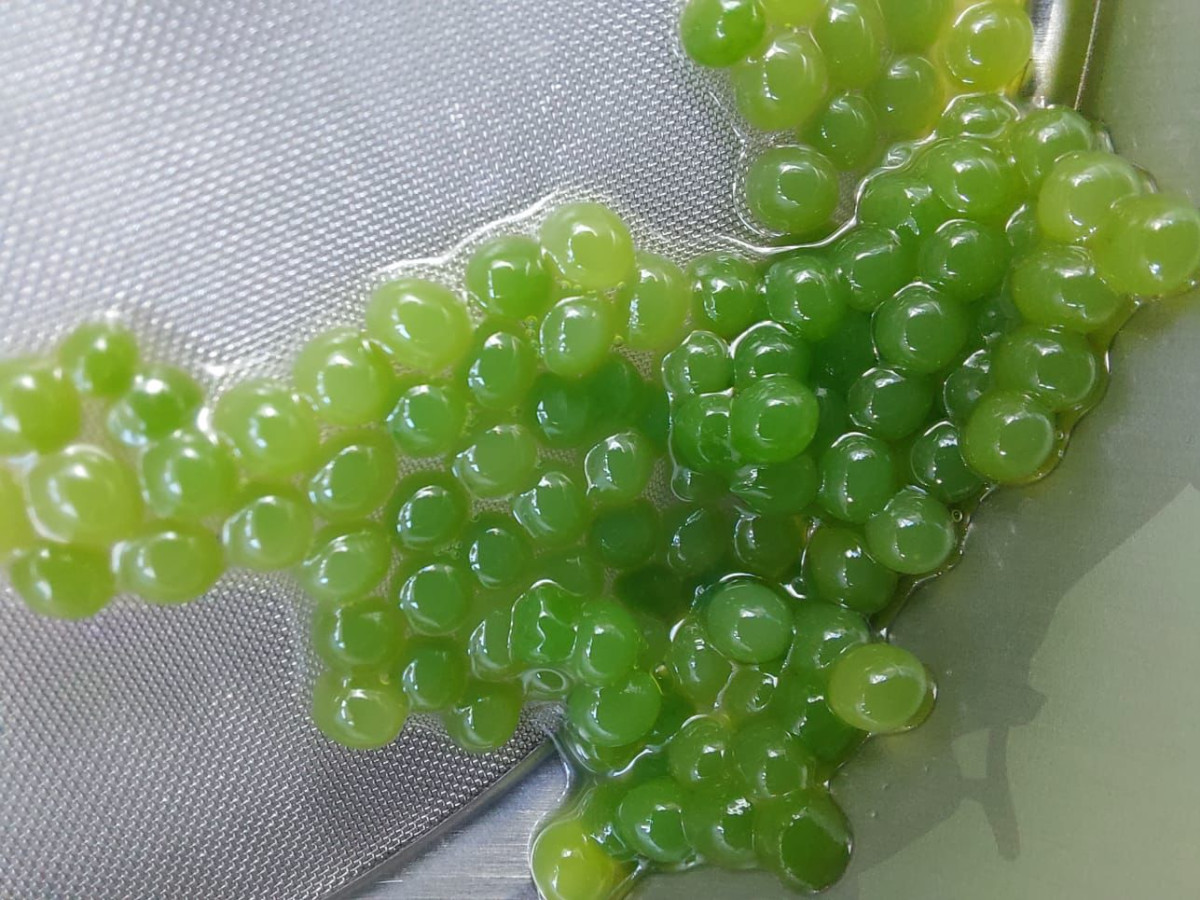
The technology is based on an edible growing shell made of hydrogel, which is used as a biotechnological platform for growing living cells from animals and plants for the purpose of food production – a kind of creation “out of thin air”.
According to the developers, the platform reduces production costs by tens of percent, and in advanced stages of development even reached a reduction of about 80% compared to competing cultivation methods.
The approach developed by the company improves the stability of the growing process, reduces the dependence on heavy infrastructure, and enables a better match between the biological needs of the cells and the production environment.
So far, the technology has been proven in plants – in a number of microalgae strains – and in the animal world, in fish cells. The company is working to expand the platform’s applications to high-value plant cells and animal cells, including applications such as saffron, vanilla and truffles, as well as chicken, beef and fish cells.
In addition, cell-based protein production from water reduces dependence on fishing and the direct exploitation of natural ecosystems, thus contributing to reducing the pressure on dwindling resources, while creating sustainable alternatives to the existing food market.
Another significant advantage is the environmental aspect: in some cases the tumor casing is not just a production tool, but part of the final product itself – and can be consumed. This advantage simplifies the production chain, reduces depreciation and processing processes, and supports the production of food in large quantities and with consistent quality.
The technology allows cells to grow in a controlled environment, without the need to grow or slaughter animals, thus offering an additional source of protein that can be integrated into the global food system, reduce harm to animals and enable food production even in areas where nutritional security is currently limited.