Zoology|Despite the saving trick, the abilities remain.
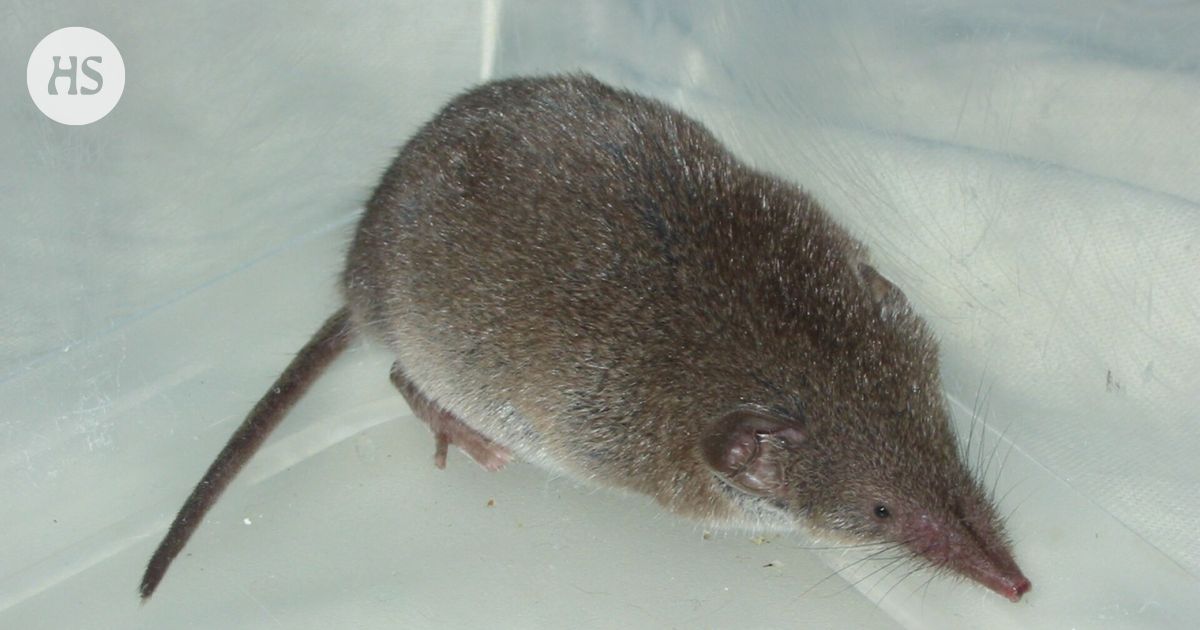
When a thumb-sized woodcock in the winter roosts under a hangar or in the corners of a liter, its brain can be up to a quarter smaller than in the summer. Still, it finds its way and knows how to look for small animals, carrion and seeds for food.
The thought passes even in shrunken brains, because brain cells do not die but shrink by reducing their water volume, researchers tell in Current Biology.
By reducing their brains and bodies, it has been concluded that cephalopods, tank-dwelling and small marten animals reduce their energy needs for a time when finding food becomes more difficult.
Now, researchers from an international group measured the brains of wood voles in Germany at different times of the year and found out the cell and water situation with magnetic resonance imaging.
The brain cells shrank for the winter by partially drying out, but the structure of the neural network was not disturbed. The epileptics seemed to make sure in particular that the parts of the brain responsible for memory and motor control continued to hum.
Published in Science in Nature 8/2025.