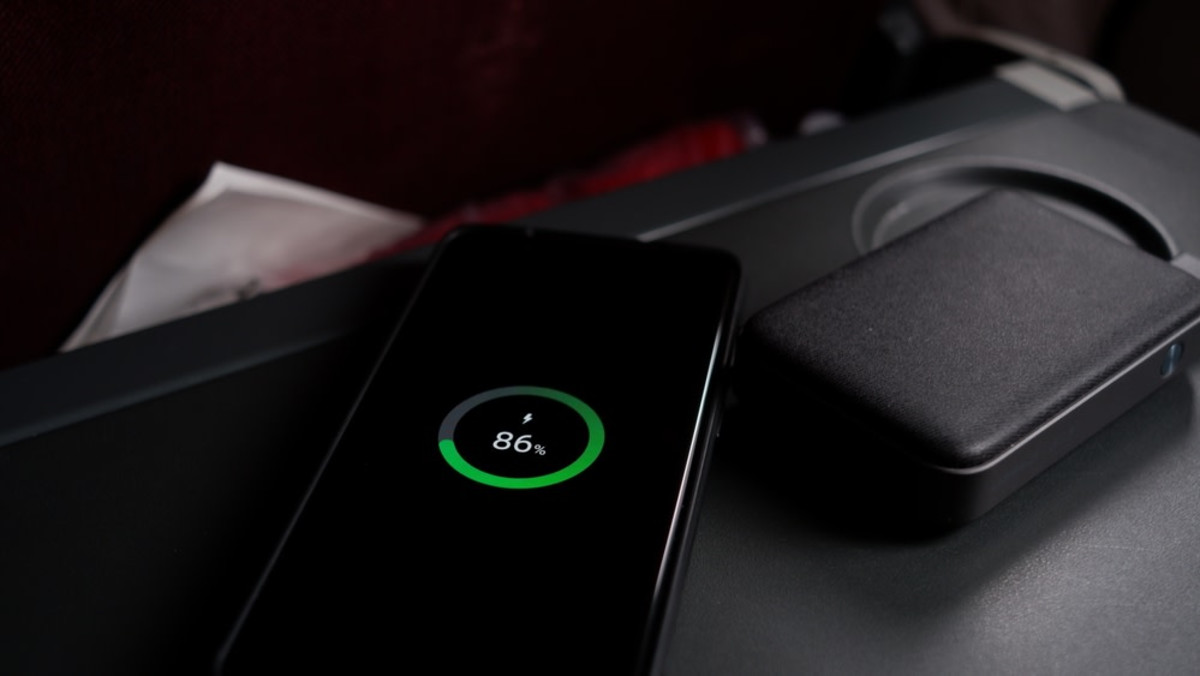
According to El Al’s new procedures, passengers may bring only one portable charger onto the plane, provided that its capacity does not exceed 100 watts per hour. Beyond that, it is absolutely forbidden to use the charger during the flight or charge it through the plane’s electrical system. Loads with a higher capacity are not allowed to be flown at all, and also load that does not have a clear marking of the “watt” rating will not be allowed to be carried in the carry-on.
In doing so, El Al joins a long line of major airlines that have already tightened the procedures. Among others, these include Lufthansa, Emirates and airlines from the Far East, some of them went even further, and completely prohibited the loading of mobile cargo above a certain capacity, even without using it.
The main reason for the tightening of the rules is the lithium battery inside the portable chargers. These batteries, based on lithium ion or lithium polymer technology, are very efficient but also sensitive. Physical damage, overheating, short circuit or a manufacturing defect can lead to a process known as thermal runaway, in which the battery heats up quickly, swells and can catch fire and even explode. In the closed cabin, at an altitude of tens of thousands of feet, such an event is considered a significant safety challenge.
In recent years, there have been documented cases in the world where portable chargers started burning during a flight, sometimes inside a hand bag and sometimes while being connected to an outlet. In most incidents, the crew was able to control the fire using dedicated firefighting equipment, but the very risk led the aviation authorities and the aircraft manufacturers to tighten the guidelines. Unlike the batteries built into devices such as phones and laptops, many portable chargers are manufactured without uniform supervision, sometimes with cheap cells and without adequate protection systems.
Also the fact that portable chargers tend to heat up during continuous use, especially when charging and discharging at the same time, increases the risk. Connecting them to the electrical outlets on the plane adds another layer of complexity, since any malfunction may also affect the electrical system of the passenger cabin. That is why many airlines have chosen to prohibit not only the use, but also the very connection to the outlet.
In Israel, the situation is not uniform among the companies. While El Al and Air Haifa already prohibit the use of portable cargo during the flight, Israir and Arkia still allow limited use, subject to capacity restrictions and the number of cargo. The industry estimates that there is also a possibility of worsening in the future, in accordance with developments in the world and the regulatory guidelines.
For the passengers, the practical meaning is preparation in advance. It is recommended to arrive on the flight with charged devices, check the “watt” rating of the portable charger and make sure it meets the requirements, and avoid using it during the flight even if it is in your pocket.