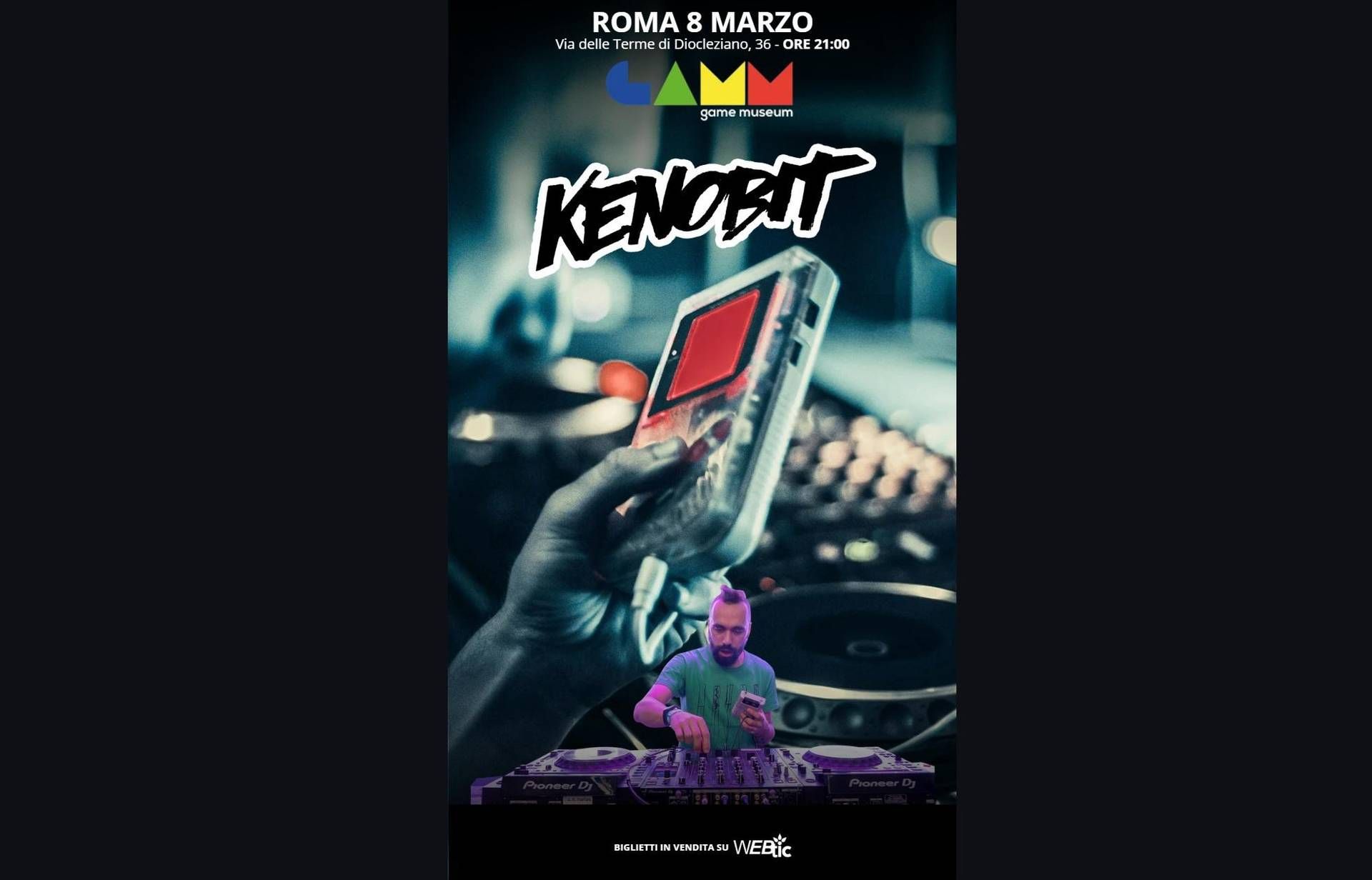
The special project traces the sonic evolution of the medium, from the technical limitations of 80s chips to modern orchestral performances, celebrating the masterpieces of 1986, through the initiative “40 years of videogame music (1986–2026)”, hosted by the GAMM (Video Game Museum).
Il project was born to celebrate the fortieth anniversary of three titles that have indelibly marked the collective imagination: The Legend of Zelda, Metroid and Castlevania. These works not only defined new gaming canons, but elevated 8-bit music from a simple acoustic signal to a truly sought-after artistic identity, influencing generations of musicians and giving birth to the global “chiptune” scene. The exhibition and performance itinerary aims to analyze how the technical constraints of the past have been transformed into a universal language, capable of evolving to reach the complexity of large orchestras.
The event program is divided into two days dedicated to dissemination and live performance. On March 7, the focus will be on historical narrative and analysis of classical themes, culminating in the evening concert by the Player 2 Orchestra. This is the first Italian symphonic formation dedicated exclusively to the soundtracks of the digital world, capable of reinterpreting iconic songs through modern orchestral arrangements that restore solemnity to the melodies born on the sound chips of 1986. This phase of the project aims to show how videogame sound design has overcome the boundaries of the medium to become an autonomous and celebrated art form.
March 8th will instead explore the more experimental and “underground” soul of musical production. Through workshops dedicated to the use of the Game Boy as a creative tool, the public will be able to discover the DIY philosophy of electronic music produced with retro hardware. The protagonist of the evening will be Fabio Bortolotti, aka Kenobit, whose live performance on a portable console will represent a moment of discussion on topics such as musical freedom and digital pedagogy. Kenobit describes this experience as a way to tell «the future of the past», underlining how limited hardware can still offer spaces for rebellious and innovative expression. The entire initiative thus transforms GAMM into a cultural incubator, capable of involving schools, families and enthusiasts in a journey that starts from the circuits of the past to project itself towards the new frontiers of digital composition.