Cancer|The bacteria that cause cholera and botulism get their pathogenicity in the same way.
According to a Danish study, common intestinal bacteria can increase the risk of cancer if a certain virus has invaded it.
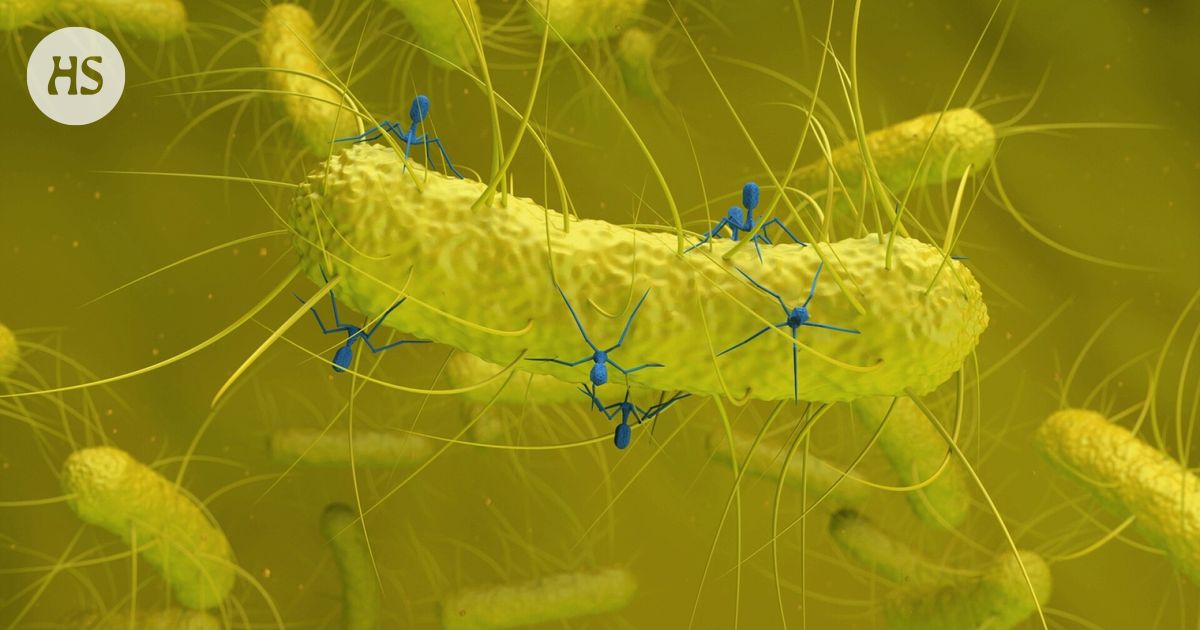
A virus transfers its genes to a bacterium, which can then become harmful to humans.
The study found that bacterial strains invaded by the virus were more abundant in patients with colon cancer.
Bowel cancer the risk may increase if certain viruses have attacked the normal intestinal bacteria and changed their properties.
Bacterial Bacteroides fragilis is part of the normal bacterial flora of the human digestive system. It makes up less than one percent of the bacterial population in the gut, but it can cause infections.
According to a recent Danish study a harmless bacterium can become particularly harmfulif it carries the gene of the now detected bacteriophage, i.e. a virus that invades bacteria.
In research Bacteroides fragilisin certain viral strains were more abundant in those with bowel cancer.
The study was published by Communications Medicine – science journal.
Explanation it might be that the bacterial strains have the genes of the bacteriophage that settled in them.
Bacteriophages do not attack human cells, but multiply in bacteria and kill them.
“These bacteriophages are in the darkest of clouds in the intestines. They keep the bacterial populations in balance,” affirms the professor emeritus of bacteriology Mikael Skurnik. He has studied bacteriophages as a treatment for diseases caused by harmful bacteria.
However, not all bacteriophages kill bacteria. Instead, they can add their own genome to that of the bacteria. Such a viral genome that has settled into a bacterium is called a prophage.
“For example, the bacteria that cause cholera and botulism get their ability to cause disease from the toxin genes that came with the prophages,” says Skurnik. Toxin means poison.
Prophages can also detach and spread harmful genes from one bacterium to another.
Research however, did not find out which gene brought by the bacteriophage could be related to cancer. So no direct biological explanation was found, only a connection.
According to Skurnik, the research in itself looks thoroughly done. There may still be factors that distort the result, the researchers admit.
For example, it was not verified whether all those in the control group remained free of cancer.
It may be that the intestinal conditions of people with cancer are suitable for certain people Bacteroides fragilisin to the stumps. Or maybe intestinal cancer creates the conditions in which the strains of the bacteria that have just been detected thrive.
Second intestinal bacteria was linked to colon cancer in a study published last year. Published in the journal Nature research in the center were intestinal bacteria Escherichia colin certain positions.
If, as a child, you are exposed to certain E. coli bacterial strains that produce a cell toxin called colibactin, the risk of early-onset intestinal cancer may increase. The possible connection between colibactin and intestinal cancers has been known for some years.
Bowel cancer or more precisely, colon and rectal cancer is the third most common cancer in the world. It causes the second most deaths among cancers.
Also in Finland bowel cancer is the third most common cancer after prostate cancer and breast cancer.
Intestinal cancer can be partly prevented by lifestyle. For example, a diet with a lot of red meat, animal fat and little fiber has been found to be a risk factor. Tobacco and alcohol increase the risk.
Read more: Intestinal cancers are becoming more common in younger people, and no one knows for sure why – New research sheds light on a possible reason
Read more: Meat products seem to have a higher cancer risk than red meat – An expert explains what it’s all about
Read more: Intestinal cancer is becoming more common, and the symptoms go unnoticed by many – An expert tells which symptom unites more than half of those affected