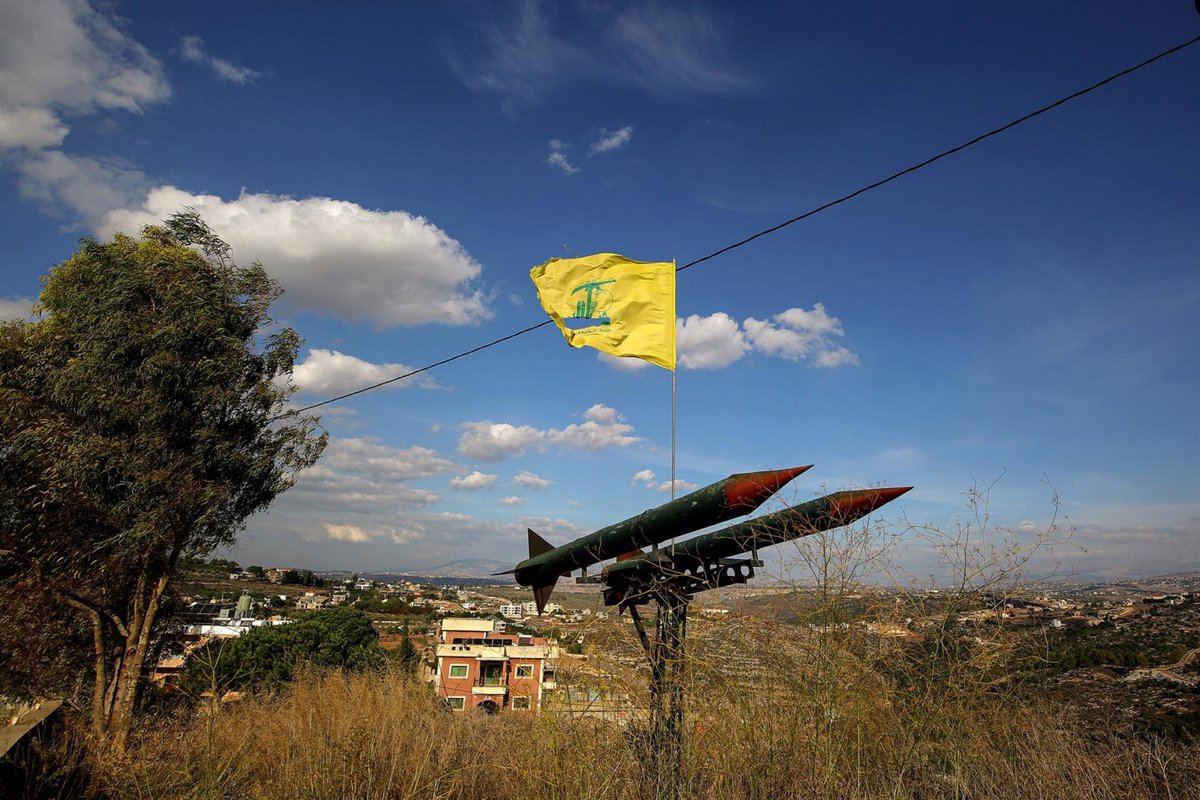
Israel’s Defense Minister, Israel Katz, warned this Wednesday that Israeli troops will intervene “with force” in Lebanese territory if the Shiite militia party Hezbollah does not disarm “before the end of the year.”
“I don’t think Hezbollah is going to disarm voluntarily. The United States has demanded the group do so before the end of the year, but I don’t see this happening,” he told the Foreign and Defense committee of the Israeli Parliament.
Katz has thus indicated that Israeli troops will make this decision to protect the residents of northern Israel, although he has assured that the military and civil situation of Hezbollah “is worse than before” thanks to the Army’s operations on the ground.
Tensions between the parties have increased in recent days after the death of the ‘number two’ of the formation and leader of its military wing, Haizam Ali Tabatabai, in a bombing carried out on Sunday by the Israeli Army against the capital of Lebanon, Beirut.
Hezbollah already warned Israel on Monday of a possible response by the group to Tabatabai’s death. “They believe that this assassination will be a blow to the structure and leadership of the resistance, but they have forgotten that we have brave leaders who can fill any void in leadership positions,” said the head of Hezbollah’s Executive Council, Ali Daamush.
The Israeli attack was perpetrated against the Haret Hreik neighborhood, in the south of the capital, and left five dead, including Tabatabai, who is considered the right-hand man of the organization’s current secretary general, Naim Qasem.
Israel has launched dozens of bombings against Lebanon despite the November 2024 ceasefire, arguing that it is acting against Hezbollah activities and ensuring that, therefore, it does not violate the pact, although both Beirut and the group have been critical of these actions, also condemned by the United Nations.
The ceasefire contemplated that both Israel and Hezbollah had to withdraw their troops from southern Lebanon. However, the Israeli Army has maintained five posts in the territory of its neighboring country, something also criticized by the Lebanese authorities and the Shiite group, which demand an end to this deployment.