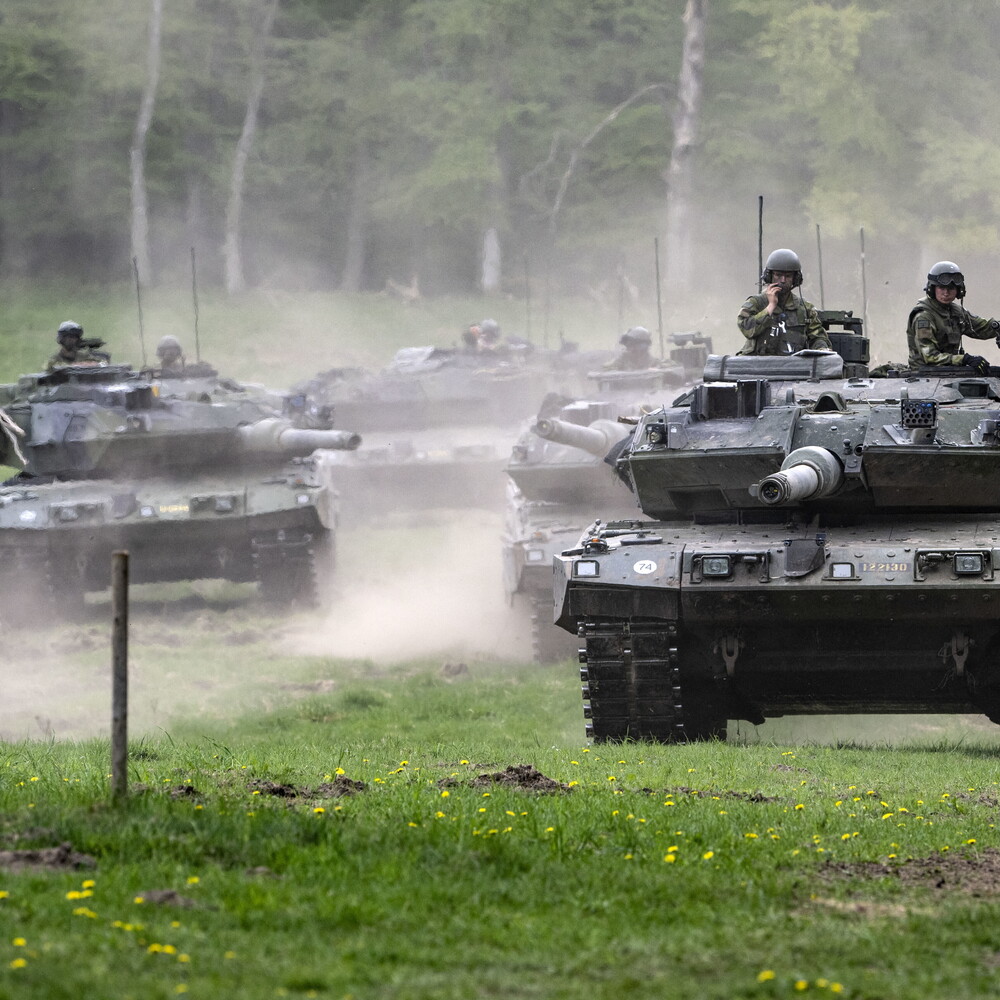
Twelve hundred pages the result of two and a half years of very secret work: it is theOperational plan Germany‘, written by German soldiers to prepare for a possible one war with Russia. To reveal the details of the monumental ‘Oplan Deu‘, as it is called in military jargon, was the Wall Street Journal.
According to the American newspaper, it was around ten senior officers who put all the details down on paper who have worked in complete confidentiality in the rooms of the Julius Leber barracks since February 2022, when the Russia started thefull-scale invasion of Ukraine. The Oplan provides for the mobilization also of 800,000 German, US and NATO soldiers towards the line of eastern front. There are maps of the ports, rivers, railways and roads they should use, details on supplies e protection along the route in German territory.
Predictions for 2029
After all, that the Germania is strategic for a conflict with Russia geography says so. Germany expects that Russia can attack NATO in 2029. But the many episodes of sabotage e airspace intrusion in Europe, many of which attributed to Moscow byintelligence occidentalethey suggest it could be preparing to happen even sooner. An imminent ceasefire in Ukraine could paradoxically be bad news for the rest of Europe, with Moscow once again having its forces available for another front and moving against the Nato. Hence the need to preparewith the hope not only of repelling the offensive if necessary but above all of prevent it. Knowing gods preparations underway on the NATO sideRussia may have qualms about attacking given the risk of defeat.
Exercises and critical issues
Exercises they have already begun. The company Rheinmetallwhich recently won a 260 million euro contract of the German Ministry of Defensehe put together in record time a camp for 500 soldierswith dormitories, 48 shower stalls, five gas stations, a field kitchen, drone surveillance and armed guards shielded for Russian and Chinese influence. It took 14 days to assemble it and seven to dismantle it. The exercise also served to highlight critical issues to address. For example, the makeshift camp wasn’t all on the same ground and so there were logistical difficulties. From the end of Cold Warpotentially dangerous structures have been dismantled everywhere dual usesuch as emergency landing fields. Not only that. There are according to the drafters of the plan bureaucratic obstacles even more dangerous: the rules regarding procurementon the data protection and other regulations from an era of peace. To move forward, we should therefore go back and renounce achievements that were considered consolidated, such as theabolition of compulsory military service.
Investments and reforms
Berlin he’s working on it. The first step was right there reintroduction of conscriptioneven if for the moment not forced. In the short term, improve the resilience means making the most of existing road and rail networkswhich require enormous work modernization. In the long term, Berlin aims to spend 166 billion by 2029 for them infrastructureincluding further 100 billion on railways long neglected, and give priority to dual-use infrastructure. E massive investments on military equipment after years of disinvestment in the sector, a path already taken in the aftermath of theinvasion of Ukraine when German chancellor Olaf Scholz announced a 100 billion euro fundwho not surprisingly defined a “epochal change“.