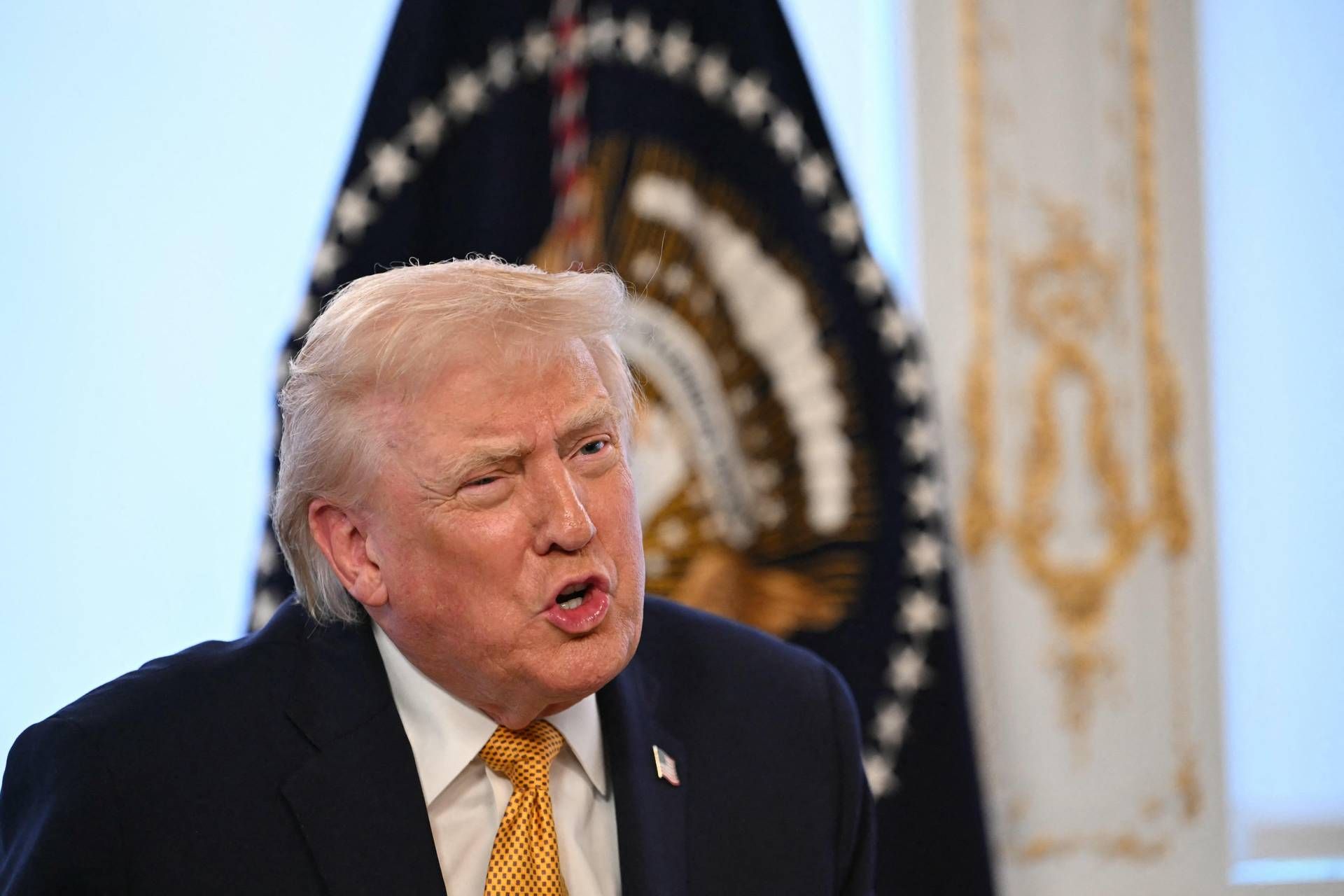
From “Invincible Russia” to “Zelensky an idiot”. From the arms ban for Kiev to the sanctions against Moscow. Until the dialogue in recent months to develop a peace plan. Donald Trump, since his return to the White House, has said and done everything and the opposite of everything in relation to the war between Ukraine and Russia, judging by the reconstruction of the New York Times which documents the administration’s line.
The president’s line is described through meetings, declarations, background stories that outline a sinuous path, to say the least, full of braking and accelerations between contradictions and sudden changes of direction. A roller coaster ride, preceded by 83 announcements – before the elections won by Trump in November 2024 – with assorted promises for a quick solution to the war: “I’ll have it finished in 24 hours”.
The newspaper’s reconstruction highlights Trump’s approach, fascinated by the parade in Red Square (“the Russian army is invincible”) and convinced of having a consolidated and productive relationship with Vladimir Putin: “Russia is mine, not yours”, the president reportedly told General Keith Kellogg, special envoy for Ukraine. Particularly heated confrontations reportedly took place with Kellogg, a supporter of Kiev’s cause. “So you define Zelensky as beleaguered and courageous?” the president asked. “It is. It’s an existential struggle for Ukraine. When was the last time an American president faced a situation like that? With Abraham Lincoln?” Kellogg replied. And Trump? “He’s an idiot”, the president’s sentence. After the confrontation, Kellogg out: in his place, here is the new correspondent Steve Witkoff.
The NYT article turns the spotlight on the dramatic meeting that took place at the White House at the end of February, with the verbal brawl between Trump and Zelensky. The Ukrainian president had been instructed by Kellogg: “He must thank the United States for what has been done.” Zelensky had been advised not to show Trump photos of Ukrainian prisoners. The meeting, live on TV, failed sensationally: “You have no cards in your hand”, Trump’s final thrust before the expulsion of the Ukrainian delegation from the White House. From then on, a slow ascent.
The dialogue between Washington and Kiev was rebuilt through ups and downs, between the stop to arms supplies by the secretary of war, Pete Hegseth, and the pressing Ukrainian requests: “Tell us the truth, are you with us?”. In his wavering path, Trump also questioned the alleged feeling with Putin: “Does he really want an agreement or does he want all of Ukraine?”, asked the American president, convinced that he can solve the puzzle with the mid-August summit in Alaska.
Day after day, the plan to end the war with the cession of Donbass to Russia took shape: “Donetsk? In America we don’t even know where it is.” The rest is news. The Donbass issue remains an unresolved issue, Ukraine has not yet said yes to territorial sacrifice and is asking for security guarantees with American involvement. Russia, meanwhile, continues to bomb and does not budge from the demands carved in marble: all of Donbass for Putin, no renunciation of the occupied territories.