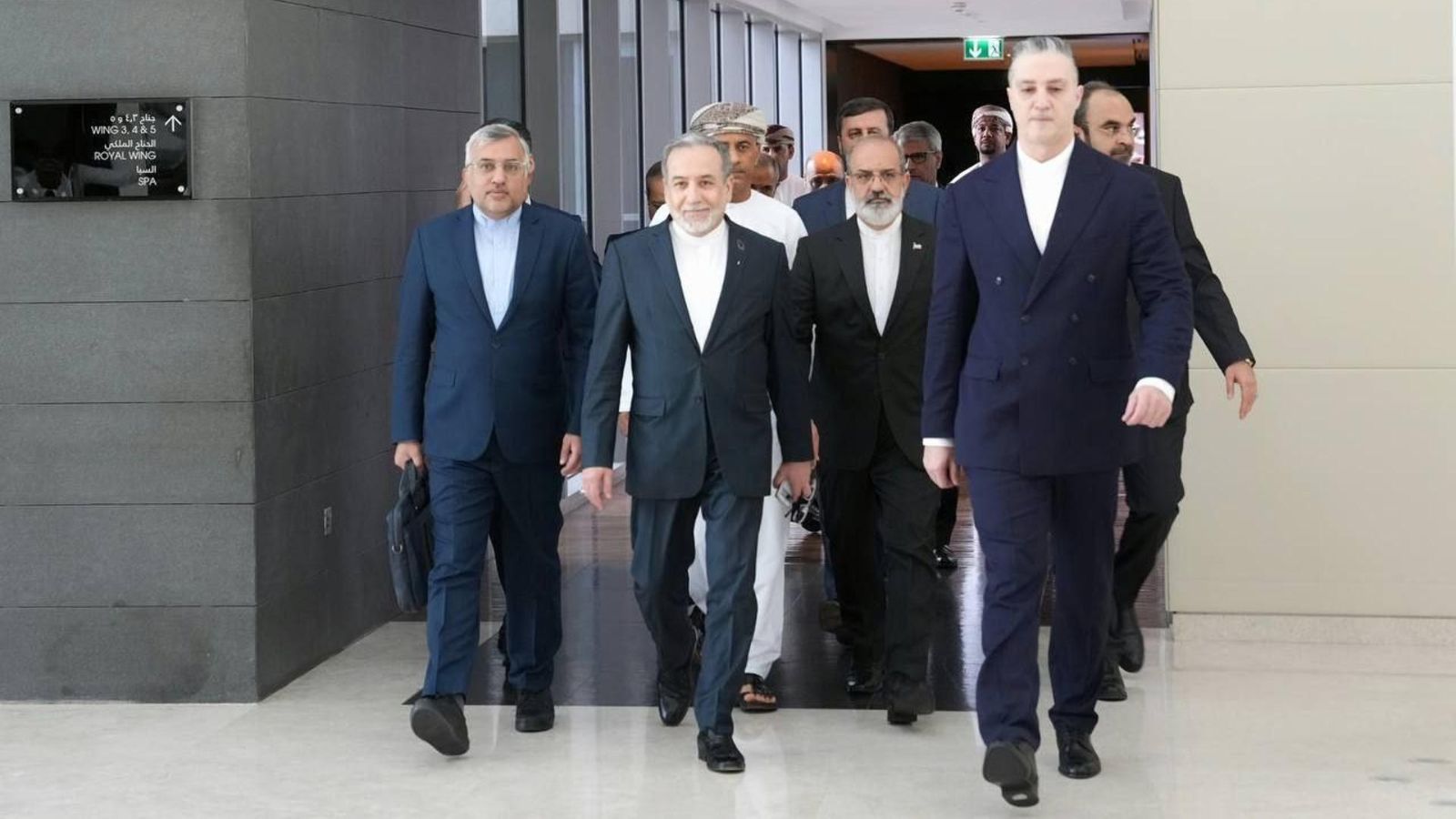
Iran confirmed this Sunday the holding of a second round of negotiations on the Iranian nuclear program with the United States scheduled for next Tuesday, in Geneva, following speculation in the American press regarding the talks.
Iranian Deputy Foreign Minister Majid Takht-Ravanchi announced in an interview with the British network “BBC”, in Tehran, the continuation of negotiations on Tuesday, and stated that “the ball is in the US court” and that, “if they are sincere”, an agreement could be reached.
“If the objective is an agreement, it is necessary to focus on the nuclear issue,” said Takht-Ravanchi, who ruled out zero enrichment in Iran, as American officials demanded, but reiterated that the Islamic country is willing to “examine compromises” on its nuclear program, “as long as Washington also starts talks on lifting sanctions.”
Tehran considers the complete suspension of uranium enrichment to be a “red line” and a violation of its rights under the Nuclear Non-Proliferation Treaty (NPT).
When asked if Iran would be willing to remove more than 400 kilograms of uranium enriched to 60% from the country — very close to the 90% needed for military use —, the Iranian diplomat replied: “It is still too early to say what will happen during the negotiations.”
Days earlier, the head of Iran’s Atomic Energy Organization, Mohammad Eslami, stated that Tehran could dilute uranium enriched to 60% if the US lifted all sanctions imposed on the country.
Takht Ravanchi also reiterated Tehran’s opposition to dialogue over its ballistic missile program.
“When we were attacked by the Israelis and Americans (in the 12-day war in June), it was our missiles that helped us. How can we accept being deprived of our defensive capabilities?”
These statements were made after United States President Donald Trump stated last Friday that a regime change in Iran would be “the best thing that could happen” and announced the sending of a second aircraft carrier to the Middle East as a measure of pressure on Tehran to sign an agreement.
Trump has repeatedly said he prefers a deal with Iran through diplomacy, although he has threatened military action if he fails.
Faced with these threats, Iran and the United States resumed, on February 6, indirect negotiations under the mediation of Oman, in their first meeting since the 12-day war between Tehran and Tel Aviv, in which Washington participated with the bombing of Iranian nuclear facilities.
Both parties classified the meeting as “good” and scheduled a new meeting “soon”, despite differences over the Iranian missile program and Tehran’s support for regional groups such as Hezbollah or Hamas, which Washington wants to curb and which Iran rejects.
Iran proposes economic benefits to the US
Iran has caused negative benefits to the United States as a result of an agreement in nuclear negotiations between the parties, Iranian Deputy Foreign Minister for Diplomacy and member of the negotiating team, Hamid Ghanbari, said on Sunday.
“To ensure that an agreement is sustainable, the US must benefit from high-yield and quick-return Iranian economic sectors,” said the deputy minister, as reported by the “Fars” agency.
The diplomat explained that the negotiations incorporated common interests in areas such as oil and gas, investments in mining and even Iran’s purchase of American aircraft. Furthermore, he highlighted that Iranian assets blocked abroad will also be part of the agreement and that their release “must be real and usable, not merely symbolic or temporary”.
Iran and the US will hold the second round of strategic negotiations next Tuesday in Geneva, after resuming indirect negotiations on February 6 in Oman, the country that acts as an intermediary.
When confirming the meeting, Iranian Deputy Foreign Minister Majid Takht-Ravanchi stated in an interview with the British network “BBC” in Tehran that “the ball is in the US court” and that, “if they are sincere”, an agreement could be reached.
“If the objective is an agreement, it is necessary to focus on the nuclear issue,” said Ravanchi, who ruled out zero enrichment of uranium in Iran and currently non-negotiable his country’s ballistic missile program as part of its defensive capability.
However, the diplomat reiterated that Tehran is willing to “examine commitments” on its nuclear program, “as long as Washington also begins talks about suspending assessments.”
https://beteiligung.amt-huettener-berge.de/profile/tarfatma637/
https://www.facer.io/user/rWNqTLovyG
https://www.hogwartsishere.com/1811419/
https://solo.to/tarfatma637
https://directmysocial.com/story5757509/minikmucize-com
https://architecture-jobs.architizer.com/profiles/7841564-fatma-mar
https://www.mobafire.com/profile/fatma-mar-1231089
https://longbets.org/user/tarfatma637/
https://www.nintendo-master.com/profil/tarfatma637
https://post.postjobsnow.com/profiles/7841576-fatma-mar
https://roomstyler.com/users/tarfatma637
https://espritgames.com/members/49908229/
https://openwhyd.org/u/697da3bb588e1b82161aa781
https://www.aleviforum.com/tarfatma637
https://www.spatial.io/@tarfatma637
https://buymeacoffee.com/tarfatma63t?new=1
https://zenwriting.net/mzwn08tztb
https://myapple.pl/users/533812-tarfatma637
https://codeberg.org/tarfatma637
https://notepin.co/write?id=hgqsldurybmvdfy
https://postheaven.net/lidtk0dhzv
https://rnmanagers.com/author/tarfatma637/
https://stepik.org/users/1184016095/profile
https://www.clickasnap.com/profile/tarfatma637
https://backloggery.com/tarfatma637