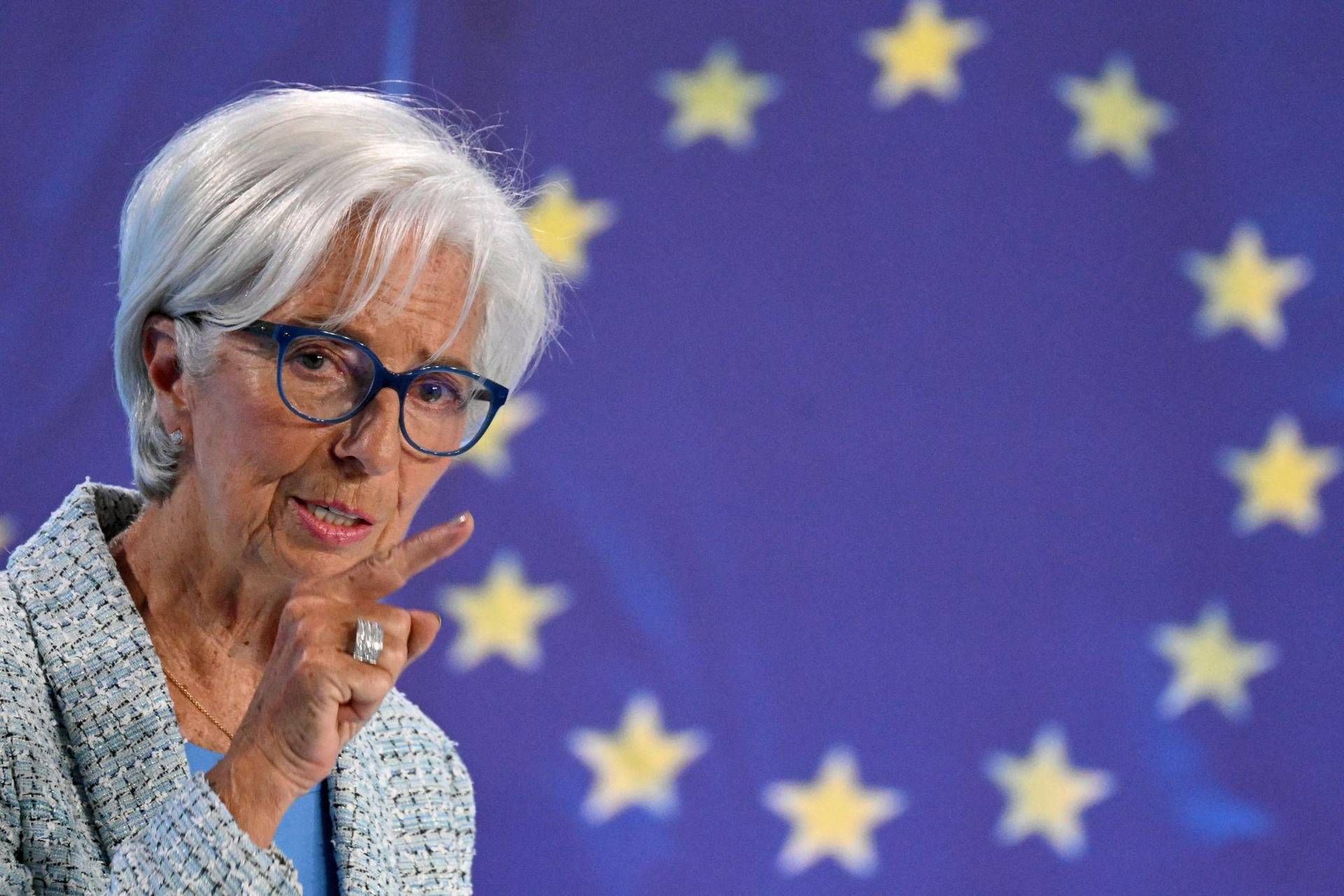
In recent years, “the euro area has had to face an exceptionally difficult context, with high inflation affecting both families and businesses. Now we can see, however, that Our efforts to reduce inflation have been effective“. Claims it ECB President Christine Lagardeat a hearing at the Econ commission of the European Parliament, in Brussels.
In Frankfurt “we continue to expect that inflation stabilizes at our target of 2% over the medium term. We have therefore decided to keep the ECB’s three key interest rates unchanged at the monetary policy meeting at the beginning of the month.”
“Looking ahead,” Lagarde reiterates, “we will continue to follow a data-driven, meeting-based approach to determining the appropriate monetary policy stance. In particular, our interest rate decisions will be based on our assessment of the inflation outlook and associated risks, in light of incoming economic and financial data, as well as underlying inflation dynamics and the transmission strength of monetary policy. We are not committed to a particular interest rate path in advance,” she says.
“Inflation – he underlines – has fallen significantly from the peak of 10.6% reached in October 2022. It fluctuated in a narrow range around 2% in the second half of last year and stood at 1.7% in January. The ECB’s decisive monetary policy response played a crucial role in bringing inflation back to the target level”.
However, he adds, “despite the decline in inflation, polls show that many citizens still perceive a faster rise in prices than official data suggests. This gap between measured and perceived inflation is not a mere statistical curiosity, but a historical and global regularity. And it has implications for economic decisions and for trust in institutions, trust that helps to anchor inflation expectations”, he underlines.
The ECB expects that food inflation, the increase in food prices that “from mid-2022 is higher” than the increase in consumer prices in general, “will continue to decline and stabilize slightly above 2% by the end of 2026”, it then says.
“What people buy – he explains – and the frequency with which they buy certain goods or services are important factors” in the perception of inflation, which is often different from real inflation, as measured by statistics. “The price trend of the most frequent consumer goods – he continues – tends to have a greater impact on perceptions than broader variations in the overall consumption basket. The dynamics of food product prices are particularly relevant in this regard”, he concludes.