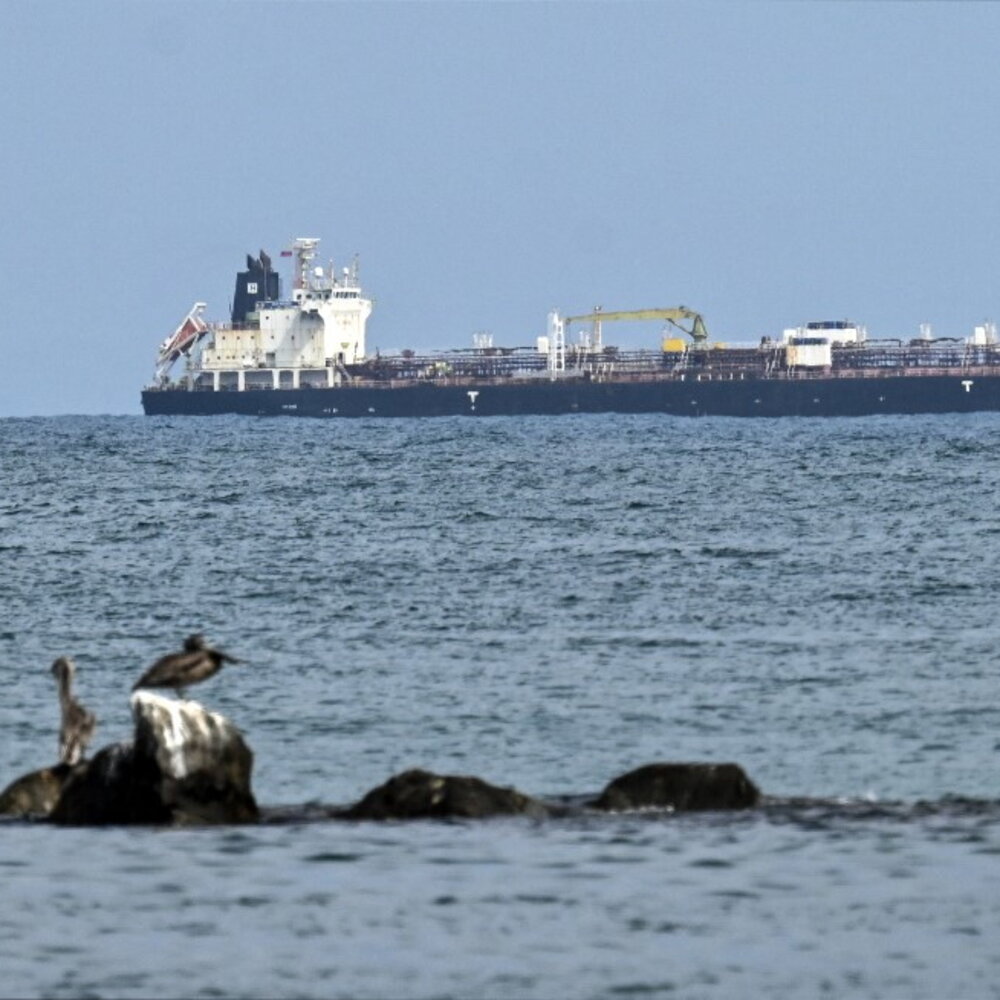
An oil tanker flying the Russian flag has reached Cuba after the President of the United States Donald Trump land made it possible to break the fuel blockade imposed by his administration on the island, at a time when the energy crisis on the island is worsening. The Russian Transport Ministry said the tanker Anatoly Kolodkin, carrying nearly 730,000 barrels of oil, arrived at the port of Matanzas, Cuba, on Monday.
Kremlin spokesman Dmitry Peskov confirmed the ship’s arrival in Cuba. Asked whether the US had agreed to the tanker’s passage, Peskov replied: “As for the American side, I can only confirm that the issue was indeed raised in advance during contacts with our US counterparts.”
In recent months Washington has intensified pressure on Cubacutting off supplies from its main oil supplier, Venezuela, and threatening other suppliers with additional tariffs, calling Havana “an extraordinary threat”. The blockage of oil supplies has caused rolling power blackouts and accumulation of waste in the capital, while hospitals struggle to admit patients and keep operating theaters open. Aboard Air Force One, Trump confirmed that the ship was headed to the Caribbean country.
“We have a tanker out there. We don’t mind someone loading a ship, because they have to survive too,” he told reporters. “If a country wants to send oil to Cuba right now, I have no problem. I’d rather let it in, whether it’s Russia or anyone else, because people need heating, cooling and all the other necessary things,” the president added.
Cuba stopped receiving oil from Venezuela, its main supplier, after the United States captured the President Nicolas Maduro in January.
Shipments from other countries, such as Mexico, were later stopped after theTrump administration threatened to impose additional duties on countries that supplied crude directly or indirectly. The blockade has caused increasingly widespread and prolonged blackouts and, as a result, has impacted both the economy and services, from hospitals to public transport.
https://bwin-casino.be
https://robocatcasinogr.gr
https://psk.casino
https://wolfy.casino
https://januszcasinos.pl
https://myempire-gr.gr
https://xn--weiss-kaszin-cib.com
https://robocatgreece.gr
https://januszcasino-pl.pl
https://3reyes-mexico.com
https://myempiregreece.com
https://weiss-hu.com
https://lemon-pl.pl
https://weiss-casino.bet
https://melstroycasino.org
https://spincasino-mexico.com
https://lemonkasyno-pl.pl
https://feniksscasino-lv.com
https://fenikss-casino-lv.com