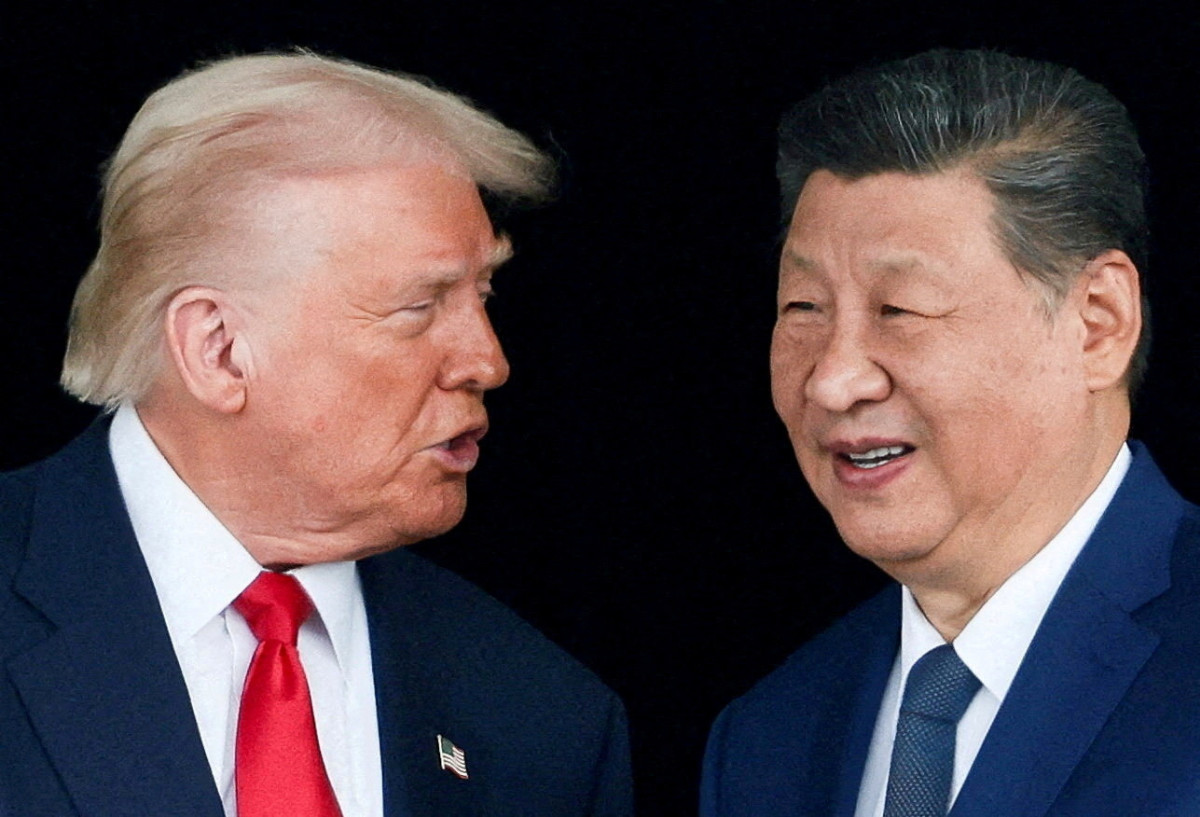
The ceasefire reached after six weeks of fighting remains fragile, despite diplomatic signals from Washington, Tehran and Islamabad that the meeting between the delegations is expected to take place. Against the background of distrust, Iran’s ambassador to China publicly expressed hope that Beijing could serve as a promising factor in the process.
This proposal came after reports that China was in contact with both sides as part of efforts to achieve a ceasefire. However, the Chinese Foreign Ministry refrained from giving a clear commitment, and contented itself with a general call to resolve the conflict through dialogue, while promising to continue contacts with all parties involved.
This approach reflects China’s broad operating pattern in the conflict: exerting influence while avoiding direct commitment. Although Beijing maintains economic ties with Iran, continues to purchase oil from it and supports certain aspects of its economy under pressure – but does not provide the deep strategic support that Tehran would request in a crisis.
interests above all
When the war broke out at the end of February, China enjoyed a relative ability to absorb the initial shock, thanks, among other things, to strategic reserves, increased use of domestic energy and extensive coal resources. At the same time, it became clear that Iran was able to survive the opening attacks. At the same time, China’s regional strategy is increasingly leaning towards the Gulf states, which reinforces its preference to maintain a balance and not be fully tied to one side.
The current conflict has also created opportunities for China. Shifting American resources and attention to the Middle East has reduced pressure on Beijing in the Indo-Pacific arena, providing information on the US military’s operating patterns and capabilities.
However, these benefits depend on the confrontation remaining limited. Widespread escalation or prolonged war could damage the Chinese economy, which relies heavily on exports. A decrease in global demand and disruptions in supply chains could undermine one of the pillars of the economy. In addition, the worsening of the situation will oblige China to deal with the issue of the security of hundreds of thousands of its citizens in the region, including the possibility of evacuation.
US Vice President Vance on the talks in Pakistan | Photography: None
delicate balance
Against this background, China chose to take measured steps: on the one hand, it vetoed a proposal in the Security Council that could have legitimized the continued attacks against Iran, and on the other hand, it helped open a diplomatic channel to get out of the crisis. This conduct highlights the limits of Beijing’s influence. China is able to influence processes at critical moments, but does not aspire to serve as a security provider or take full responsibility for the stability of the region.
In the end, its goal is not a complete solution to the crisis, but the management of its consequences. As long as this balance is maintained, China will continue to be an influential player in the Middle East – but one that operates carefully and within clear limits.
https://pantip.com/profile/9307777
https://hackmd.io/@NealFoster/HJC7P6wibx
https://blogfreely.net/nealfoster/el-sitio-web-crucerofiordosnoruegos-es-una-plataforma-especializada-en-la
https://secondstreet.ru/profile/Neal_Foster/
https://luvly.co/users/Neal_Foster
https://tspeaking.boardhost.com/viewtopic.php?pid=8750#p8750
https://webanketa.com/forms/6mv3cdhq6cqk2e1n60tkge34/
https://mycomputer.boards.net/thread/938/cruceros-fiordos-noruegos
https://www.dnnsoftware.com/activity-feed/my-profile/userid/3304877
https://www.uscgq.com/forum/posts.php?forum=&id=682876
https://www.gaiaonline.com/profiles/neal_foster/50660203/
https://www.okaywan.com/home.php?mod=space&uid=787262
http://bbs.sdhuifa.com/home.php?mod=space&uid=1094877
https://heavenssakes.proboards.com/thread/1034/cruceros-fiordos-noruegos
https://metaldevastationradio.com/neal-foster
https://htmlforums.net/members/neal_foster.16159/#about
https://postheaven.net/p7xf6js3iz
https://promosimple.com/ps/47782/cruceros-fiordos-noruegos
https://invisioncommunity.com/profile/645866-neal_foster/tab-field_core_pfield_23/
https://community.wongcw.com/Neal_Foster
https://moneyfx.boardhost.com/viewtopic.php?pid=73733#p73733
https://airvent.kz/user/Neal_Foster/
http://muzikspace.com/profiledetails.aspx?profileid=133349
https://balaken.info/user/Neal_Foster/
https://grigzzy.freeforums.net/thread/250/cruceros-fiordos-noruegos