Two Swiss tourists swimming in Australia were suddenly attacked by a shark, leaving one dead and the other seriously injured.
On the morning of November 27, Olivia Mulheim, 25 years old, and her boyfriend Lucas Schindler, 26 years old – both Swiss – were attacked by a shark while swimming off Kylies Beach in Crowdy Bay National Park. The two intentionally went out to sea to film dolphins but were suddenly attacked by a shark.
Schindler was seriously injured in his leg but still tried to chase away the shark and pull his girlfriend to shore. After that, people at the beach used swimming trunks to tie Schindler’s leg to stop the bleeding. And his girlfriend died. Schindler was taken by helicopter to John Hunter Hospital for emergency treatment, and his health is now stable. Schindler is a marathon enthusiast, but doctors are concerned he will not be able to move normally after this injury.
“Everyone talks about it, it’s terrible,” said one local resident. “My kids were camping here last week, swimming. I can’t imagine how everyone is feeling,” said another.
Schindler when participating in the running race. Image: Nightly
The day after the tragedy, beaches on Crowdy Bay were reopened. Rescue teams used drones to scan the coast but did not find the shark. The beach management board said that with rising temperatures, a large number of tourists are expected to arrive on the weekend.
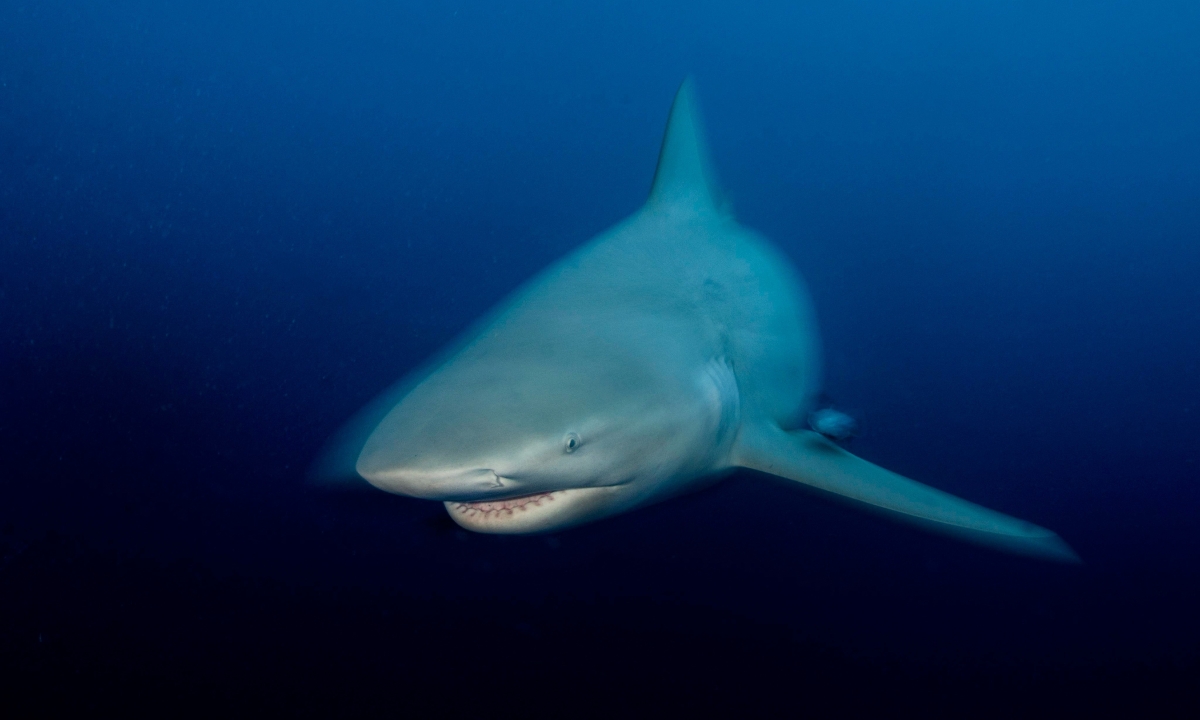
Experts believe an adult bull shark, about 3 meters long, attacked Mulheim and Schindler. Their camera may have captured the moment the shark attacked.
Inspector Kirran Mowbray said the shark attacked Mulheim first and Schindler did everything he could to bring them both to shore, while continuously screaming for help.
Dr. Brianna Le Busque, an environmental science and psychology researcher from the University of South Australia, was shocked to hear about this double attack. She worries that the attack will cause a revenge mentality like the movie Jaws.
“It had many similarities with the movie Jaws and many people had the idea to catch the shark immediately. Maybe it felt threatened so it attacked two people at the same time,” she said.
A bull shark. Image: 7News
Rob Harcourt, Emeritus Professor of Marine Ecology at Macquarie University, said a double attack by a shark was “unusual” but could still happen when it was hunting, trying to block an opponent.
Bull sharks are one of the three most dangerous species to humans, alongside great white sharks and tiger sharks. They are especially aggressive, have extremely high testosterone levels, live in both fresh and salt water, so they often swim hundreds of kilometers up rivers.
Bull sharks are more likely to attack humans than other species because they prefer to hunt in murky, shallow water near the shore. In Australia, most fatal attacks in warm waters such as Queensland and New South Wales are caused by bull sharks.