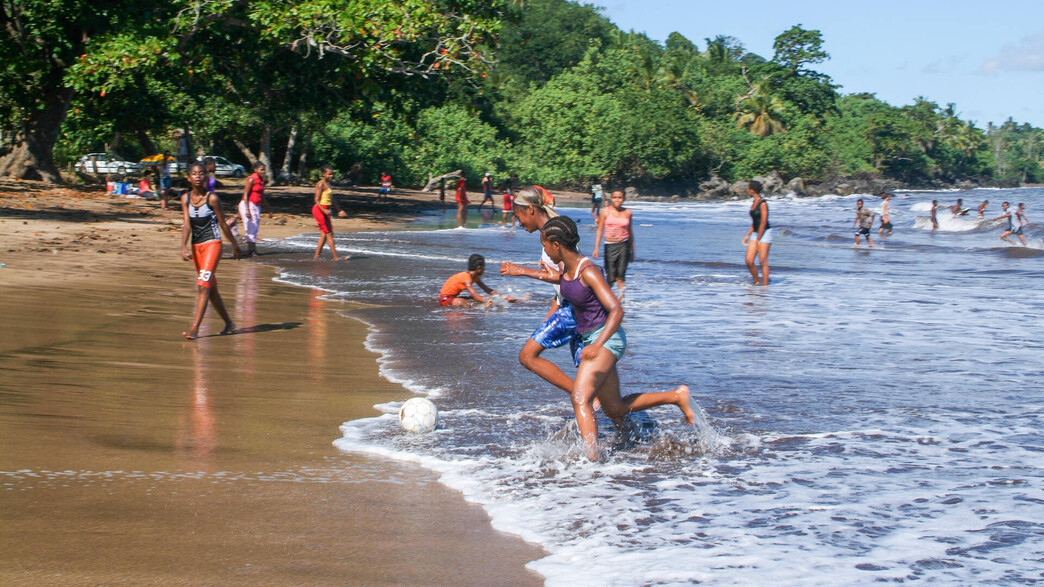
Turquoise lagoons, coral reefs bustling with life, ylang-ylang and vanilla plantations, and long white sand beaches where sometimes there is almost no living soul. It sounds like a distant island country, but in fact it is a territory belonging to the European Union. This is Mayotte, one of the most surprising destinations in Europe.
The island of Mayotte lies in the Indian Ocean, between Madagascar and Mozambique, and became an official part of the European Union only in 2014. As a French overseas territory and as the 101st arrondissement of France, Mayotte illustrates how far the borders of Europe can reach.
Europe in the heart of the Indian Ocean
Geographically, Mayotte belongs to the Comoro Islands archipelago, and consists of two main islands: Grand-Terre and Petit-Terre, as well as several other small islands. Grand-Terre is the larger island, and is characterized by a volcanic landscape, fertile hills and Mount Benara, which rises to a height of 660 meters. Petite-Terre is much smaller, but it is home to the Dzaudzi-Pemanzi International Airport, as well as many government institutions.
The islands are located at the northern entrance to the Mozambique Channel, a strategic sea route connecting Asia and East Africa. Thanks to its location, Mayotte plays an important role in France’s presence in the region, with French naval forces overseeing an extensive maritime economic zone.
Despite the great distance, almost 8,000 kilometers from central Europe, visitors enjoy a familiar European comfort: the official currency is the euro, and EU citizens can enter with only an ID card.
The most beautiful lagoon in the world
Mayotte’s greatest natural treasure is its lagoon, one of the largest enclosed lagoons in the world. Its area is about 1,500 square kilometers, and it is protected by a rare double reef system, which extends along almost 200 kilometers. Extremely clear water, depths reaching up to 80 meters and extraordinary biological diversity make the place a popular destination for nature and diving enthusiasts.
Over 760 species of fish and 250 types of coral live in the lagoon, alongside sea turtles and rare dugongs that feed on sea grass mats. Since 2010, the area has been declared a marine nature park, and in recent years there has been a significant decrease in illegal fishing, alongside successful projects to restore damaged coral reefs.
Even on land Mayotte offers extraordinary biological wealth. Dense forests provide a home for endemic species such as Mayotte’s chameleon and the native white-eyed bird, and about half of the island’s plant species do not exist anywhere else in the world.
between Africa and France
Despite its French affiliation, Mayotte’s cultural identity is deeply rooted in African, Malagasy and Islamic traditions. About 98 percent of the island’s residents are Muslim, and daily life is influenced by calls to prayer, religious holidays, and strong community ties. At the same time, the educational and government institutions operate according to the secular principles of the French Republic.
The official language is French, but less than half of the approximately 250,000 inhabitants use it as their main spoken language. The dominant language is Shimaura, a dialect close to Swahili, and Kibushi, which has Malagasy roots, is also spoken alongside it. This multilingualism reflects the unique cultural mosaic of the island.
Traditional celebrations, such as the “big wedding” ceremonies and the Rambi festival, fill the villages with music, dance and colors. Many women wear slova, a traditional colorful dress, and decorate their faces with sindezno, a sandalwood paste that is used both as protection from the sun and as a symbol of beauty.
The city of Mochu, the capital of Mayotte, is the economic and cultural center of the island. The markets come alive in the early morning, when fishermen bring in fresh catches and stalls offer tropical fruits, spices and handicrafts. Cultural institutions such as the Mayotte Museum present the maritime history of the island, and the urban landscape combines mosques, colonial buildings and modern architecture.
Despite being part of the European Union, Mayotte remains a destination that is not flooded with tourists. The number of visitors hovers around 50,000 per year alone, and accommodation options range from hotels on the beach to simple guest houses and family accommodation. Many travelers appreciate the authenticity and the relatively slow pace of life.
Information for travelers in Mayotte
Getting to Mayotte is not easy: flights usually go through Paris and cost more than 1,000 euros. The number of lines is limited, a fact that contributes to preserving the island’s unique character. There are ferries operating within Miut connecting the two main islands, as well as car rental and local service taxis.
The climate is tropical and comfortable throughout the year, with temperatures ranging from 23 to 30 degrees. The dry season lasts from June to September, while January and February are the wettest months. The cyclone season lasts from December to April, so it is recommended to follow the weather warnings.