Many groups of tourists flocked to the remote village of Weldborough in Australia to find a “ghost” resort based on false information from an article using artificial intelligence.
On the website of tourism company Tasmania Tours, a post that has since been removed called on tourists to explore a “peaceful resort” called Weldborough Hot Springs. This hot spring is listed as one of the 7 best experiences in Tasmania 2026.
However, Weldborough has never had hot springs. Those hoping for a relaxing dip may be startled to discover that the only option includes the icy cold waters of the River Weld.
This article was published in July 2025. Since then, this remote area, a former tin mining village in northeastern Australia, has seen an influx of tourists looking for a non-existent destination.
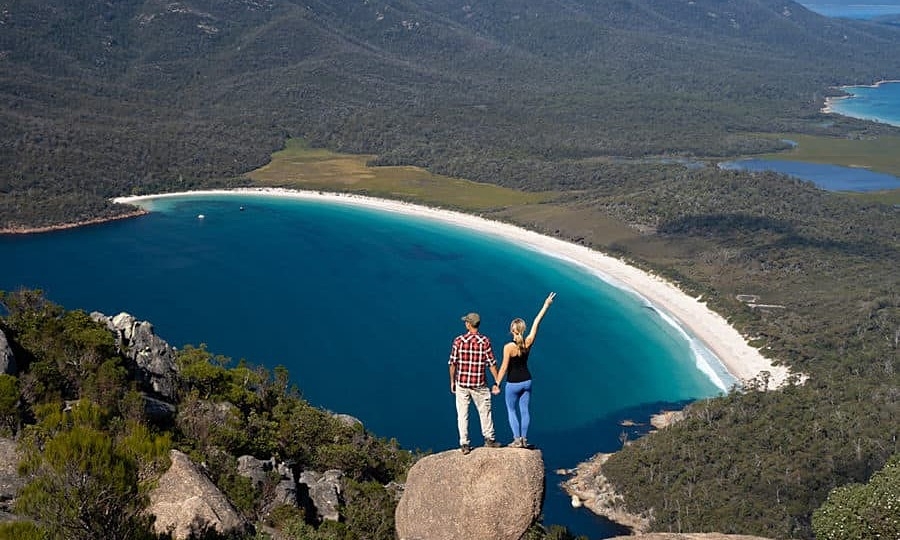
Nature in Tasmania. Image: Five clubs
“I met a group of 24 people who came here two days ago looking for hot springs,” said Kristy Probert, owner of a pub near the village. Probert told the group of guests that if they found that stream, to return to the pub, she would treat them to free beer all night. “But they didn’t come back,” the shop owner said.
In the article about the best experiences in Tasmania, Weldborough Hot Springs “ghost” hot springs are ranked alongside real spots such as the caves and Hastings mineral springs.
Tasmania Tours has published numerous articles and blogs about “can’t miss” destinations, with clear signs written by AI. Using AI for content marketing is not a surprise to the tourism industry, as many large corporations around the world praise the benefits of using this artificial intelligence.
For small businesses, like Tasmania Tours, the strong rise of AI puts them under pressure to adopt similar tools to avoid falling behind.
“We’re trying to compete with the big guys, which means constantly having to refresh and update content,” said company owner Scott Hennessy.
He said Tasmania Tours outsources marketing to a third party, which uses AI to produce content. Normally, the company censors all posts before posting, but some were published “by mistake” while he was abroad.
It’s not the first time AI has caused misunderstandings for tourists. Last year, two tourists in Peru set out to find the “sacred canyon of Humantay” in the Andes. Everything only stopped when a local tour guide accidentally learned about their story and tried to stop it.
Similarly, two tourists used ChatGPT to plan a romantic sunset mountain climbing trip in Japan. When they reached the top, they discovered that the AI had incorrectly provided the operating hours of the cable car down the mountain, leaving them both stranded at night.
A survey of Booking.com shows that 89% of consumers want to use AI for future travel planning. AI assistants are now considered more trustworthy sources of information than travel bloggers or social media influencers.
As AI becomes more widespread, the risk of misinformation about tourism could continue, causing many travelers to only discover “ghost sites” like Weldborough Hot Springs after they have arrived.