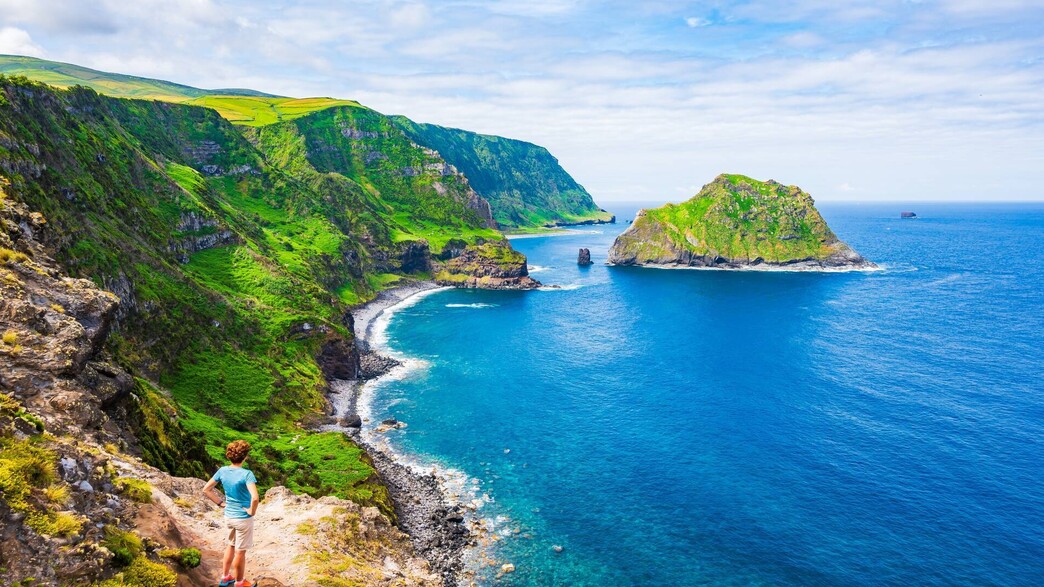
In an age of “over-tourism”, the dream of finding a quiet and isolated piece of land is becoming more and more distant. But nevertheless, scattered across the shores of Europe are hidden islands that offer everything you need to escape the hustle and bustle, a place where time stands still, and nature sets the pace. From volcanic islands to sunny beaches, here are six European islands that guard the quietest corner of the continent and invite you to enjoy them.
1. Heimaey, Iceland: Pompeii of the North
Heimaey, located in the Vestmannaeyjar archipelago on the south coast of Iceland, is a spectacular island with a history that has been etched into memory by a natural disaster. In 1973, a sudden volcanic eruption almost buried the island, but its inhabitants managed to save it by watering the lava with sea water. Today, tourists come to Himai not only to witness its natural beauty but also to be impressed by the largest colonies of puffin birds in the world. While during the Þjóðhátíð festival in August the island can be noisy and full of visitors, most of the time it is a quiet and peaceful place with black sand beaches, green cliffs and secluded paths offering spectacular views.
What to do: Climb Mount Aldfell, the volcano formed in the 1973 eruption, and visit the Aldheimar Museum which tells the history of the eruption.
How to get there: 35 minutes by ferry from Landeyjahöfn harbor on the south coast of Iceland.
2. Rachlin, Northern Ireland: legends and towers
Rathlin Island lies off the coast of Northern Ireland and offers powerful nature and a fascinating maritime history. Only about 150 residents live on the island, so it maintains an intimate and quiet atmosphere. It is known to be home to many colonies of seabirds, including puffins, guillemots and razorbills. Those who love diving can also enjoy here and explore the HMS Drake ship from World War II that lies in the depths of the sea.
What to do: Visit the Ratlin West Lighthouse, a unique lighthouse where the light is at the bottom of the structure, wander among the walking tracks, and try diving.
How to get there: By ferry of 25-40 minutes from the town of Ballycastle.
3. Scheermoennikog, Netherlands: The Island of Silence
The island of Schiermonnikoog lies in the Wadden Sea, in the northern part of the Netherlands, and offers a secluded and calm place. The whole island is a nature reserve, and it has the widest sandy beaches in Europe. Only about 1,000 residents live there, and the island maintains harmony with nature, as tourists can walk around it without vehicles. Schiermonnikog offers nature lovers spectacular hiking trails, mountain bikes and a lot of quiet.
What to do: Walk around the wide beaches of the island, join tours on the beaches during low tide, and ride a bike on the island’s trails.
How to get there: 45 minutes by ferry from the village Laversoch (Lauwersoog).
4. Flores, Azores, Portugal: the edge of Europe
Flores is one of the wildest islands in the Azores archipelago, located in the western Atlantic Ocean. The island, which is a UNESCO World Heritage Site, offers spectacular natural phenomena such as volcanic crater lakes, impressive waterfalls and the wild beauty of green volcanic cliffs. Flores is an ideal place for nature lovers and those who enjoy hiking, with hiking trails suitable for all levels of difficulty.
What to do: Explore the Poço da Ribeira do Ferreiro waterfall, where many waterfalls descend from green cliffs into a lake, and visit the crater lakes.
How to get there: Flight from the island of Sao Miguel or Terchira in the regions. There are no direct flights from mainland Europe.
5. Tyree, Scotland: Hawaii of the North
Tiree is the sunniest island in Great Britain, and it is located in the Inner Hebrides. It has white sandy beaches and winds that are suitable for water sports such as windsurfing. Tiree, with a population of about 800 inhabitants, maintains a quiet and calm atmosphere, and offers everything you need to get away from the hustle and bustle of the city.
What to do: Try windsurfing and enjoy the quiet beaches of Goth Bay and Albulin.
How to get there: By four-hour ferry from the town of Oban or by a one-hour flight from Glasgow.
6. Lastovo, Croatia: The Emperor’s Asylum
Lastovo, an island in the Adriatic Sea, offers the beauty of Croatia without the tourist hustle and bustle. Until the 1990s, the island was a closed military base, a fact that helped keep it away from the country’s rapid development. Today Lastobo is a place where you can enjoy rich nature reserves, clear skies and visit the various sites of the island.
What to do: Walk in the pine forest that surrounds the island, look for its unique chimneys, and watch the stars in one of the cleanest skies in Europe.
How to get there: By ferry of 3-5 hours from the city of Split (Split).