There are days when the fridge is full, the groceries are in the pantry, yet the last thing you feel like doing is cooking. Not because of laziness but because of a feeling of pressure, whether because of a security situation, or because of a very busy week at work, a baby that joined the family or simply a day when everything is heavy and difficult.
In situations of stress and anxiety, the body enters a well-known biological survival mechanism known as “fight or flight”. In such a situation, stress hormones such as cortisol and adrenaline are released, which change the feeling of hunger and sometimes also the choice of food. Stress can reduce mental references, disrupt attention and organization, and at the same time also change the desire to eat and the types of food that are attracted to them. This is not a weakness of character. This is a completely natural reaction. The important question these days is not only what to eat, but how to prepare a meal when there is no energy to cook. And the good news is that there is a simple nutritional approach that works in just this situation.
The trap of the ultra-processed food
As mental fatigue increases, the temptation to turn to ultra-processed food increases. Snacks, sweet and salty pastries and frozen prepared meals are seen as an easy and quick solution, but from a nutritional point of view they may be the worst choice precisely at a time when the body needs resilience. Beyond what ultra-processed foods do not have, such as significant nutritional values, one must also take into account what is in them, usually relatively high amounts of salt, sugar, fat or both, both. Ultra-processed food products adversely affect the microbiome – the friendly bacteria in the gut, and may increase inflammatory processes in the body. At a time when the immune system and mental stability are especially important, this is not always the best choice.
The Food and Agriculture Organization of the United Nations (FAO) and the World Health Organization (WHO) emphasize in their guidelines for nutrition in emergency situations the importance of basic and simple foods, which are preserved over time and require minimal preparation, such as legumes, eggs, dairy products, canned fish, nuts, whole grains, fruits and vegetables. This recommendation, based on simple and readily available foods, makes it possible to put together nutritious meals even without starting to cook.
Forget recipes
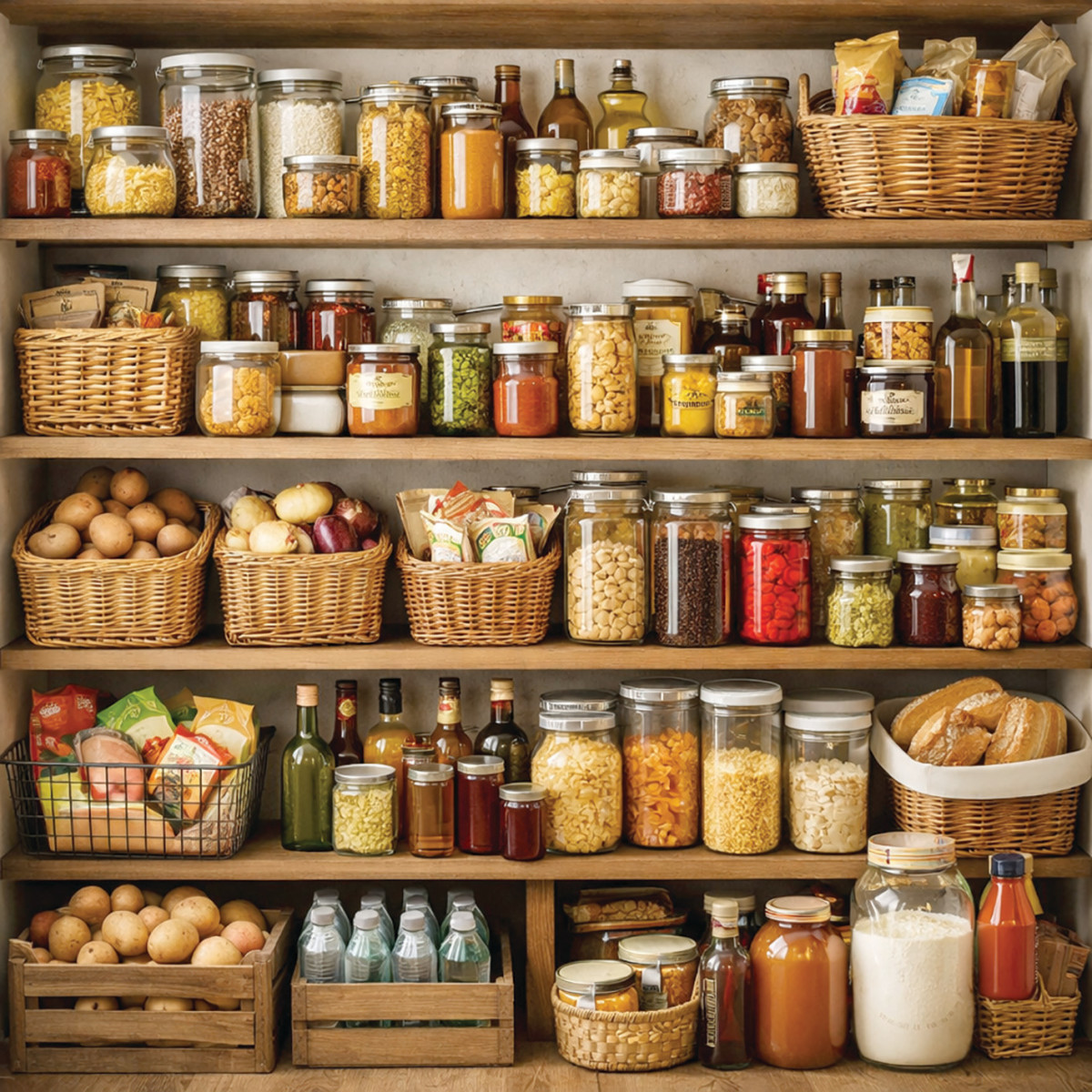
Instead of asking what to prepare, you can ask a completely different question: what does a meal consist of that provides the body with what it needs. A simple meal can be based on a combination of three basic ingredients: a source of protein, a source of carbohydrates and vegetables or fruits. When these three ingredients are on the plate, you get a satisfying and balanced meal even without cooking. On particularly busy days, one of the things that eases dealings around food is a kitchen that is prepared in advance. When there are basic foods available at home, you can put together a nutritious meal in minutes even on a day when you don’t feel like cooking.
In the pantry, you should keep canned fish such as tuna, mackerel or sardines, which provide high-quality protein and important vitamins such as B12, as well as a variety of legumes in cans or cartons such as chickpeas, lentils, lupine and beans, which can be easily incorporated into salads. Legumes are another excellent component in quick meals. They provide a high amount of vegetable protein and dietary fiber that contribute to prolonged satiety. Combining legumes with grains such as bread, corn or rice creates a nutritionally higher quality protein. Still in the pantry, whole grains such as corn kernels without added sugar or corn cobs in vacuum packaging. A ready-to-eat vegetable is a boiled, peeled, vacuum-packed beetroot, which is always good to have at home. Along with those in boxes, a selection of nuts and almonds are also suitable, which provide monounsaturated fats that contribute to heart health. A bag of oats (Quaker), can enrich a portion of yogurt with fruit.
There should always be eggs in the fridge. They contain high-quality protein that includes all nine essential amino acids, vitamin 12B, vitamin A and vitamin D, and minerals including zinc and selenium. You should always have several hard-boiled eggs, so that the eggs are ready to eat, you just need to peel them. Also several cups of natural yogurt, which are a good source of protein and calcium. The yogurts can be enriched with cucumber and dill or cut fruit.
It is recommended to keep frozen vegetables such as broccoli, cauliflower or spinach in the freezer. They will have an advantage in that they are frozen near the time of picking, so their nutritional values are well preserved. Sometimes they are nutritionally better preserved than fresh vegetables that have been transported and stored for days. In addition, make sure that there is also a whole loaf of sliced bread in the freezer.
When these foods are at home, it is much easier to put together a simple, nutritious and satisfying meal in minutes. A quick meal doesn’t have to be sophisticated. A simple combination of a protein source, a carbohydrate and a vegetable or fruit can certainly be enough. For example: a sandwich with cheese or tuna or a hard-boiled egg and cut vegetables. Another option is natural yogurt with nuts and fruits or a salad with chickpeas and wholemeal bread that can easily be turned into a delicious, satisfying meal that provides essential nutrients, without cooking.
In times when reality itself is less stable, food also plays an important role in maintaining the body and a sense of routine. It not only provides energy to the body, but also restores a sense of order and control in a day full of worries. On a day when events are accompanied by stress and uncertainty, a three-ingredient meal prepared in four minutes is not a concession – it is a smart nutritional decision.
https://wigantreeservices.ucoz.site/index/hedge_trimming/0-11
https://wigantreeservices.ucoz.site/index/wood_chipping/0-12
https://wigantreeservices.ucoz.site/index/lot_clearing/0-13
https://wigantreeservices.ucoz.site/index/tree_removal_price/0-14
https://wigantreeservices.ucoz.site/index/tree_pruning_price/0-15
https://wigantreeservices.ucoz.site/index/stump_grinding_price/0-16
https://wigantreeservices.ucoz.site/index/hedge_trimming_price/0-17
https://wigantreeservices.ucoz.site/index/wood_chipping_price/0-18
https://wigantreeservices.ucoz.site/index/lot_clearing_price/0-19
https://wigantreeservices.ucoz.site/index/social_media/0-20
https://wigantreeservices.ucoz.site/index/business_listings/0-21
https://penzu.com/p/bb522c4258333429
https://penzu.com/p/2dc641de7e473449
https://penzu.com/p/a0711edc261df5ab
https://penzu.com/p/bd9da8ea94e3717d
https://penzu.com/p/298c29854bdcc29a
https://penzu.com/p/a22d4a137b93070a
https://penzu.com/p/ab390784cd4d5f92
https://penzu.com/p/34dd3d6f440923f5
https://penzu.com/p/39e350a1c16ff694
https://penzu.com/p/559f819088004ea5
https://penzu.com/p/b5d12f7a78582ee3
https://penzu.com/p/be4f9267ad3e3125
https://penzu.com/p/136334fc99c41534
https://penzu.com/p/059de6ce04ba1c95