The economic situation in Austrian industry (450,000 employees) remains tense. What was interpreted as a cautious recovery just a few months ago is threatening to tip over again due to geopolitical uncertainties, high energy prices and structural problems.
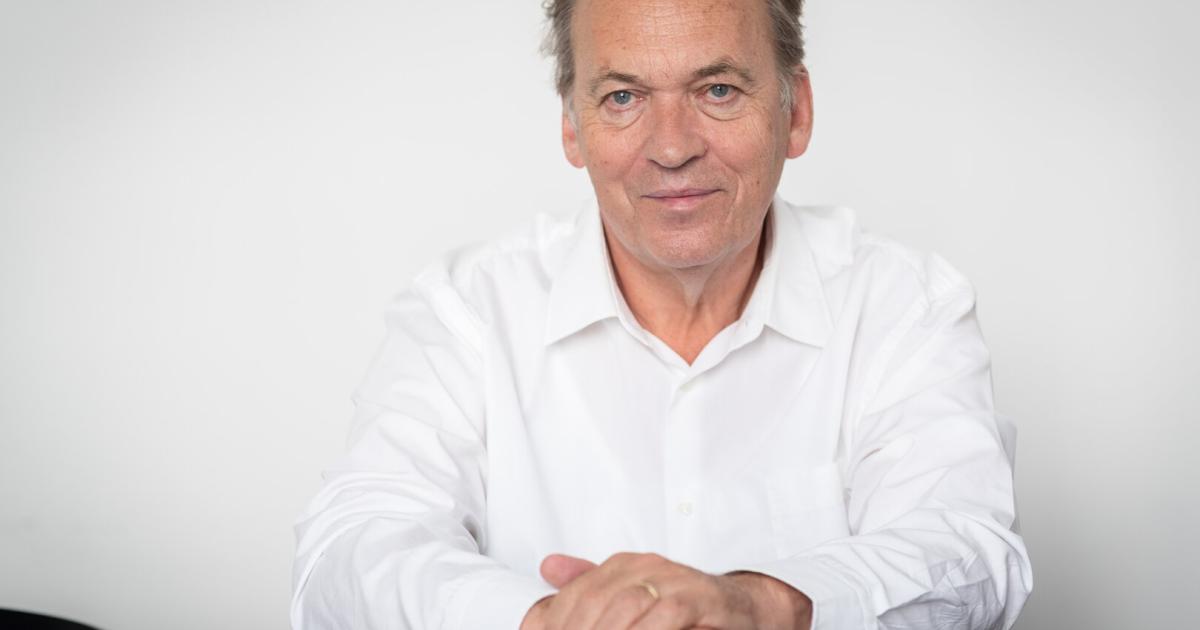
“Crises are apparently the new normal,” warns Siegfried Menz, federal branch chairman for industry in the Austrian Chamber of Commerce (WKO). “The industry is on shaky ground.” Nominally, the production value of the 16 specialist associations increased by three percent to 209 billion euros in 2025, but the losses from previous years could not be compensated. “In reality, Austria’s industry remains well below its performance level, we have to drive with the handbrake on,” says Menz.
“Not a fun environment”
The current forecasts paint a sobering picture. Instead of the hoped-for growth of more than one percent, only 0.5 to 0.9 percent is expected this year. For 2027, estimates vary between 0.9 and 1.3 percent – assuming there are no further external shocks.
“These are not fun conditions,” says Menz. The focus of the industrial policy demands is once again the reduction of non-wage labor costs. At around 43 percent, Austria is well above the German level of 38 percent. An adjustment would mean a relief volume of around ten billion euros.
An analysis by EcoAustria shows the potential there is: A reduction of 7.5 billion euros could create around 40,000 additional jobs and increase private consumption by 1.5 percent. “A large part of this measure would be self-financing,” argues the industry official.
Deletion without replacement
Specifically, the industry is calling for the employer contribution to the FLAF family burden equalization fund to be canceled without replacement and for financing to be provided through the public budget. In addition, Menz advocates a comprehensive package of measures to finance the labor market, including a reduction in unemployment insurance contributions by one percentage point. The equal structure of employer and employee contributions as well as an increase in the retirement age must finally be discussed openly.
“We have been putting off this debate for years,” criticizes Menz. “The retirement age must be adjusted to the longer life expectancy. There is no way around it.” He has the Danish model in mind. In Denmark, the retirement age will gradually be raised to 70 by 2040.
500 million euros
Menz also criticizes the planned tax on plastic packaging, which is intended to counter-finance the reduction in VAT on food. “I think it’s absurd to levy a tax on recycled plastic,” says the WKÖ official. When it comes to non-recycled plastic, people understand this.
Another stress factor remains energy. The electricity price compensation for 2025 and 2026 is limited to 75 million euros each and is not enough. Energy-intensive sectors such as the glass and wood industries in particular would have to be included. The planned industrial electricity price from 2027 is worth 250 million euros. He is calling for an increase to at least 500 million euros.
https://beckerrecords.us/criminal-records
https://beckerrecords.us/divorce-records
https://beckerrecords.us/inmate-search
https://beckerrecords.us/property-records
https://beckerrecords.us/warrant-search
https://bedfordrecords.us/
https://bedfordrecords.us/arrest-records
https://bedfordrecords.us/court-records
https://bedfordrecords.us/criminal-records
https://bedfordrecords.us/divorce-records
https://bedfordrecords.us/inmate-search
https://bedfordrecords.us/property-records
https://bedfordrecords.us/warrant-search
https://belknaprecords.us/
https://belknaprecords.us/arrest-records
https://belknaprecords.us/court-records
https://belknaprecords.us/criminal-records
https://belknaprecords.us/divorce-records
https://belknaprecords.us/inmate-search
https://belknaprecords.us/property-records
https://belknaprecords.us/warrant-search
https://belmontrecords.us/
https://belmontrecords.us/arrest-records
https://belmontrecords.us/court-records
https://belmontrecords.us/criminal-records