Apple is said to be planning to adjust the price of the iPhone 17 in the coming weeks instead of waiting until the new generation launches in September.
Last week, Apple CEO Tim Cook told WSJ about the pressure of rising costs of components such as memory chips and hard drives, making the company no longer able to compensate for itself, so price increases are “inevitable”. He compared the memory shortage to a once-in-a-hundred-year cataclysm. “In more than 40 years of work, I have never seen anything similar in any field,” he said.
Expert Mark Gurman’s Bloomberg According to the opinion, Tim Cook chose this time to “prevent” showing that the price increase is actually near. The adjustment will likely be conducted to coincide with Apple’s annual Back to School promotion for pupils, students and teachers at the end of June.
In the same opinion, famous “gossip expert”. Ice Universe also said that the price increase “is not a story of autumn”. Meaning, users may have to buy iPhone 17 models at higher prices in the coming weeks, instead of waiting until the iPhone 18 is released in mid-September.
Besides iPhone, other product lines such as iPad and Mac computers are also expected to soon enter a new adjustment period.
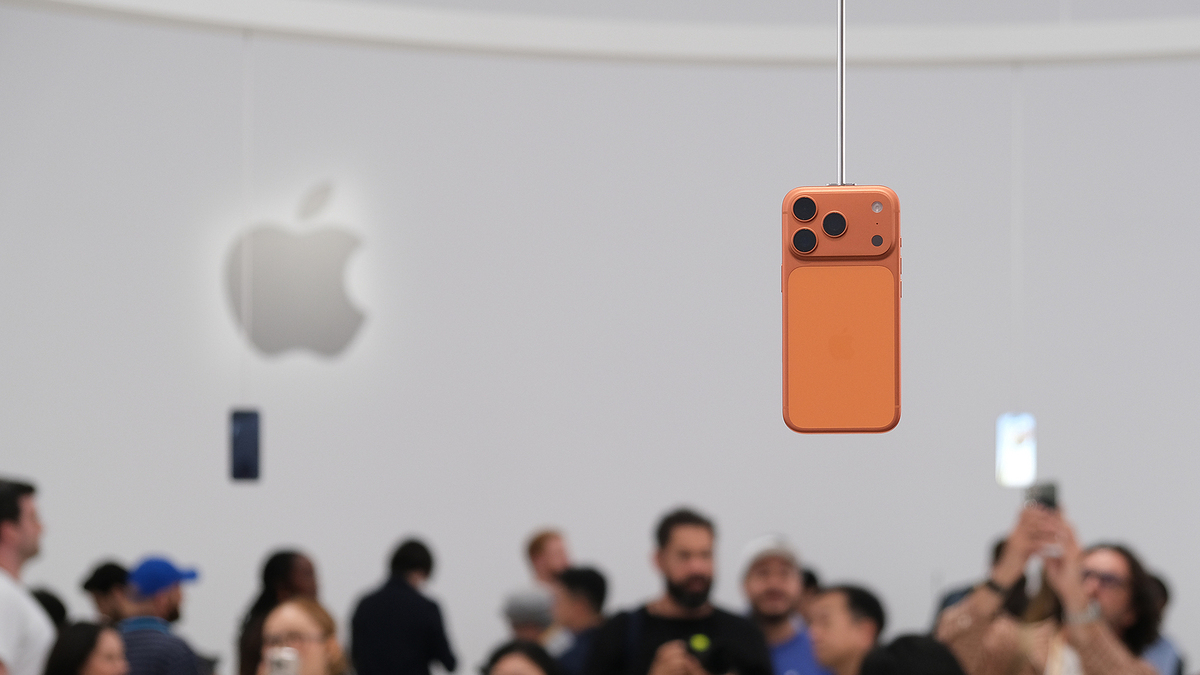
iPhone 17 Pro and 17 Pro Max at the launch ceremony at Apple Park. Image: Tuan Hung
Before Apple, a series of technology giants such as Samsung, Microsoft, Sony, and Dell all raised product prices. The adjustment stems from the global shortage of DRAM memory chips and NAND flash memory – components found in most mobile devices.
Theo Tom’s Hardwarethe cause of the prolonged crisis is the huge demand from AI data centers. Modern systems require large amounts of high bandwidth memory (HBM) to continuously feed data to the GPU. HBM has very high profit margins, so manufacturers are devoting production, investment and technical resources to this segment. This means they are reducing their focus on conventional DRAM memory, leading to a shortage in supply for computers, servers, and mobile devices.
In the first quarter 2026 financial report dated April 30, Mr. Kim Jaejune, leader of Samsung’s memory chip segment, said that the memory crisis will not end in 2027. The gap between supply and demand next year may even widen even more than in 2026. Similarly, Mr. Chey Tae Won, President of SK Hynix, said that the pressure on memory demand related to AI will last until 2030.