The Oil prices are in early trading on Monday due to the further worsening Iran war rose again. The price for a barrel (159 liters) of the North Sea variety Brent for delivery in September climbed by up to almost four percent on Monday night to $91.42 (79.95 euros) and thus to Above the $90 mark for the first time since the beginning of June. The Brent price could not quite maintain this level. It was last at $90.20.
Since the beginning of July, the global oil reference grade has increased in price by almost 30 percent. This was also reflected at the local petrol pumps. While the Austrian median for diesel was 1.72 euros per liter on July 1st, it stood at 1.919 euros per liter on Sunday (July 19th), as current data from E-Control shows. The median for premium gasoline climbed from 1,669 euros to 1,794 euros per liter.
Worry about further escalation
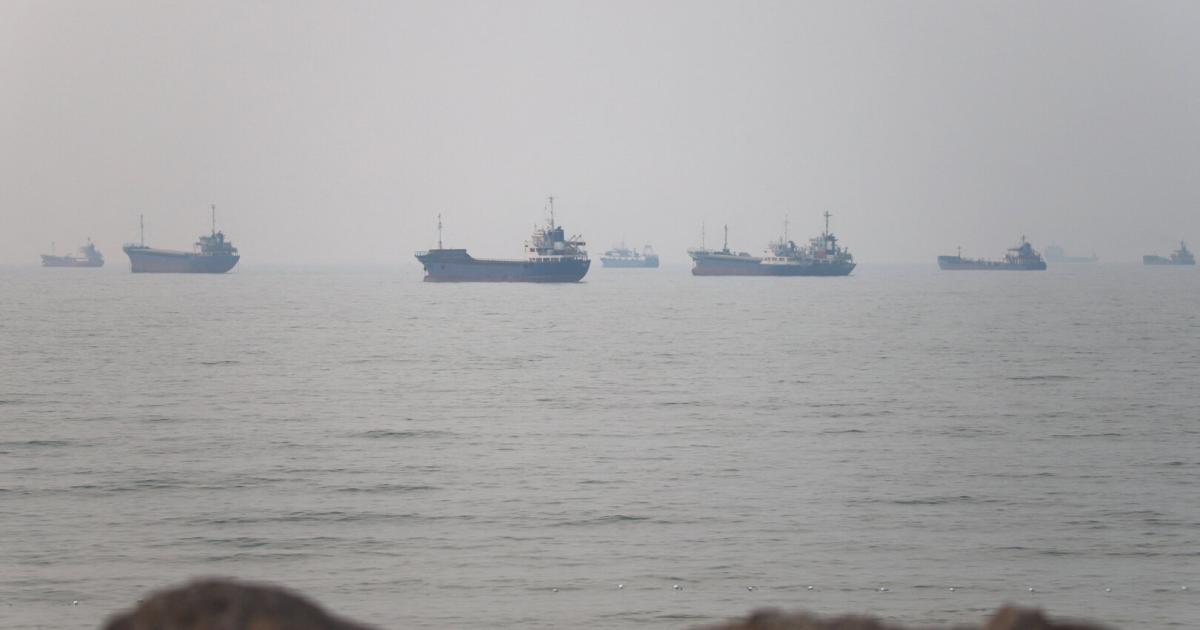
Concerns about an even more widespread war are growing in the Middle East. According to US media reports, Washington is moving more fighter and tanker aircraft to the conflict region. Meanwhile, to stop Iranian attacks on merchant ships in the Strait of Hormuz, which is important for the global trade in oil, gas and fertilizer, the US military bombed targets in the Islamic Republic for the ninth night in a row.
In response to night-long US attacks, Tehran is carrying out retaliatory strikes against countries with US military bases in the region. The Gulf state of Kuwait reported renewed shelling during the night. The country’s army said its air defense was repelling “enemy drones” from Iran. There were initially no details. Sirens also sounded repeatedly in Bahrain, which is also an ally of Washington.
The increasing attacks “all suggest that the conflict could expand in both scope and duration,” Saul Kavonic, energy analyst at MST Marquee, told Bloomberg. Attacks on the region’s oil infrastructure or successful attempts by the Houthis to obstruct the Red Sea route could drive up the price further.
No LNG tankers registered since Thursday
No liquefied natural gas (LNG) tankers have been recorded transiting the strait since Thursday. However, some ships temporarily turn off their transponders to disguise their route. According to S&P Global, LNG production in Qatar and the United Arab Emirates remains relatively stable despite the disruptions. This increases the amount of LNG stored on waiting ships in the Gulf.
An estimated 570,000 tons were on board seven loaded Qatari LNG tankers in mid-July. In total, there are currently LNG tankers with a total capacity of almost 1.9 million tons in the region. These ships could fuel a rapid increase in exports if the de facto blockade of the Strait of Hormuz eases in the coming weeks, analysts at S&P Global said.