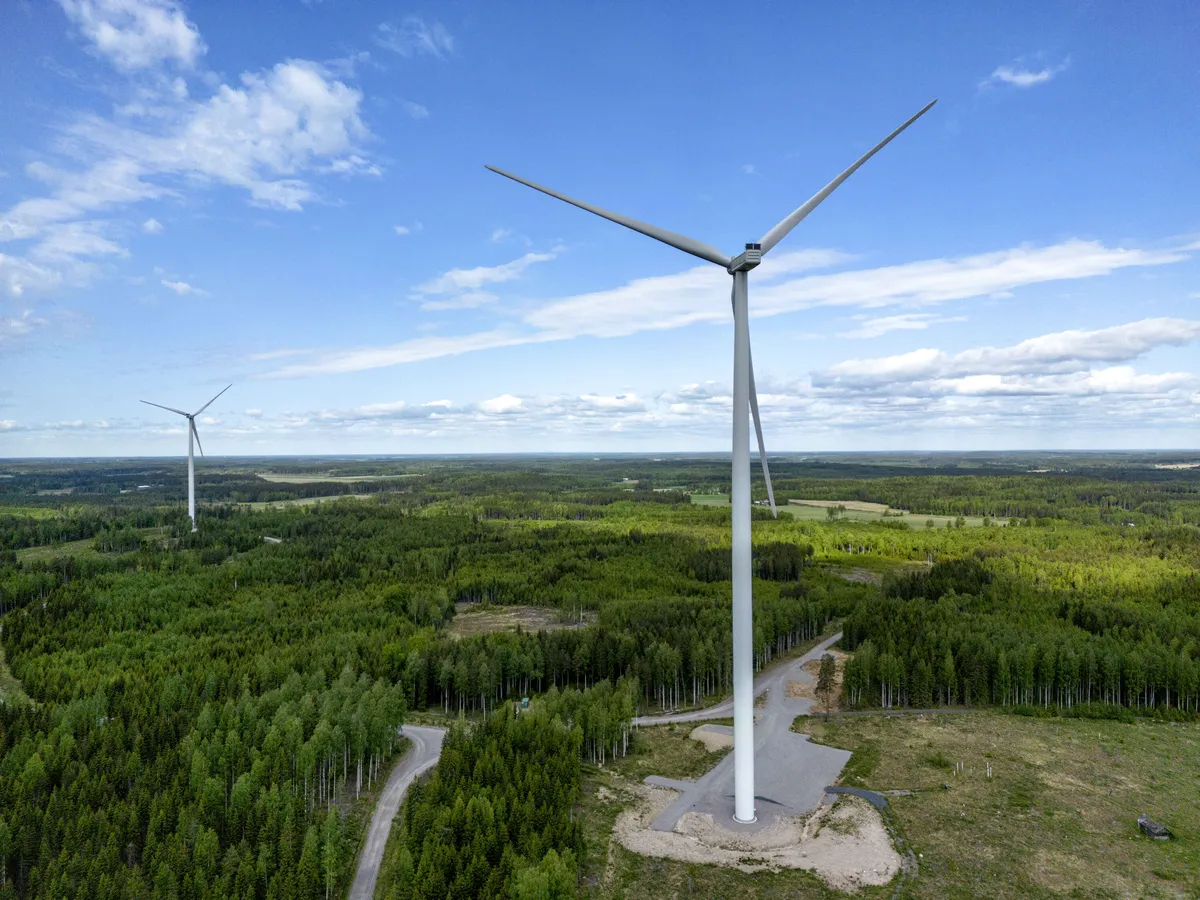
From the reader. In the public debate, the liturgy is blindly repeated about how wind power has brought “the cheapest electricity in Europe” to Finland. This claim is a dangerous and unfair eye-rolling trick that does not correspond to the real everyday life of Finnish consumers and SMEs.
The theoretical c/kWh average price drops to zero only when electricity is not needed – such as on windy summer nights. When it’s -25 degrees below zero outside and heating is a necessity in the north, the casino exchange punishes us with megawatt-hour prices of hundreds of euros.
The electricity market is broken
Finland’s electricity market is broken because it has been made to pay for the failed energy policy of Central European countries such as Germany. We have built self-sufficient, clean production with nuclear, hydro and wind power. Still, the marginal pricing model created by EU architects forces Finns to pay more for their electricity according to the European state of emergency.
The biggest bias, however, is what the stock market price hides: the billion-dollar network investments required by fragmented wind power have been transferred directly to consumers’ electricity transmission fees. Investors reap the returns, the taxpayer bears all the risks.
This line is making our country miserable, and signs of awakening are already in the air. Finnish millionaires and large industrial investments are fleeing to the neighboring country because Sweden has dared to put its national interest before EU papers. Sweden has canceled new electric cables to Germany and is threatening to limit exports to protect its own consumers.
“Finland must join Sweden in challenging the EU’s energy agreements.”
In Finland, officials, the media and experts sit quietly on their hands. Vital infrastructure is treated like an investment product. We do not have to share our national wealth at the expense of our own purchasing power. Finland must join Sweden in challenging the EU’s energy agreements.
We need a national cost pool and a regulated floor price that guarantees producers a basic income, but returns electricity from investors’ financing machine back to a stable national basic service.
I met Mäkinen
Raahe
Jubilee special offer!
Luxury Trains Travel Around The World
https://freemobilesupport.zohodesk.com/portal/en/community/topic/game
Do you think stability is underrated?
game – hockyforum
What’s your view on transaction speed?
Only Universities Have Powers of Admissions – UNIABUJA Kicks Back
Do you enjoy simple layouts or detailed ones?
How much does design affect your experience?
Головна сторінка
Choosing the Right Tree for Your Garden
What's so special about The Minack Theatre in Cornwall?
Your store. game
S3Ndgz4Uoy
Price hikes – Small Cabin Forum
Do you trust sites with clear policies?
game
Do you value multi-currency support?
Erfahrungsbericht Motivational Interviewing
What makes a platform feel modern?
The Electric Film Series Group | FMASU
Viewtopic.Php
game
V 12Mj Temp Slug 2109576
Group Page | MONUMENT MOTORCYCLE