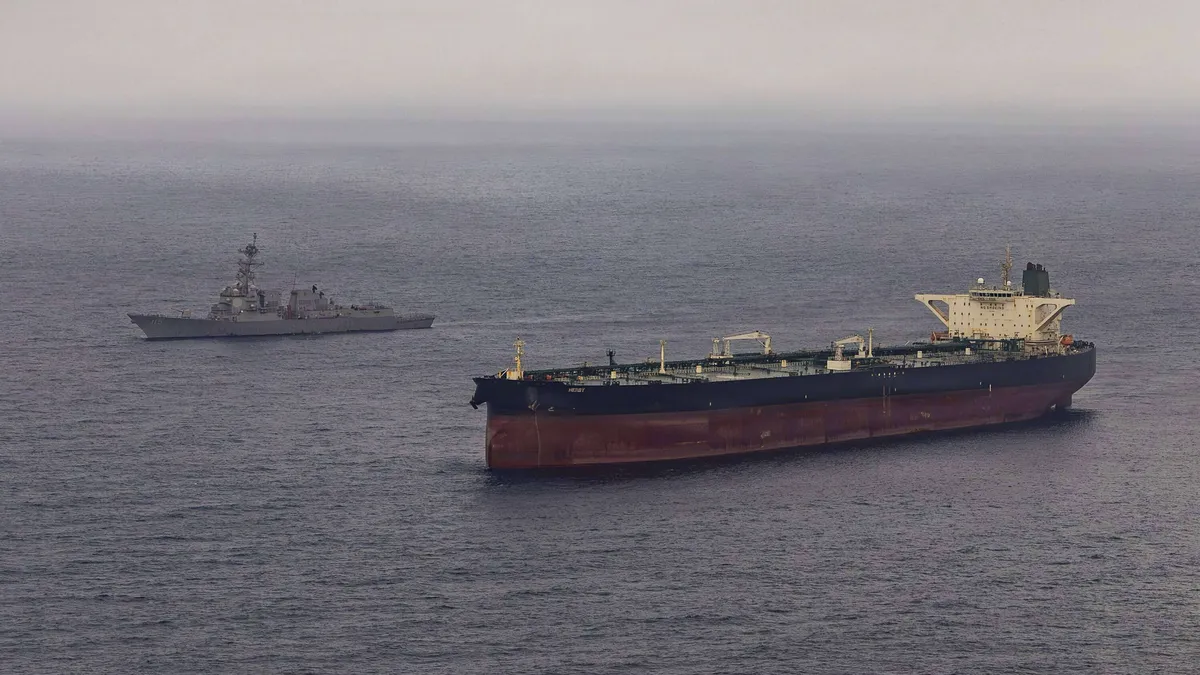
The oil market again underwent a complete turnaround. At the turn of the week, the United States and Iran stopped hostilities in the Strait of Hormuz, at least for a while, which drastically reduced the prices of Brent crude oil and WTI crude oil on Monday.
Brent’s September delivery price fell by 7-9 percent during the day, with the barrel price below 90 dollars. The price of WTI quality fell by 6-7 percent, with the barrel price below 84 dollars. The price changes were one of the biggest daily changes this year, with the price of crude oil falling to levels seen at the beginning of last week.
The rollercoaster of the price of crude oil is clearly visible in pump prices in Finland as well. In Polttoaine.net’s price comparison, the price difference between the cheapest and the most expensive station for basic gasoline 95E is as much as 30.4 cents per liter.
Amid the turmoil in the crude oil market, Iran strongly denied a market rumor that it had agreed to a 10-day ceasefire. On Sunday, the US ambassador to the UN Mike Waltz stated Fox Newsillethat the president Donald Trump has suspended attacks on Iran for the time being to allow more “leeway” for diplomacy.
How much of this leeway there is remains unclear. Experts from various research institutes and think tanks warn that the prospect of sustainable peace in the Persian Gulf faces serious challenges. The United States and Iran are not currently holding direct, official negotiations, but are negotiating through intermediaries.
At the same time, today, Tuesday, the already five-month-long war between the United States and Iran seems to be expanding. Yemen’s Houthi rebels started a new operation in the Red Sea, about which experts have been warning for weeks. The Houthis announced first of the Saudi Arabian Sea Barrier and later in the week about attacks on Saudi Arabian tankers in the Red Sea (KL 26.7.).
The Houthis’ strikes hit at an awkward place and time. The Red Sea has become a major detour for Saudi Arabia’s crude oil exports due to the closure of the Strait of Hormuz.
The biggest threat is whether the Houthis can expand their harassment of oil tankers and other vessels and successfully strike the Saudi city of Yanbu, which has become a major oil export hub in the Red Sea.
There is no certainty that the negotiations will be successful. Iran wants to get threshold money for passing through the strait, which Oman does not want.
The market does not share these concerns. At the moment, it is shown to believe that there would be room for reconciliation in the war between Iran and the United States.
Oman, located on the other side of the Strait of Hormuz, has become a key player, and according to unofficial information, a delegation was in Tehran on Friday and Saturday in an effort to negotiate a temporary arrangement for managing transit through the strait.
There is no certainty that the negotiations will be successful. Iran wants to receive threshold money for passing through the strait, which Oman does not want. Current maritime law generally prohibits states from charging ships for passing through territorial waters.
Маркетинг ArbitrageUp
igaming-трафік Facebook: GEO, ROI 109,51%
гемблінг: gambling — гайд
Greece — performance marketing, Facebook case
performance marketing on TikTok: how to launch
Magnetto Mars traffic arbitrage: getting started
events: affiliate marketing guide
iGaming on Facebook: how to launch
Magnetto Mars и лидоген: с чего начать
гембла, ROI 120,19%: Перу, Facebook
Аргентина: iGaming, ROI 77%
Facebook Cameroon: traffic arbitrage, ROI 168%
Magnetto Mars і лидоген: з чого почати
Бразилія — медіабаїнг, кейс Facebook
casino offers Spain: ROI 107,3%, Facebook case
performance-marketing: практика і поради
Facebook media buying: getting started
кейс Великобритания: performance-marketing
One Partners
медиабаинг Facebook: как запускать
гембла Словенія: кейс Facebook
Offers.Html
Pro Arbitrazh Trafika V Telegram Prostymi Slovami.Html
Tier-трафік і лидоген: з чого почати
арбитраж трафика в TikTok: гайд