Last summer, there was tension over what kind of customs deal the EU could conclude with the US president Donald Trump’s with. In the middle of the heat of July, an agreement was reached, even if its content did not convince everyone.
The United States received a 15 percent general tariff on EU imports, and this week, after a long struggle, the EU Parliament approved zero tariffs on industrial products imported from the United States and a number of agricultural products. The final approval is expected from the member countries next week.
Customs fraud is unlikely to remain completely out of the agenda even after this. Most recently, at the beginning of this week, Trump threatened French wines with 100 percent tariffs unless France waives a tax on US tech giants.
During July, the Trump administration will have to figure out on what basis it will keep its own tariffs in force, after the US Supreme Court in February overturned the tariffs originally imposed under the emergency law.
The EU Parliament also reserved the possibility to request the suspension of the trade agreement if the US and the EU do not reach an agreement on the reduction of steel tariffs by the end of the year.
The next trade war already at the door?
We have already had time to get used to Trump’s customs threats, and now the eyes are turning towards the east. Next, it should be decided how hard the EU countries are ready for a trade war with China.
In the background, there is concern about the so-called second China shock, i.e. the collapse of Chinese high technology into the EU market. As a result of Trump’s tariff manipulation, exports from China to the United States have decreased, and there is a fear that more goods will come from China to the EU and that our own industry will not be able to compete against cheap imported goods. China is known to support its industry extensively.
The trade deficit between China and the EU has already increased to a billion euros per day in favor of China.
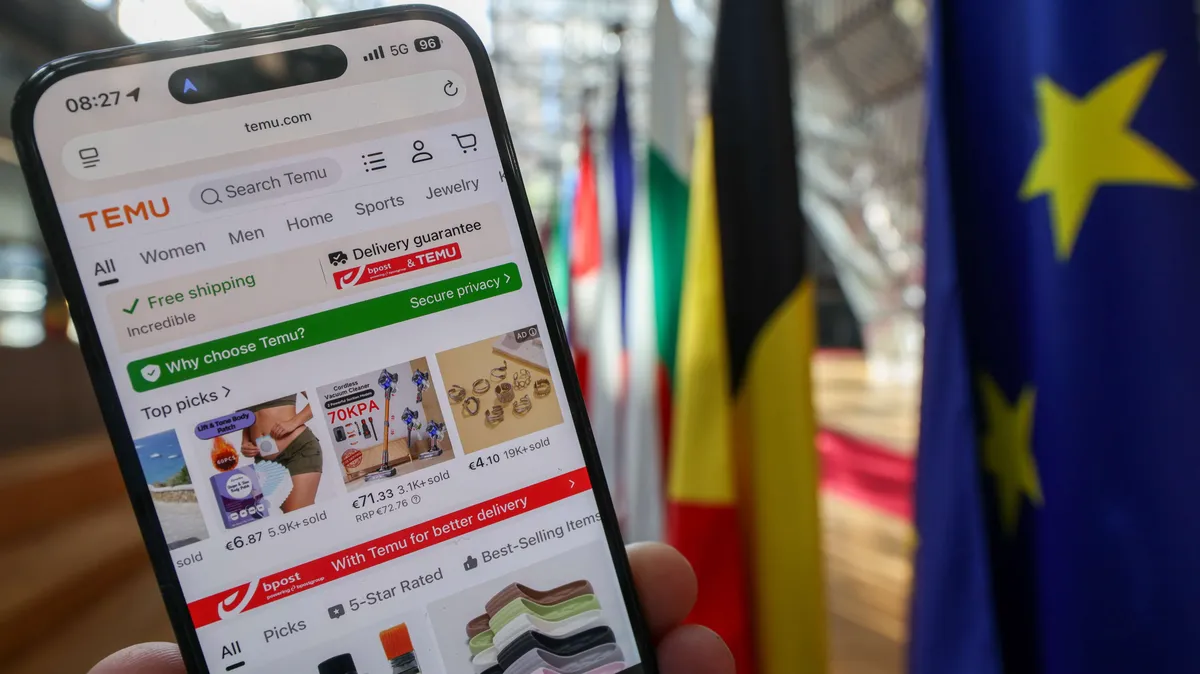
Chinese electric cars already have heavy additional duties, and Chinese operators have already been excluded from public procurement in the health sector in the EU. There are new steel duties and Temu package customs fees coming, but We are now applying in the EU already stronger and more extensive ways to respond to the rush of imports of Chinese products.
One of the most important questions of the EU summit at the end of the week is whether the EU countries can find a unified position and a sufficiently clear vision of what kind of response to the Chinese threat should be started working on.
Concerns about China are indeed recognized in different countries, but the views differ on whether the threat must be met with the threat of a trade war to some extent or whether we should take what is available by agreement here as well.
https://betrepublic-italia.com/payments
https://betrepublic-italia.com/problems
https://betrepublic-italia.com/promocode
https://betrepublic-italia.com/review
https://betrepublic-italia.com/slots
https://betrepublic-italia.com/support
https://betrepublic-italia.com/withdraw
https://betrepublic-escasino.com
https://betrepublic-escasino.com/apk
https://betrepublic-escasino.com/app
https://betrepublic-escasino.com/bonus
https://betrepublic-escasino.com/casino
https://betrepublic-escasino.com/deposit
https://betrepublic-escasino.com/download
https://betrepublic-escasino.com/faq
https://betrepublic-escasino.com/legal
https://betrepublic-escasino.com/login
https://betrepublic-escasino.com/mirror
https://betrepublic-escasino.com/mobile
https://betrepublic-escasino.com/payments
https://betrepublic-escasino.com/problems
https://betrepublic-escasino.com/promocode
https://betrepublic-escasino.com/review
https://betrepublic-escasino.com/slots
https://betrepublic-escasino.com/support