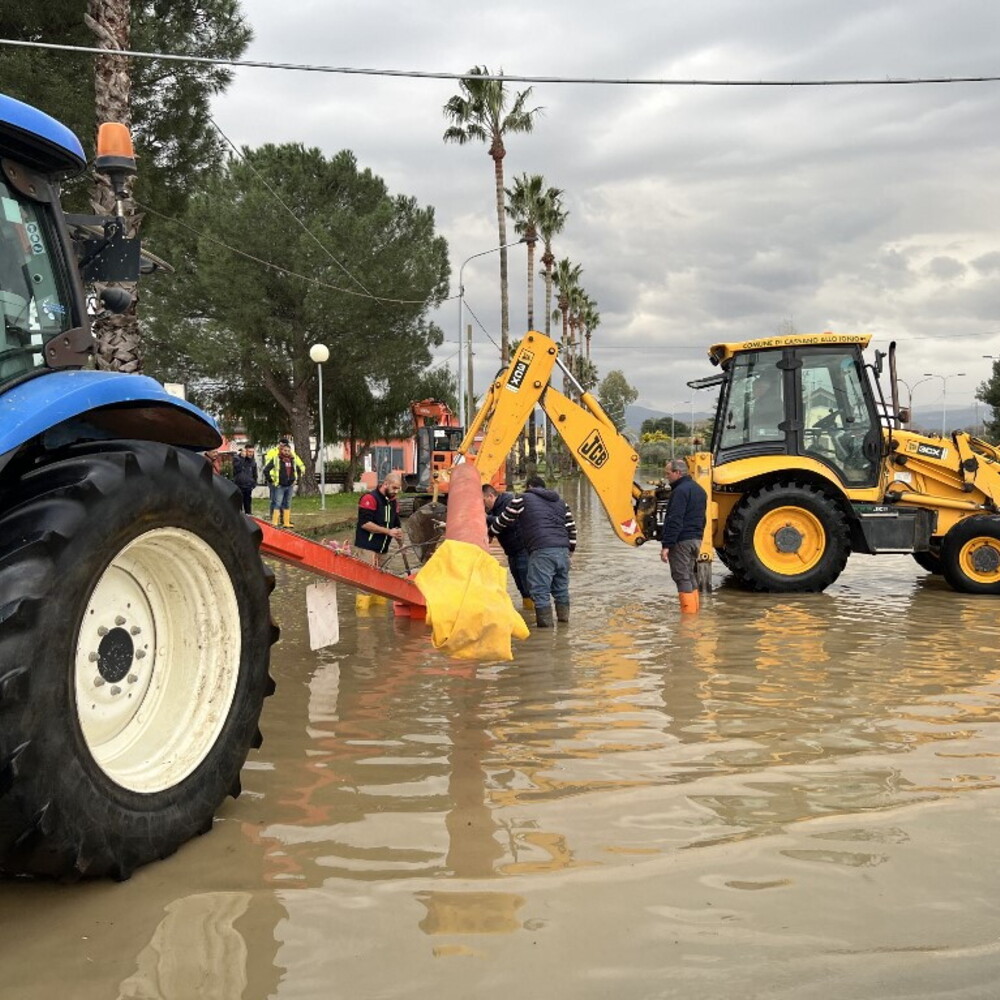
Floods today represent the most frequent and most expensive natural risk for Europe, while Italy leads the ranking in terms of number of events, and is second only to Germany for economic losses. According to the new study by Allianz Research “Europe under water: The macroeconomic cost of flooding and the economic case for adaptation”, the economic losses generated by floods on the continent have overall reached 226 billion euros from 2000 to today, with a significant acceleration in recent years. The losses recorded between 2020 and 2025 have already exceeded those of the entire previous decade, highlighting a growing vulnerability of European economies.
In this scenario, Italy emerges as one of the countries most exposed to flood risk. In fact, between 2000 and 2025 it was the European country with the highest number of recorded flood events (168), ahead of Spain (134) and France (109). In the same period, our country has accumulated approx 42 billion euros of economic losses, ranking second in Europe after Germany (78 billion) and ahead of Spain (25 billion).
The study also highlights how floods do not only represent an environmental emergency but also a real macroeconomic shock, capable of influencing investments, consumption, family incomes and public finances for several years after the event.
The effects of a severe flood event in Italy
Through a simulation based on the average intensity of floods observed between 2015 and 2024, AllianzTrade estimates that a serious flood event could lead to: 51.3 billion euros in cumulative lower investments for Italy between 2027 and 2030; a reduction in families’ disposable income of 4.1%; a cumulative loss of 56.5 billion euros in GDP; a contraction in private consumption of approximately 18.9 billion euros; an increase in cumulative inflation of 0.8%, one of the highest levels among the countries analyzed.
At a European level, Spain is the country with the greatest relative loss of GDP (-1%), while Italy stands out for the extent of economic losses in absolute value, a consequence of the strong concentration of population, infrastructure and production activities in the most exposed territories.
The necessary investments in prevention and adaptation
According to Allianz Trade, the growing cost of floods makes it essential to accelerate investments in climate prevention and adaptation. Interventions such as the improvement of hydraulic infrastructures, the protection of natural areas of lamination, urban planning more attentive to risk and a greater diffusion of insurance coverage can, according to him, significantly reduce the future economic impact.
The study highlights that investments in resilience and adaptation to floods can generate economic benefits equal to approximately four times the invested capital, reducing future damage, easing the burden on public finances and helping to maintain sustainable insurance coverage of climate risks.
TikiTaka Casino FAQ | How It Works
Is TikiTaka Legal in Australia? 🇦🇺
TikiTaka Login – Sign In to Your Account Easily
Discover TikiTaka Mirror – Find Your New URL!
Play on Mobile with TikiTaka Casino Anywhere!
Payments at TikiTaka: Interac, Visa, More
Fix TikiTaka Not Working & Login Issues
TikiTaka Casino: Latest Promo Codes
Honest TikiTaka Casino Review & Rating
Best Slot Games at TikiTaka Casino
TikiTaka Support: Contact Our Customer Service
Withdraw Time at TikiTaka: Quick Cash Out
TikiTaka Casino – Beste Spiele Online ⚡️
TikiTaka APK Download – TikiTaka Android APK
TikiTaka App: Schneller Download 🔥
TikiTaka Willkommensbonus & Freispiele
TikiTaka Casino & TikiTaka Slots erleben
TikiTaka Einzahlung leicht gemacht
TikiTaka Download: Schnell installieren!
FAQ TikiTaka: Alle TikiTaka Fragen erklärt
Ist TikiTaka legal in Österreich?
TikiTaka Casino Login: Schnell & Einfach!
TikiTaka Mirror: Neuer Zugang TikiTaka
TikiTaka Handy Casino | TikiTaka Mobilversion
TikiTaka Zahlungsmethoden für Ein- und Auszahlungen