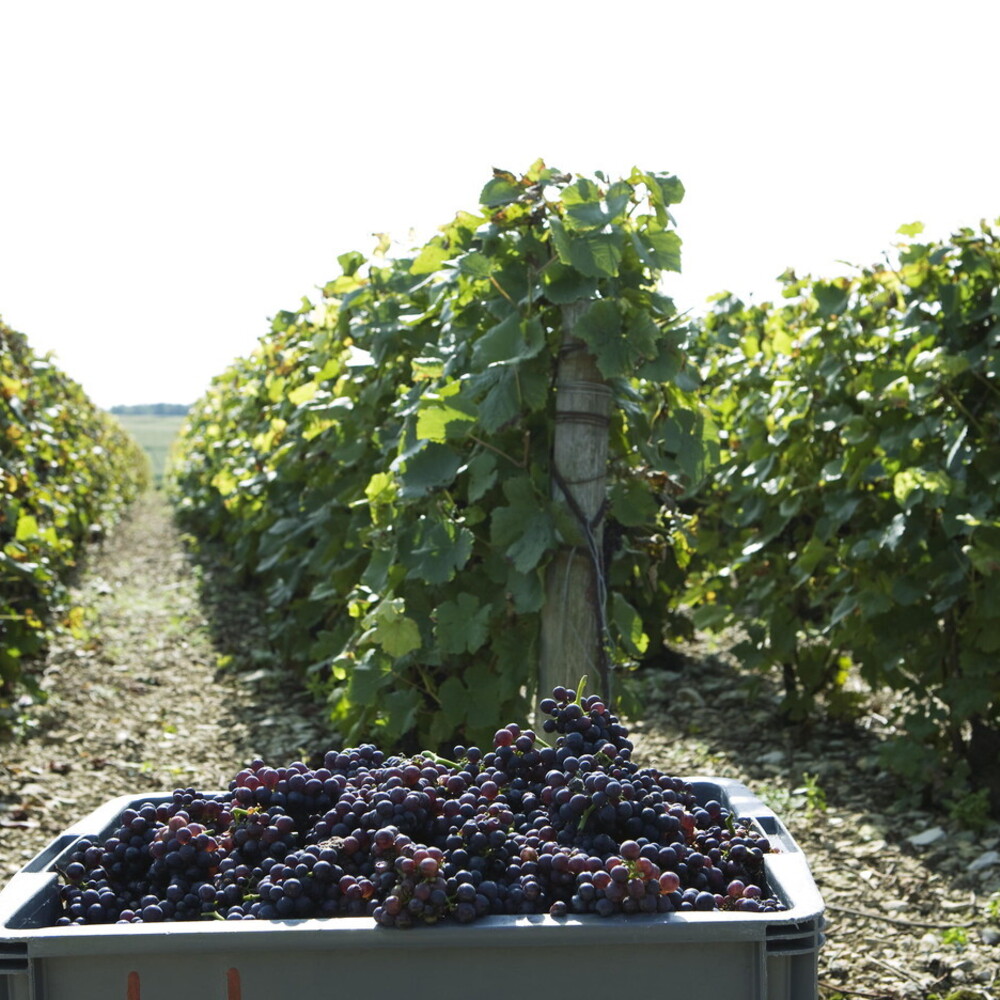
The heat waves anticipated harvest in major European wine-producing countries at unprecedented levels, as winemakers work to adapt toclimate changesand ensure your profitability.
According to the Association of the European Wine Industries, initial estimates point to a shorter harvest in countries such asSpain, France e Germania.
Record harvest in Spain
In Spain, the earliest harvest in history is underway this August, with producers expecting to beat 2025 harvest figures despite back-to-back heat waves. Industry sources indicate that the harvest will increase by 10% on an annual basis and are confident of greater productivity thanks to the improvement in the health of the vineyards. Almost all wineries brought forward the harvest by a month due to high temperatures in a year also affected by rising costs and low prices at the source. This has pushed producers to require compliance with food supply chain regulations to prevent sales below cost.
France, unprecedented harvest
France is also experiencing an unprecedented early harvest: the first grapes were harvested in mid-JulyLanguedoc(in the south of the country), an event never recorded before. A month later, the region ofChampagneauthorized the start of the harvest on August 12th, another historical record. The early start extends to much of the country. TOSaint-Emilion(Bordeaux), the harvest began on August 19, inAlsace(in the east) the harvest officially began on August 18, while in some areas ofBlonde(Central France) could end before the end of the month.
Advance in Italy
In Italy, the harvest was brought forward in some areas to the end of July, such as aPavia. In other locations, such asVeneto, Abruzzo e Piedmontwas brought forward by about ten days, and inTuscanyof almost two weeks for white and sparkling wine grapes. The two main sector organisations,Assoenology e l’Italian Wine Unionhave decided to publish the forecasts only once the harvest has been completed, as they may undergo significant variations due to climate variability. Furthermore, a new line of investment aid for viticultural sustainability is available this year under theCommon Agricultural Policy.
Production growing in Portugal
In Portugal according to theInstitute of Vine and Winethe estimated production for the 2026/2027 season will reach 6.7 million hectoliters, an increase of 12% compared to the previous year, although almost 4% lower than the average of the last five seasons. In many regions the grapes are ripening about a week earlier than usual, leading to an increasingly earlier harvest. A good to excellent quality harvest is expected thanks to favorable water reserves and weather conditions, the institute told EFE. In addition to increasingly unpredictable production cycles due to climate change, other challenges include declining wine consumption, competition from other beverages, market instability, rising production costs and growing regulatory pressure. These factors have pushed the Portuguese wine sector to seek to further valorise its wines on international markets.
Germany between quality and drought
In Germany the start of the grape harvest was brought forward by about a week compared to the average of the last five years, according to data fromGerman Wine Institute. The sunny summer allowed the grapes to ripen very quickly and, thanks to the dry and warm climate, they are in excellent condition in all wine-growing regions, mainly concentrated in the south and south-west. However, the marked lack of rain is also causing problems in the younger vineyards. The president of theGerman Farmers’ Association, Joachim Rukwiedpredicted a small but high-quality harvest.
Switzerland struggling with drought
In Switzerland, the drought forced many producers to bring forward the harvest by several weeks compared to the usual period (from the end of September to mid-October).Nora Dauphin-Viretconsultant toSwiss Wine Federationconfirmed that harvests starting in August “are becoming increasingly common” for some varieties and regions, a phenomenon the industry is monitoring closely, although “not in itself a problem,” given that this year’s hot, dry weather conditions also limit the impact of some diseases. According to the scientist, it is necessary to “adapt the harvest date to each variety and each plot to preserve the balance of the grapes”.