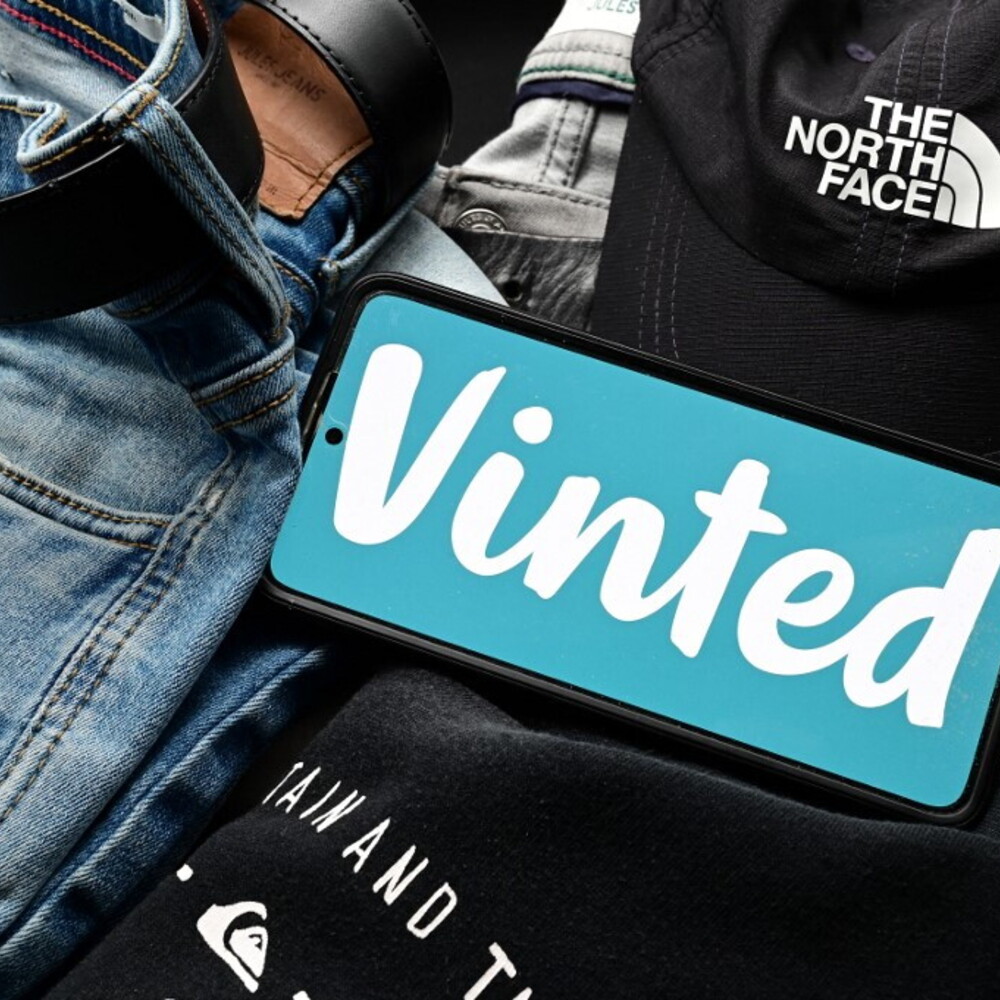
If 2025 was Temu’s golden year, 2026 is about to be archived as the ‘black’ one and, in general, there is a setback for all fast fashion, at least in Europe. In particular, web visits to Temu and Shein dropped sharply: -71% for Temu in Italy, -76% in France and -78% in Germany. Second hand, however, is growing: Vinted increases visits throughout Europe, from +39% in Italy to +56% in Germany and in France it is now the second marketplace.
This is the map of marketplace 2026 in Yocabefrom which it can be seen that Amazon not only resists practically everywhere, but also represents the first marketplace in almost all of Europe in 2026, with three exceptions: in the Netherlands and the Scandinavian countries it is in second place, while in Eastern Europe it does not enter the top 5. Specialized platforms, such as Leroy Merlin and Decathlon, are also growing, consolidating their position.
Global e-commerce over 5,500 billion dollars
Trends aside, global e-commerce this year exceeds 5,500 billion dollars with an average retail penetration of around 21%. The great innovation that involved marketplaces in 2026 is artificial intelligence, which this year has become a concrete part of the selling and purchasing experience. Going into detail, both Temu and Shein record enormous losses, in terms of visits, between 50% and 80% compared to 2025. The only exception is Shein in the United Kingdom which continues to grow.
The new European rules and the growth of fast commerce in the rest of the world
Among the causes, the new European rules certainly weigh heavily: from 1 July 2026 until July 2028, in fact, shipments with a value of less than 150 euros coming from non-EU countries pay a flat rate duty of 3 euros for each type of product contained in the package and in May the European Commission fined Temu 200 million euros pursuant to the Digital Services Act. In the rest of the world, however, there is still life for fast commerce: in the USA and in South Korea, visits to Temu are still growing – by +16% and +110% respectively – and Shein is popular in many markets, even in those where Temu is struggling: +20% in Canada, +31% in Japan and +24% in Australia, while in Brazil it is the first fashion site. Also good in Mexico (+42%) and in the Middle East, where it doubles compared to 2025.
The revenge of second hand: Vinted is growing throughout Europe
2026 marks the revenge of second hand on fast commerce. In particular, Vinted is growing everywhere in Europe: +39% in Italy, +48% in Spain, +29% in France – where with 39 million it is the second marketplace in the country – +46% in the United Kingdom, +56% in Germany and +25% in the Netherlands. In Poland it exceeds 17.9 million visits. Also running are Wallapop in Spain (+27%), Sellpy in the Nordic countries (+37%) and, in the USA, Poshmark (+33%) and ThredUp (+72%).
But 2026 is above all the year of artificial intelligence, which has officially become the heart of the marketplaces. According to Adobe, in the United States, traffic to retail sites generated by AI assistants has grown by 62% in a year, and those arriving from these channels convert 60% more than other visitors. The new technology no longer just suggests products, but answers questions, compares offers and, increasingly often, buys for the customer. It is the so-called agentic commerce: AI assistants and agents that accompany the consumer from search to payment.
From Amazon to Zalando and eBay, marketplaces are banking on AI
Among the big names in the marketplace, Amazon has combined Rufus and Alexa+ in Alexa for Shopping, with which purchasing becomes delegated; on Zalando the AI for sizes and fit has reduced returns by size by over 8%, comparing the data of over 1 million customers and today Zalando Assistant has 22 million users; With AI, eBay makes 30 years of data available to the agent, making the search – based on a huge but messy catalog – finally guided.
Yocabe: data quality will be decisive for the future of marketplaces
“Today, the basic question has changed for those who sell: it is not enough to be found, you have to be chosen by a system that reads product sheets, reviews, sizes, availability and prices, the quality of product data becomes the first marketing tool. In Yocabe we see AI as a concrete opportunity for fashion brands, but rigor and reliable data are needed, because artificial intelligence amplifies the quality of the data it receives, for better or for worse. Those who today invest in complete catalogues, clean data and solid relationships with the platforms will be ready when purchases delegated to assistants will become normal. Those who wait risk becoming invisible just when the customer decides, leaving room for competitors. This is the challenge on which we want to build the next years of Yocabe” says Vito Perrone, co-founder of Yocabe.