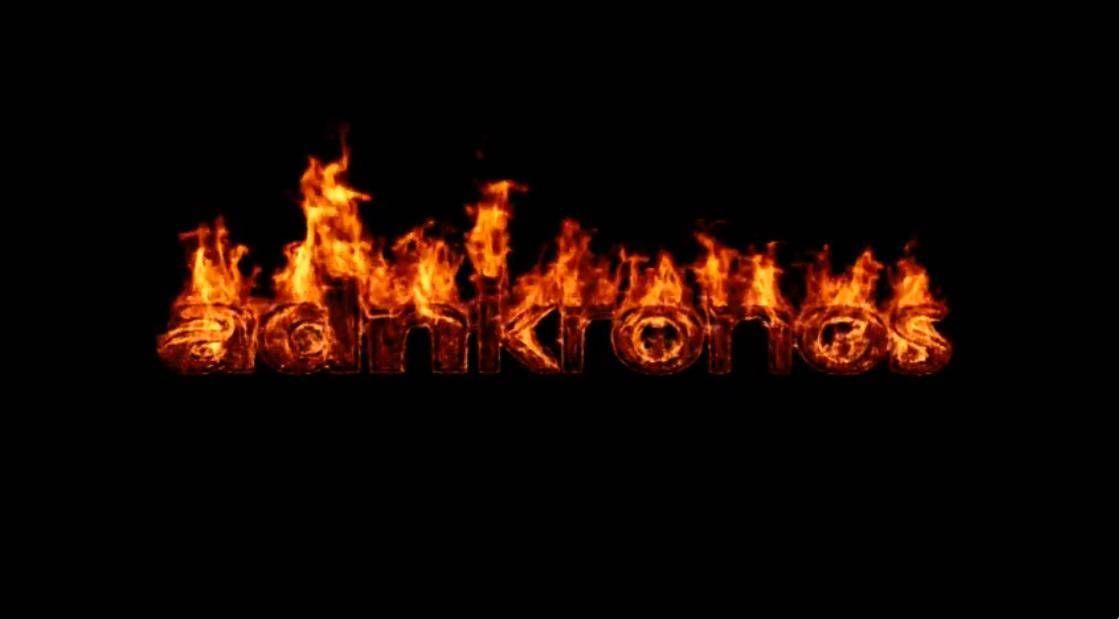
The forces of nature as a metaphor for immediacy, energy and the ability to propagate information. It is around this meeting between matter, technology and communication that the homage created by maestro Fabrizio Plessi to celebrate the fiftieth anniversary of Adnkronos, the news agency founded in 1963 (WATCH).
In November 2013, the Palazzo dell’Informazione in Piazza Mastai in Rome opened its doors to the public for “Plessi per Adnkronos”, an exhibition created to accompany the agency’s fiftieth anniversary through the language of electronic art. A project in which the artist, a friend of the publisher Giuseppe Marra, had translated into images and movement some of the concepts that have always belonged to the world of information: energy, speed, transformation, memory and diffusion.
An internationally renowned artist and one of the protagonists of research in electronic art, to celebrate Adnkronos Plessi had chosen to connect the power of natural elements with the immaterial force of communication. The meaning of the intervention is contained in the words with which Plessi summarized the project: “Adnkronos is fundamental for igniting and spreading our emotions, our memories, our roots, our consciences, origins and passions”.
The exhibition included three installations, eight preparatory drawings and six video works created specifically by the artist for the agency’s fiftieth anniversary. The six video installations represented the technological heart of the project: moving images through which natural elements became symbols of a continuous flow, just like that of the news that passes through the information system on a daily basis.
Water, fire and other forces of nature were therefore not simply aesthetic subjects, but became metaphors of a process: “Information is born, moves, transforms and quickly reaches places and people”, said the video artist. Plessi’s material, apparently primordial, thus entered into dialogue with technology and contemporaneity, providing a visual representation of the energy that fuels communication. It was a particularly significant relationship for a news agency, whose identity is based on the ability to intercept events and transform them into news. An activity which, like water or fire in Plessi’s works, is never static: it is movement, propagation, transformation.
“Telling the facts. This was the program of those who founded Adnkronos fifty years ago. This is the reality that has accompanied the agency in these decades and which still distinguishes it today”, explained Giuseppe Marra when presenting the initiative. Fifty years then represented an important milestone, but also a starting point. “Many things have changed in the half century that separates us from July 1963”, observed Marra, underlining however how “the desire to tell stories and the ability to understand and anticipate large and small social changes” had remained unchanged. It is precisely in this continuity between past and future that Plessi’s choice took on its deepest meaning. His art, founded on the encounter between natural elements and electronic technologies, became a sort of mirror of the transformation undergone by information: from traditional models of communication to the digital and immediate dimension of contemporaneity.
The “Plessi per Adnkronos” exhibition thus became more than a celebration. It was the dialogue between two apparently different languages - that of art and that of information – united by the same tension towards the present. On the one hand the artist captures and transforms the energy of the elements; on the other, the agency collects, processes and spreads the energy of events. And just like the forces of nature, information does not stop: it passes through time, changes shape, generates new connections. In Plessi’s project, this energy became visible.