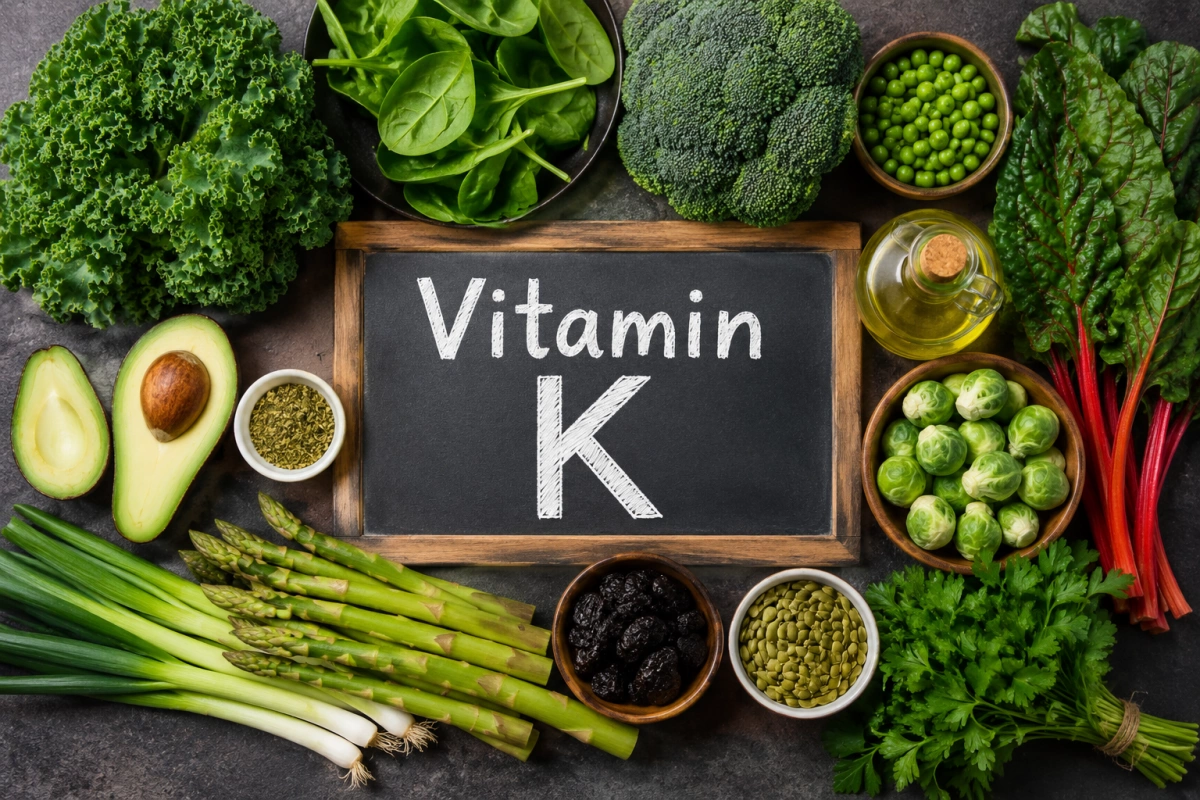
A diet with enough vitamins D, K, magnesium and phosphorus helps the body use calcium more effectively, supporting strong bones.
Vitamin D
Theo Very Well Health, Vitamin D deficiency makes it difficult for the body to absorb and effectively use calcium from food even if the diet is adequate. Sunlight is a source that helps the body synthesize natural vitamin D. You should be exposed to light sunlight for about 10-30 minutes a day depending on the time, skin color and exposed skin area. Fatty fish such as salmon, sardines, egg yolks, mushrooms and milk also provide vitamin D.
Calcium needs change with age and physical condition. Adults need about 800-1,000 mg of calcium per day, increasing to about 1,200 mg in pregnant women and 1,300 mg in breastfeeding women. Adults 19-70 years old, including pregnant and breastfeeding women, need about 600 IU of vitamin D each day to maintain bone health.
Magic
Magnesium plays an important role in the activation of vitamin D, helping the body use calcium effectively and maintaining bone health. Magnesium deficiency can affect calcium metabolism. Dark green leafy vegetables, whole grains, beans, nuts and apricots are good sources of magnesium, which can be combined with a reasonable calcium supplement regimen.
The recommended magnesium requirement for adults is about 310-420 mg per day depending on gender and age. People with diabetes, cardiovascular disease, intestinal disease or kidney disease should not arbitrarily supplement high doses of magnesium without a doctor’s prescription, according to Times of India.
Vitamin K
Vitamin K helps activate osteocalcin – a protein involved in binding calcium to bone tissue, thereby helping to maintain bone density. Vitamin K deficiency can affect calcium utilization and bone health, and is associated with an increased risk of vascular calcification.
The recommended vitamin K requirement for adults is about 90 mcg per day for women and 120 mcg for men. This level helps maintain blood clotting function and supports bone and joint health.
Phosphorus
Phosphorus is an important mineral involved in the structure of bones and teeth, and coordinates with calcium to maintain the strength of the skeletal system. The balance between calcium and phosphorus contributes to reducing the risk of osteoporosis.
Adults need about 700 mg of phosphorus per day. You should maintain a balanced diet, incorporating foods rich in phosphorus, calcium and vitamin D to support bone health.
https://kasynoonlineblikpl.pl/
https://kasynoonlinepolskablik.eu.com/
https://bitcoin-casino.co.no/
https://gcash-casinos.in.net/
https://online-casino-philippines-gcash.com/
https://onlinecasinophilippines-gcash.com/
https://onlinecasinophilippinesgcash.com/
https://onlinecasinophilippinesgcash.org/
https://revolut-casino.co.no/
https://revolutcasino.co.no/
https://visa-casino.co.no/
https://visacasino.co.no/
https://nvcasinoo.eu.com/be/
https://nvcasinoo.eu.com/se/
https://nvcasinoo.eu.com/no/
https://nvcasinos.it.com/hu/
https://nvcasinos.it.com/ro/
https://nvcasinos.it.com/nl/