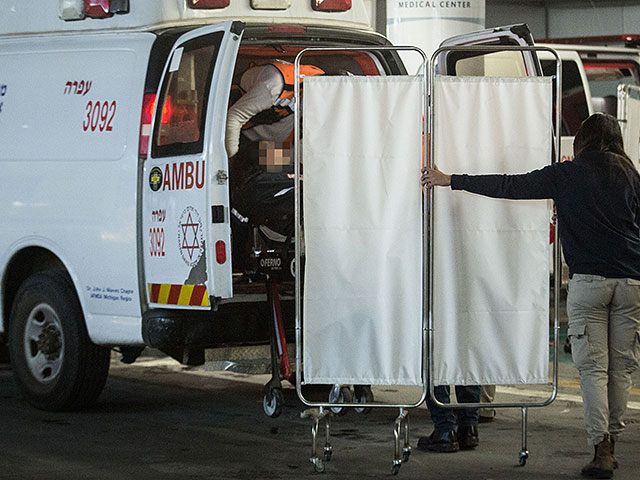
Researchers from the Hebrew University of Jerusalem, using Assuta Hospital in Ashdod as a case study, have identified critical gaps in the preparedness of medical facilities for protracted military conflicts.
The events of October 7, 2023, demonstrated the significant difference between a routine mass casualty incident and protracted combat. The attack lasted for many hours, and the hospital itself was under rocket fire, disrupting routine processes, logistics, and communications.
Years of training and missile-proof facilities allowed Assuta Hospital staff to remain operational and immediately begin caring for the wounded. However, under real war conditions, unforeseen problems arose. Priorities conflicted between the army reserve and the hospital. A shortage of administrative staff created congestion during registration, and evacuating patients from the emergency room was hampered by the vulnerability of many areas. Medical staff experienced a severe information vacuum and relied on social media reports. The study was published in the journal Disaster Medicine and Public Health Preparedness.
Furthermore, an imbalance in the distribution of the wounded emerged: while some clinics were overwhelmed, the Ashdod emergency room retained the capacity to handle more patients. The researchers highlight the paradoxical nature of the situation: Assuta was located close to the battlefield and had available beds, while the wounded were transported to Soroka in Be’er Sheva, where there was no room for the wounded, delaying evacuations further north. Therefore, the authors emphasize the need to review logistics and improve coordination with the military.
Co-author Professor Adam Rose noted: “The lessons of October 7 extend far beyond Israel. Our findings demonstrate that hospitals preparing for future conflicts need plans that consider not only the treatment of the wounded but also the protection of staff, maintaining communication in rapidly changing conditions, and adapting operational plans when reality deviates from even the most reliable scenarios.”
The experience of doctors proves that modern disaster medicine must prepare for complex challenges, where the healthcare system itself becomes part of a war zone.