In 2026, Israel recorded a sharp increase in the number of detected rabies cases among animals, with the disease spreading to new areas of the country. Between 2022 and 2025, the increase in animal rabies cases in Israel was 252% – from 29 cases in 2022 to 102 in 2025, and the incidence continues to rise.
Since the beginning of 2026, 69 cases have been confirmed, and experts predict that by the end of 2026, the number could reach 132-150, a record high.
At the same time, the number of calls regarding the dangers of contact with potentially sick animals is also growing: over 15 years, the number of such calls has almost doubled, rising from 12,343 in 2010 to 24,219 in 2025.
Sigal Sadetsky, head of the Public Health Department at the Ministry of Health, noted that this is an extremely alarming trend. “Rabies is a fatal disease. If an animal or person is infected and not treated prophylactically, the mortality rate reaches almost 100%,” Sadetsky explained.
According to her, the disease causes tens of thousands of deaths worldwide each year. The virus attacks the central nervous system of mammals and is transmitted through bites or saliva coming into contact with broken skin or mucous membranes. Infection can also be acquired through licking or any other contact with the saliva of an infected animal. Most animals begin to shed the virus in their saliva approximately ten days before death.
According to Sadetsky, rabies is endemic in Israel. Jackals remain the primary carriers among wild animals, accounting for approximately 60% of all identified cases. The disease also occurs in foxes and other mammals.
Human deaths from rabies are rare in Israel. In 1997, two cases were recorded. In 2014, a woman infected with the disease died after being bitten in India. In 2024, a shepherd who refused preventative treatment died of rabies.
A Health Ministry spokesperson noted that one of the reasons for the worsening situation was the changing geographic distribution of the disease. Rabies is being detected in new areas of the country due to animal migration, as well as human actions—for example, feeding cats, whose food is also consumed by wild animals, and poor sanitation, with food waste being thrown on the streets. Dense development and the loss of natural habitat also contribute to the spread of the disease.
She also warned of the danger of imported rabies. This year alone, three serious cases have been recorded. A reservist brought a dog from the north of the country to Hadera and Ra’anana, where the animal came into contact with a large family during Passover. Another dog was brought from Ramallah to Holon. In the third case, a dog that had not been vaccinated or seen by a veterinarian was transported from Jerusalem to Tel Aviv by train, after which its owner walked it on the beach. As a result, medical personnel had to examine and take action against 52 people who had contact with the animal.
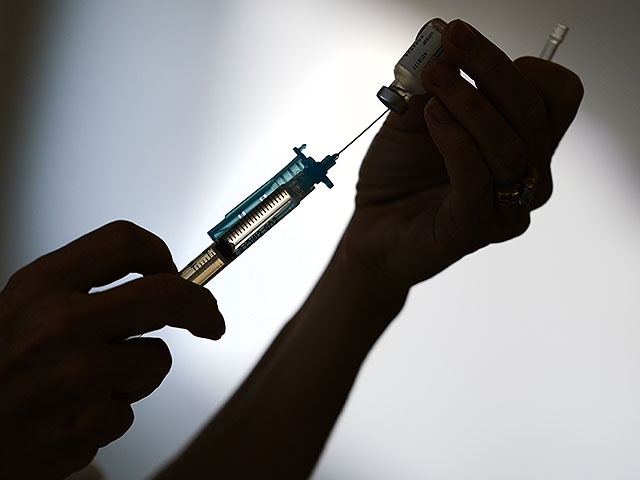
The Ministry of Health reminds that any bite or other contact with an animal should be immediately washed with soap and water for approximately ten minutes. Afterward, the person should contact the Ministry of Health’s district office as soon as possible for a risk assessment and a decision on the need for vaccination. No appointment is required. If the “lishkat briut” branches are already closed, the person should go to the hospital emergency room for first aid.