Something is changing in the public’s attitude towards medicine and the medical establishment. This process does not happen all at once, but suspicion is growing. In recent years, more and more people who come across an official medical recommendation immediately ask who is behind it, what are their interests, and what is being hidden from me? And why should I believe a doctor when there are people on the Internet who tell a completely different story?
The article was originally published on the Davidson Institute for Science Education website
A large American study published in 2024 found that the proportion of adults who reported a high level of trust in doctors and hospitals fell from 71.5 percent in April 2020 to 40.1 percent in January 2024. This decline was born primarily against the backdrop of the coronavirus pandemic, which was not only a global health crisis, but also a crisis of trust and information. As the virus spread, people turned to online sources in search of information and guidance. A 2021 article described how social media, already a central platform for social activity for millions of people who could no longer meet and talk face-to-face, has also become an important source of news. In the UK, for example, the proportion of young people under 35 who used social media to consume news rose from 52 percent in January 2020 to 61 percent in April of that year.
Doubt in itself is not bad. Science advances thanks to questions, and good doctors need to know how to explain themselves. But when skepticism about doctors and hospitals is combined with an almost blind trust in podcasts, viral videos, and celebrity testimonials, it can turn from a defense mechanism into a real health hazard.
From Podcast to Prescription
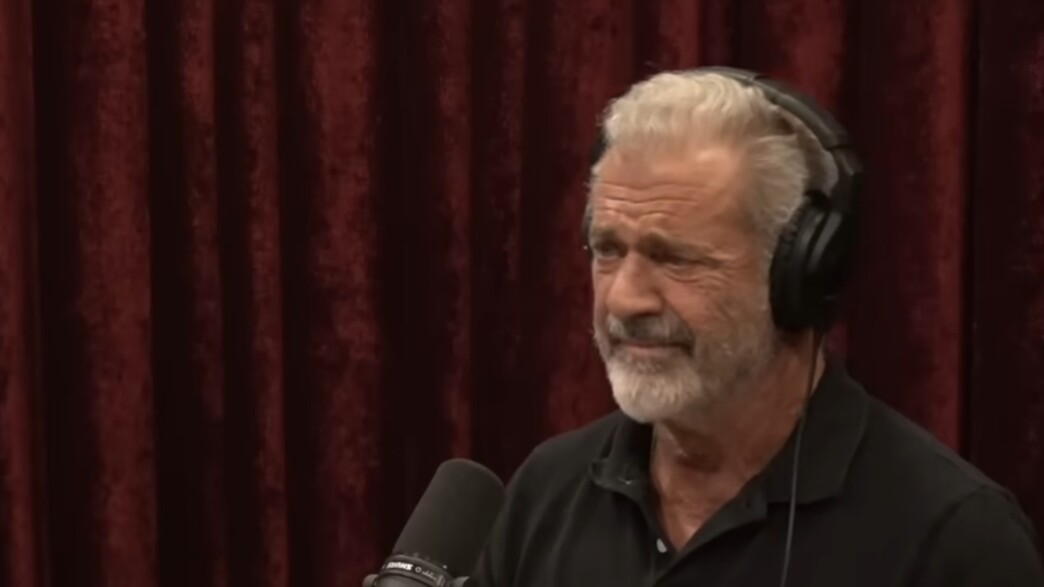
A real-life example of the erosion of trust in medicine was born following an episode of the popular podcast “The Joe Rogan Experience” from January 2025. Rogan – a host with a long and not-so-glorious history of regurgitating fiction – hosted actor Mel Gibson, who himself has a long history of conspiratorial anti-Semitic statements, in his studio. During the interview, Gibson said that he had three friends who had advanced metastatic cancer (stage 4), and yet they recovered. When asked how the miracle happened, Gibson claimed that the three took the drugs ivermectin and fenbendazole, which are generally intended for use against parasites.
The episode received millions of views, but the real story surrounding it is not just the ratings. A new study published in JAMA Network Open found that in the months following the episode’s publication, there was an increase in the rate of combined prescriptions, that is, those given on the same day, for ivermectin and a drug from the benzimidazole family – which also includes fenbendazole – in the United States. The increase was observed in the entire population, but was particularly pronounced in diagnosed cancer patients.
Ivermectin is a popular horse deworming drug, and it is approved for human use against certain parasitic worms or scabies, at specified doses. During the COVID-19 pandemic, some claimed that it was effective against the virus, although it was found to be ineffective in reducing symptoms of the disease or preventing it. Fenbendazole is a veterinary drug that is not approved for human use. For several years, rumors have been circulating that it is effective against cancer, but in reality there is currently no solid evidence that either of these two drugs is effective in treating any type of human cancer.
Some of the interest in these drugs stems from studies in cell cultures or animals engineered to mimic cancer, which have found that they may have certain effects on processes related to cancer cells. Ivermectin has been linked in such studies to affecting cell signaling pathways and causing cancer cell death, especially when combined with targeted cancer treatments. Fenbendazole affects microtubules—components of the cytoskeleton that are important for the process of cell division.
But humans are not cell cultures or laboratory animals. Even if there were promising findings in laboratory drug trials, it would not be possible to conclude from them that the drug would benefit cancer patients, prolong their lives, or be safe in combination with other cancer treatments.
A 2019 study that analyzed the findings of previous clinical trials estimated that only 3.4 percent of potential cancer drugs that reached the human trial stage had successfully passed them. For ivermectin, several possible mechanisms of action have been proposed by which it may act against tumors, but so far it has not been shown to be effective against cancer. Clinical trials are needed to determine whether it has any real benefit in humans. For fenbendazole, our knowledge is even more limited: it is not approved for human use for any medical condition, and clinical data on its safety, dosing, and efficacy in humans are inadequate.
To examine whether there has been a change in prescribing patterns for ivermectin and drugs similar to fenbendazole, the researchers analyzed electronic medical records of more than 68 million patients in the United States. They compared the rate of prescriptions in the months of January to July 2025, after the podcast was released, with the rate in the same period in 2024.
The findings were clear: the rate of combined prescriptions among the entire population of subjects almost doubled, and was 97 percent higher in 2025 than the year before. For patients diagnosed with cancer, the rate of prescriptions rose even more sharply, by a factor of 2.63 in the period after the podcast was released. While the study cannot show that the podcast itself caused the increase, the findings show that the high public exposure the treatment received was accompanied by a real change in prescription patterns in the United States, and that the change was especially noticeable in the group that was particularly attracted to Gibson’s promise.
The study also has limitations. It only looked at the issuance of prescriptions, and cannot determine whether the drugs were dispensed or whether the patients actually took them. It also lacks data showing whether patients took the drugs instead of or in addition to standard oncology treatment, or what led to each prescription. Still, the closeness of time and the marked increase in the production of combination prescriptions for cancer patients point to something important: When unsubstantiated medical information is disseminated in a popular public forum, its implications can go beyond the boundaries of public discourse and be linked to potentially dangerous behavior change.