Skipping meals frequently, eating too few vegetables and fruits, drinking tea or coffee right after meals, cutting out a food group can easily cause the body to lack vitamins and minerals.
Vitamins and minerals help maintain the immune system, protect bones, heart and brain. However, many people still lack these nutrients despite eating three meals a day. The cause may be due to some of the eating habits below.
Eat less fresh vegetables and fruits
Theo Eating Wellvegetables and fruits provide vitamin C, folate, potassium and many important antioxidants. When the diet lacks this food group, the body is susceptible to micronutrient deficiencies, affecting immune health, skin, and digestive system.
Adults should supplement at least 400 g of green vegetables and fresh fruits every day, eating a variety of foods to provide many different groups of vitamins and minerals.
Eat only refined foods
Refined white rice, white bread, instant noodles or cakes often lose a significant portion of B vitamins, fiber and minerals during processing. If your diet consists mainly of refined foods, your body will not receive enough micronutrients needed for energy metabolism. Replacing a portion with whole grains, oats, brown rice or beans can increase the amount of natural vitamins and minerals.
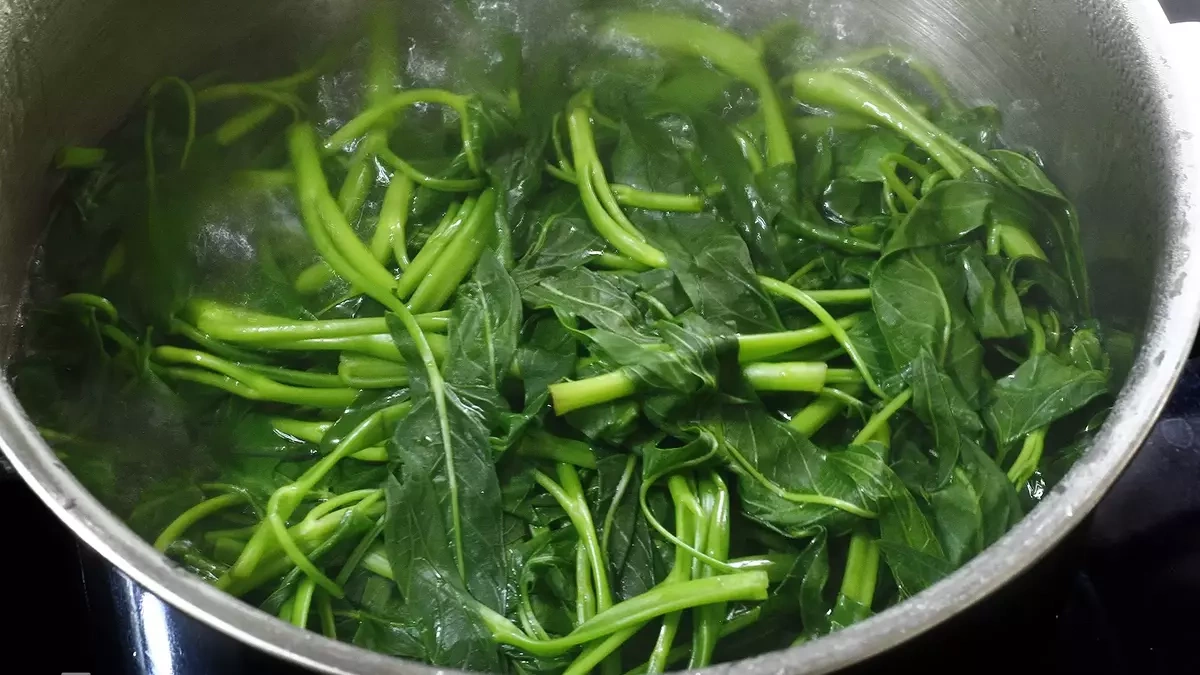
Cooking food for just the right amount of time helps preserve vitamins and minerals. Image: Bui Thuy
Eliminate a food group
Many people completely cut out starches or foods of animal origin to lose weight or follow certain diets. For example, completely cutting out milk and dairy products causes calcium and vitamin D levels to decrease. Limiting meat, fish, and eggs to excess also increases the risk of vitamin B12, iron, or zinc deficiency without suitable alternative sources.
Some vitamins such as A, D, E and K are fat-soluble. If the meal is too low in fat, the body will have difficulty absorbing these vitamins effectively. Healthy fats are found in avocados, nuts, olive oil, fatty fish, and chia seeds.
Cooking food too thoroughly
Vitamin C, group B is quite sensitive to high temperatures. Boiling vegetables for too long, reheating many times or frying at high temperatures can easily cause significant loss of micronutrients in food. To retain more nutrients, you should prioritize steaming, quickly stir-frying or boiling with a sufficient amount of water for a short time, according to Times of India.
Drink tea or coffee immediately after meals
Tea and coffee contain compounds that can reduce iron absorption, especially iron from plants. The habit of drinking right after meals makes it difficult for people at risk of iron deficiency to supplement enough of this micronutrient. You should use the drink about 1-2 hours after meals so that your body can absorb nutrients effectively.
Skip meals frequently
Skipping meals or prolonging the fasting period without providing enough nutrition at the remaining meals can cause the total amount of vitamins and minerals in the body to decrease. Each person should maintain a regular diet with three main meals and reasonable snacks to get enough nutrients.