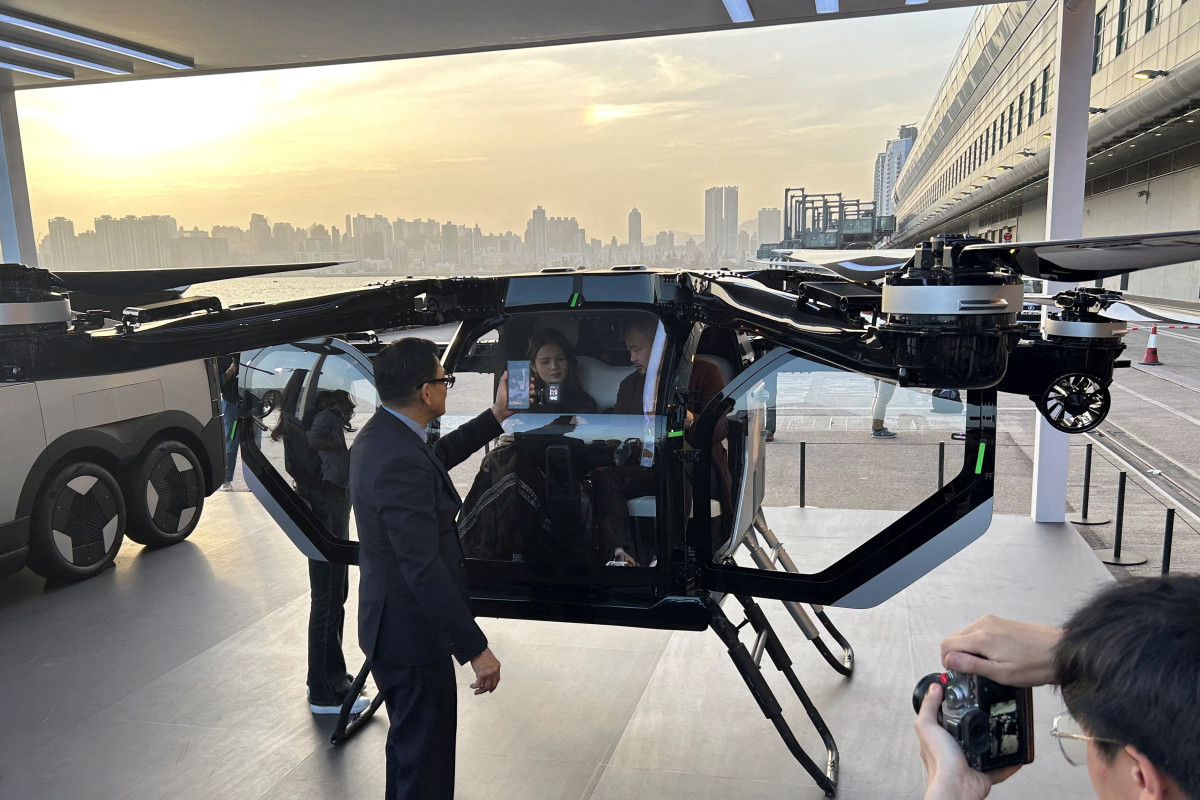
The company has already received over 7,000 orders for the flying car, most of them in China, where it is working to obtain approvals from the aviation authorities. At the same time, Xpeng will start this year testing driverless taxis (robotaxis) in the city of Guangzhou, with the aim of producing thousands of such units in the next year and a half.
On the business level, the company is tightening its cooperation with the German Volkswagen, which has already started producing the first electric model developed together with the Chinese. Go noted that the company is open to additional partnerships with car manufacturers in the world to become a significant global player.
Today, Xpeng operates in about 60 countries outside of China, and its revenues from the international market are about 15%. The company’s ambition is that within a decade, more than half of its revenue will come from sales outside of China, with the robotics sector expected to overtake the automotive sector in terms of profitability.
The company conducted the first successful test of its kind in an urban environment on a closed public street, when the vehicle demonstrated the ability to drive normally on the road and look vertical. In the video documenting the experiment, the car is seen traveling several meters, taking off vertically, hovering over another vehicle, landing and continuing its journey.
Most of the flying taxis under development look like a futuristic helicopter and can usually carry about five people. One such has been developed in Israel for several years and is attracting interest around the world. However, experts maintain that there are many more obstacles to overcome, such as infrastructure and safety.
https://pusulaloca.com
https://terabytelabs.net/securing-your-digital-footprint-how-to-prevent-unauthorized-changes-to-your-brands-mapping-apis/