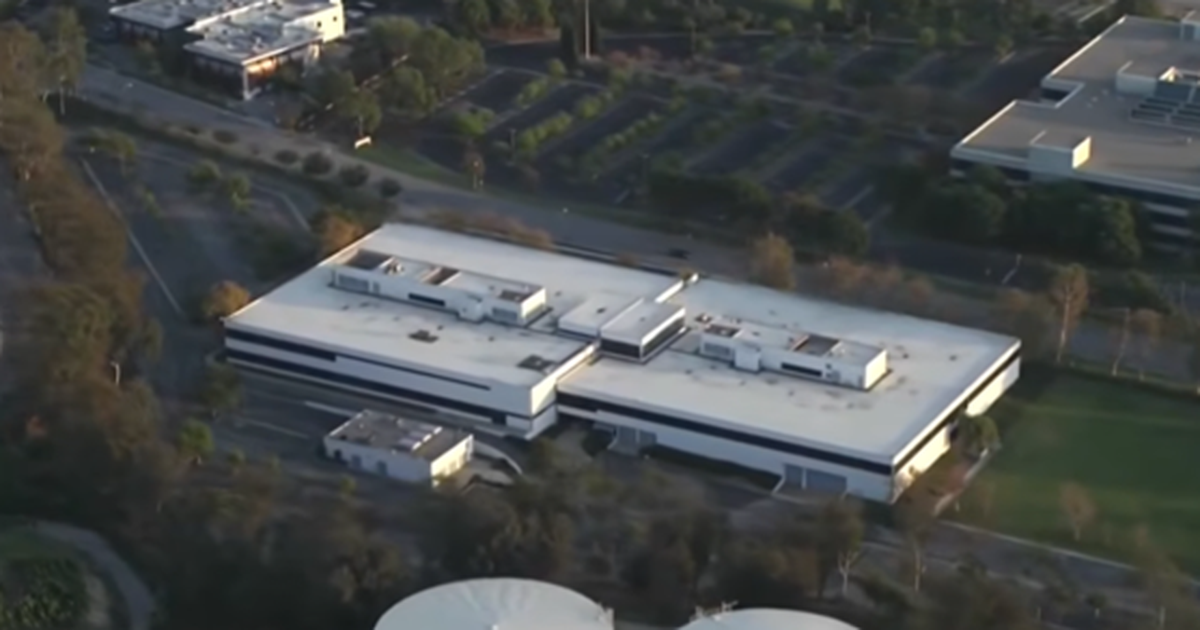
Monterey Park, buildć seven miles east of Los Angeles, it went down in history as the first place in the USA where citizens permanently banned the construction of data centers in a referendum. The NDC measure passed with more than 86 percent of the vote, leaving hardly any room for doubt as to how residents view the AI industry as a neighbor.
It all started in January when an Australian investment company proposed the construction of a data center of about 23,000 square meters on Saturn Street. Hundreds of residents arrived at the city council meeting that evening, the discussion lasted until after midnight, and “No Data Center” signs in English and Chinese soon appeared around the neighborhood – because Monterey Park is predominantly an Asian-American community and one of the largest centers of the Chinese diaspora in Los Angeles.
Why so much opposition?
Arguments against data centers are nothing new – the same issues are being repeated in communities across the US. Data centers are enormous consumers of electricity, and the costs are often passed on to households through electricity bills. They consume huge amounts of water for cooling. They generate constant noise. And, what excites local residents the most – they bring a few quality jobs in exchange for all of the above.
The largest, the so-called hyperscale data centers consume between 10 and 50 times more electricity per square meter than typical office space, and estimates say that data center consumption in the US could grow to 12 percent of the country’s total electricity consumption by 2028.
It spreads the signal to the industry
The case of Monterey Park is not isolated – cities, counties and federal states across the US are introducing moratoriums and bans, but Monterey Park was the first to make it permanent, by direct vote of citizens. California Senator Sasha Renée Pérez introduced a legislative proposal in the interim that would ban diesel generators in data centers statewide, prevent the shifting of electricity costs to citizens, and oblige tech companies to use local labor.
For Silicon Valley, which is growingć expanding for decades without much resistance, Monterey Park could be a sign that communities’ patience has limits.
https://archive.org/details/@dajiya3510
https://magic.ly/velsit/La-evolucion-de-las-plataformas-digitales-de-ocio-en-el-mercado-espanol
https://archive.org/details/@fevik60546
https://magic.ly/velsit/Nuevas-propuestas-en-el-ecosistema-de-entretenimiento-digital-espanol
https://archive.org/details/@resego7198
https://mewe.com/post/show/69f865156509f8197a2055de
https://magic.ly/velsit/El-desafio-de-la-diferenciacion-en-el-mercado-espanol-de-entretenimiento-digital
https://share.evernote.com/note/cc4b3653-1c9b-3bed-0366-503811f7259d
https://mewe.com/post/show/69f8655b254410183435a164
https://penzu.com/p/9e680621d2df8dd1
https://www.posersoftware.com/users/gelopak427
https://www.notebook.ai/users/1356866
https://onlinesequencer.net/members/271940
https://www.notebook.ai/users/1352033
https://nortabs.net/user/15365/
https://www.challengermode.com/users/5b30e9ef-0c5d-4e80-ac7e-6a2553de3782
https://www.jigsawplanet.com/allenvalesw
https://peatix.com/user/29541029/view
https://www.notebook.ai/users/1352044
https://www.doccheck.com/en/profile/users/1482964-rivovaf-lohinja
https://edabit.com/user/WHAYCHTWjTPWbz8f2
https://leetcode.com/u/rivovaf242/
https://edabit.com/user/hwxRPtTvse2DAzZD2
https://www.posersoftware.com/users/rivovaf242
https://www.reverbnation.com/artist/rivovaf